There is a place, in the heart of Salento, where history is not something to be observed from a distance, but a presence you encounter as you walk. This is Muro Leccese, a town made of stories, places, and people, where every street seems to preserve a trace and every stone tells of a passage.
To truly know Muro Leccese, you must wander through it slowly. Let yourself be guided by its streets, step into its squares, cross the thresholds of its palaces and churches, and follow the paths that lead from the heart of the town out into the countryside. Here, time has not erased the past; it has built, layer after layer, a fabric where the different cities that have inhabited this land coexist.
ViviMuro was created to accompany you into this fabric. To help you discover the places, follow the trails, learn the stories, and encounter the experiences that make Muro Leccese a town to be explored with curiosity. A guide to help you find your way, but above all, an invitation to look more slowly.
In Muro Leccese, first of all, there is the Messapian city, one of the most important in ancient Messapia, whose Archaeological Park still preserves the grand walls and the memory of a settlement that, more than two thousand years ago, already looked towards the Mediterranean. Then there are the small rural hamlets and the countryside, whose communities converged into the fortified land of Borgo Terra between the late 15th and early 16th centuries. A place created to protect and organize life, with regular streets, walls, and a moat, which even today conveys the image of a small city within a city.
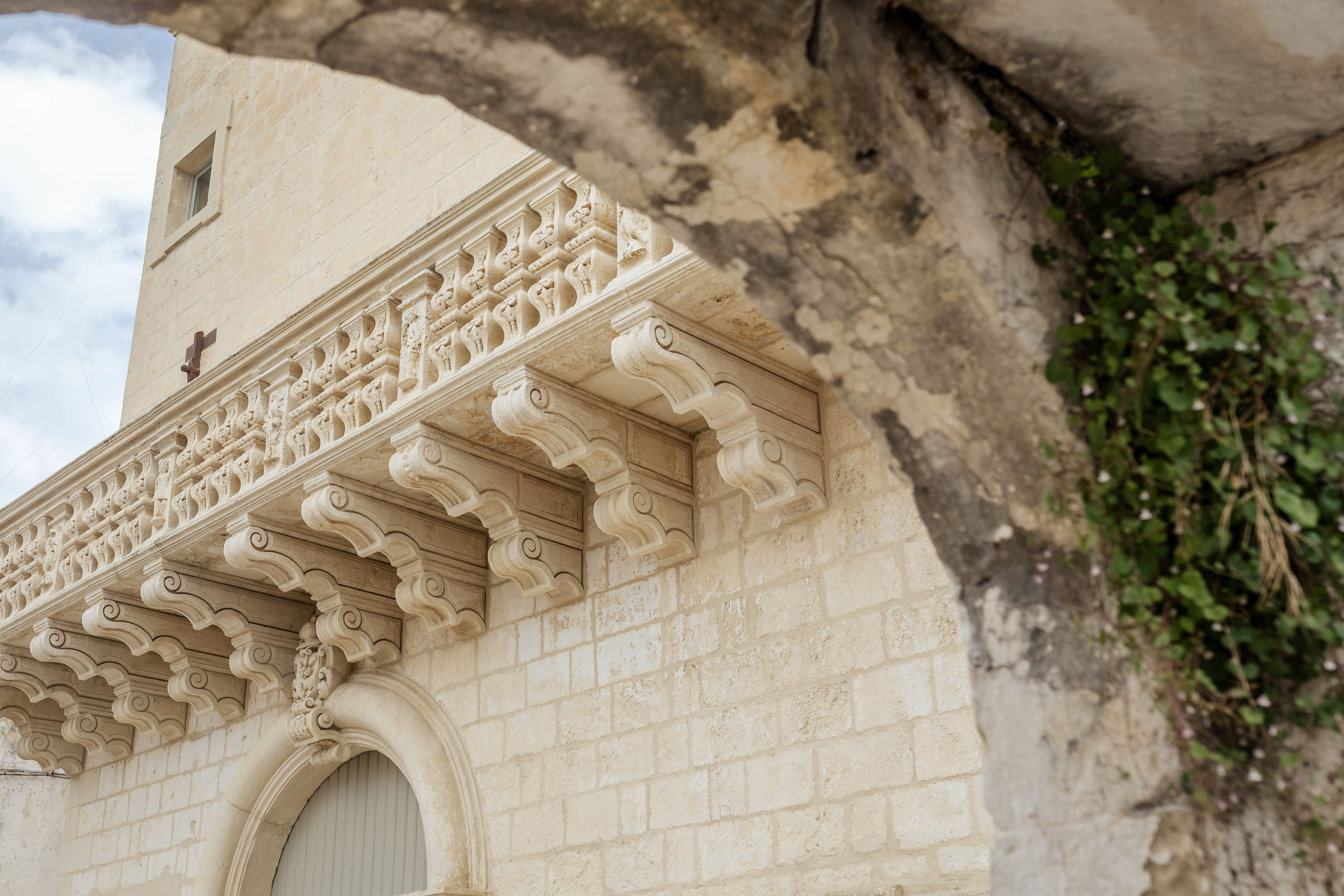
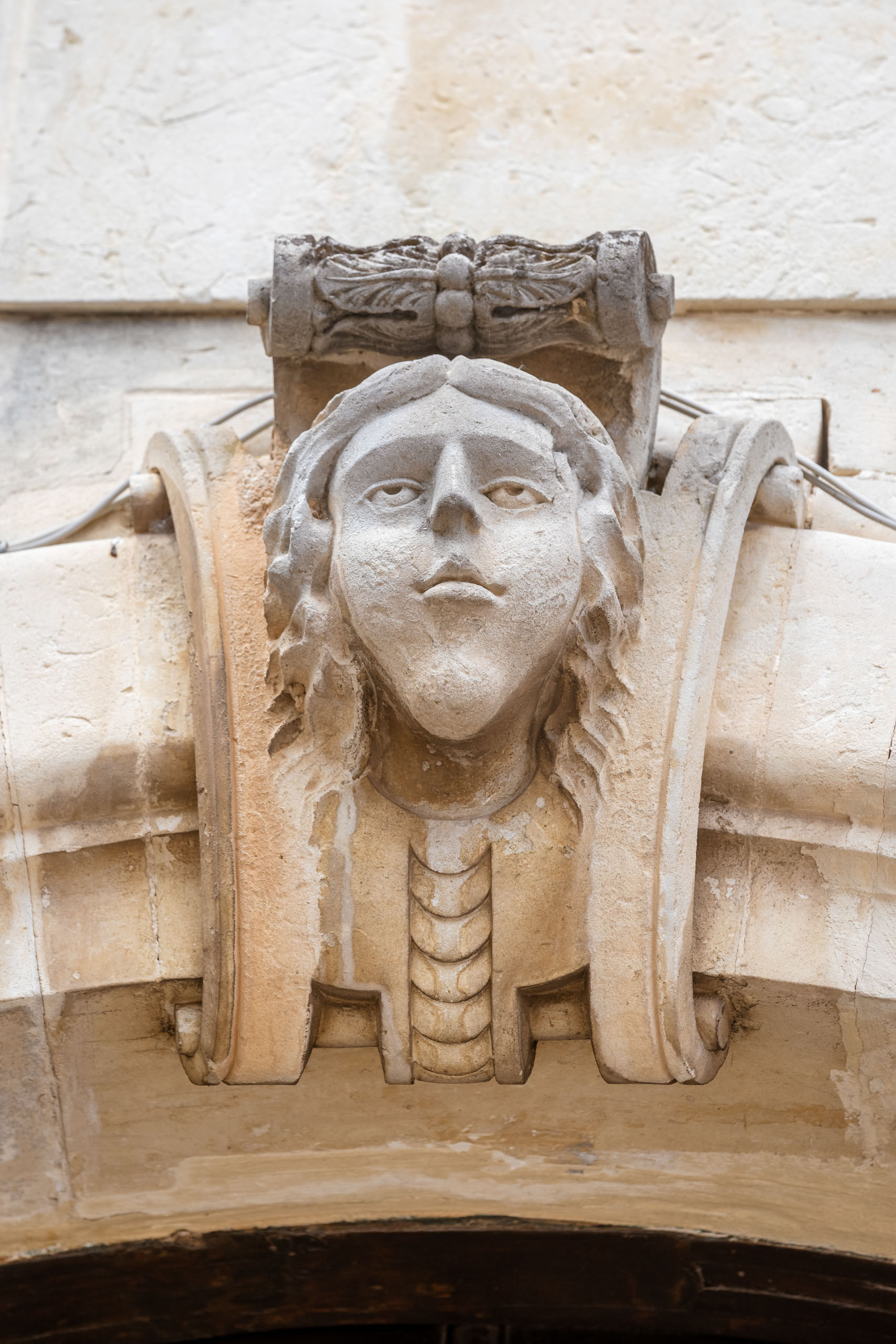
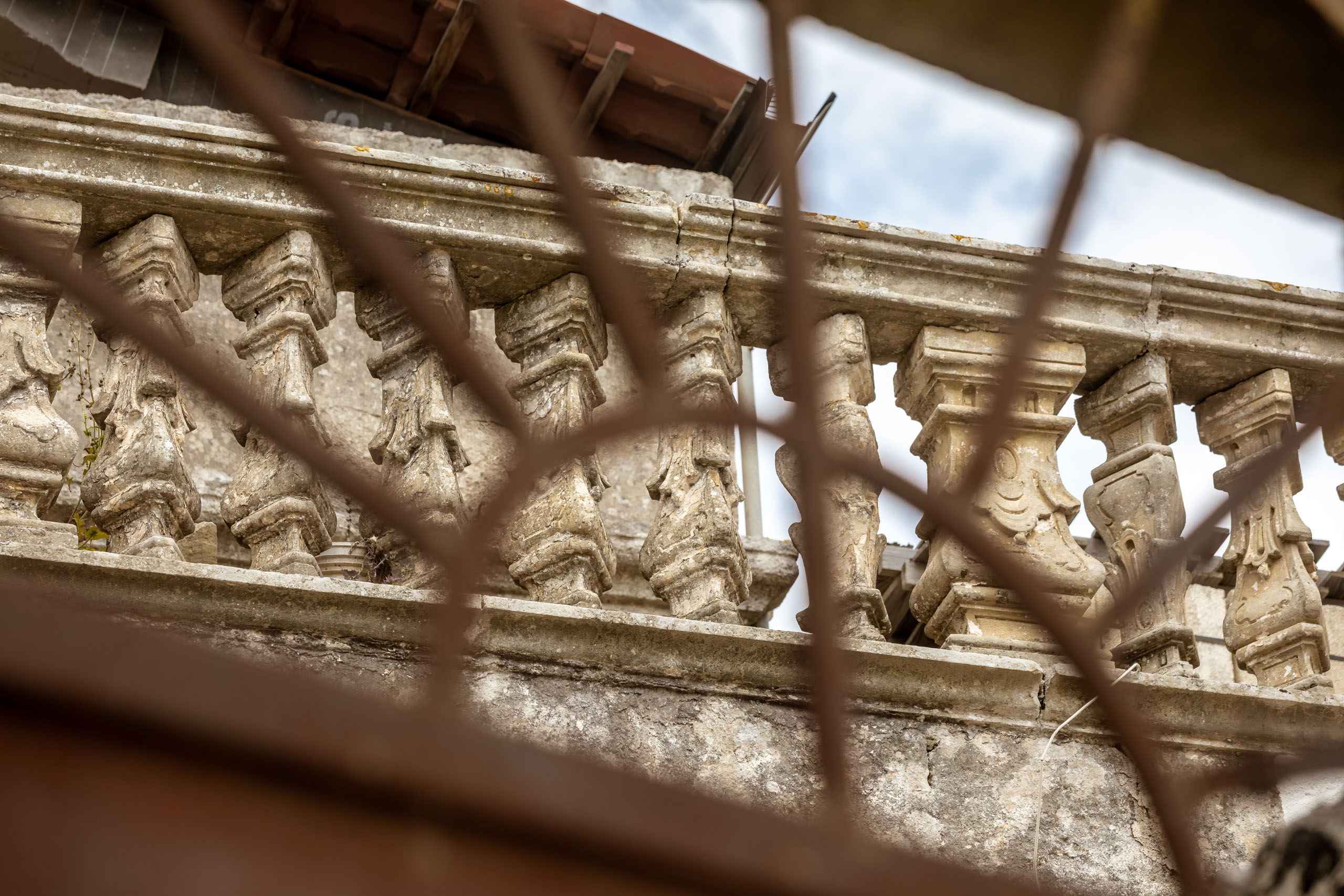
Then the town changes. The walls lose their defensive function, the village opens up, and the city grows beyond its ancient boundaries. Piazza del Popolo becomes the new center of public life, the grand space for encounters, festivals, and celebrations. Along Via Salentina, a new direction unfolds: Muro Leccese looks beyond its walls and builds its relationship with the surrounding area. The noble palaces, churches, convents, and Lecce stone architecture thus narrate the transition from a fortified village to a Baroque city.
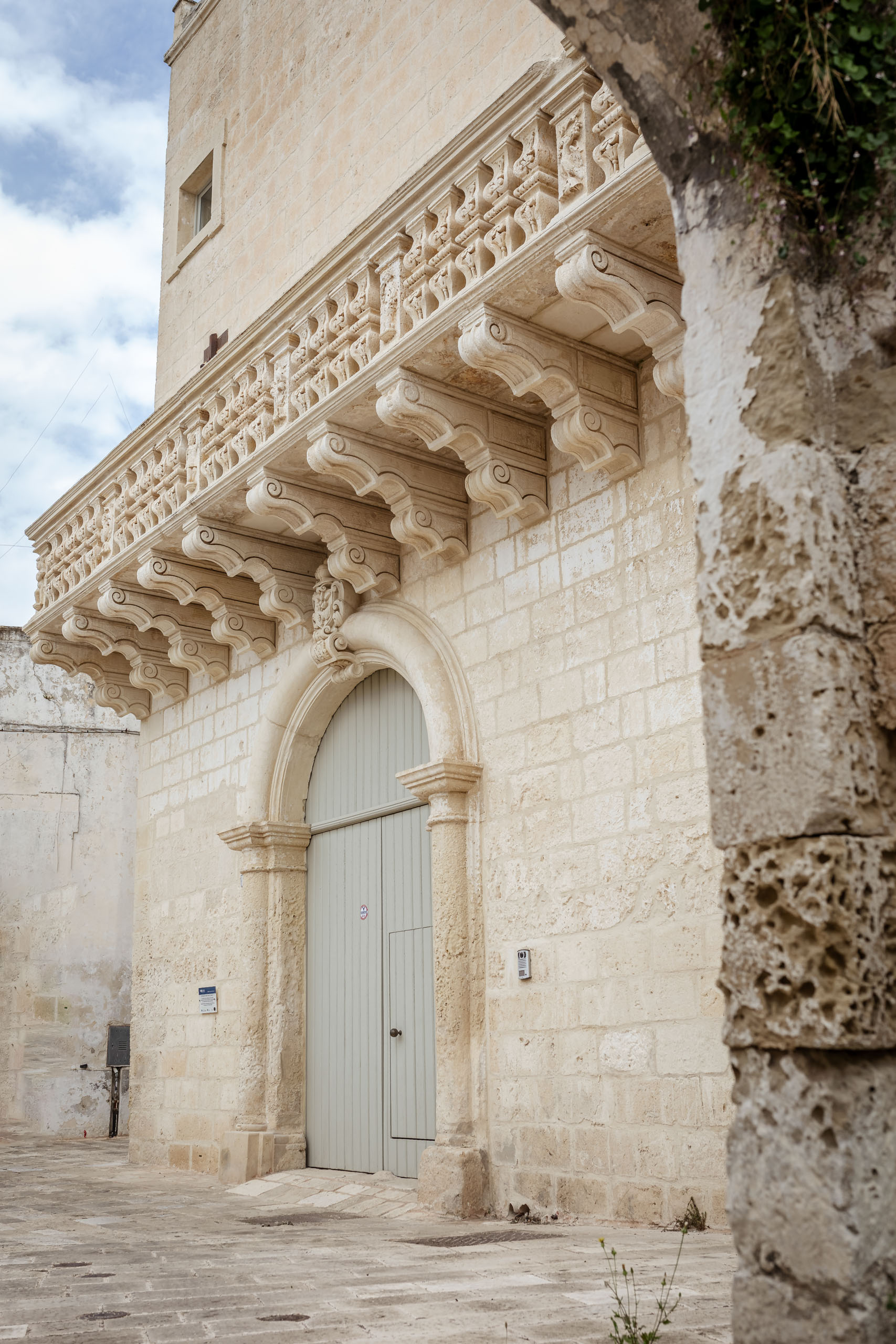
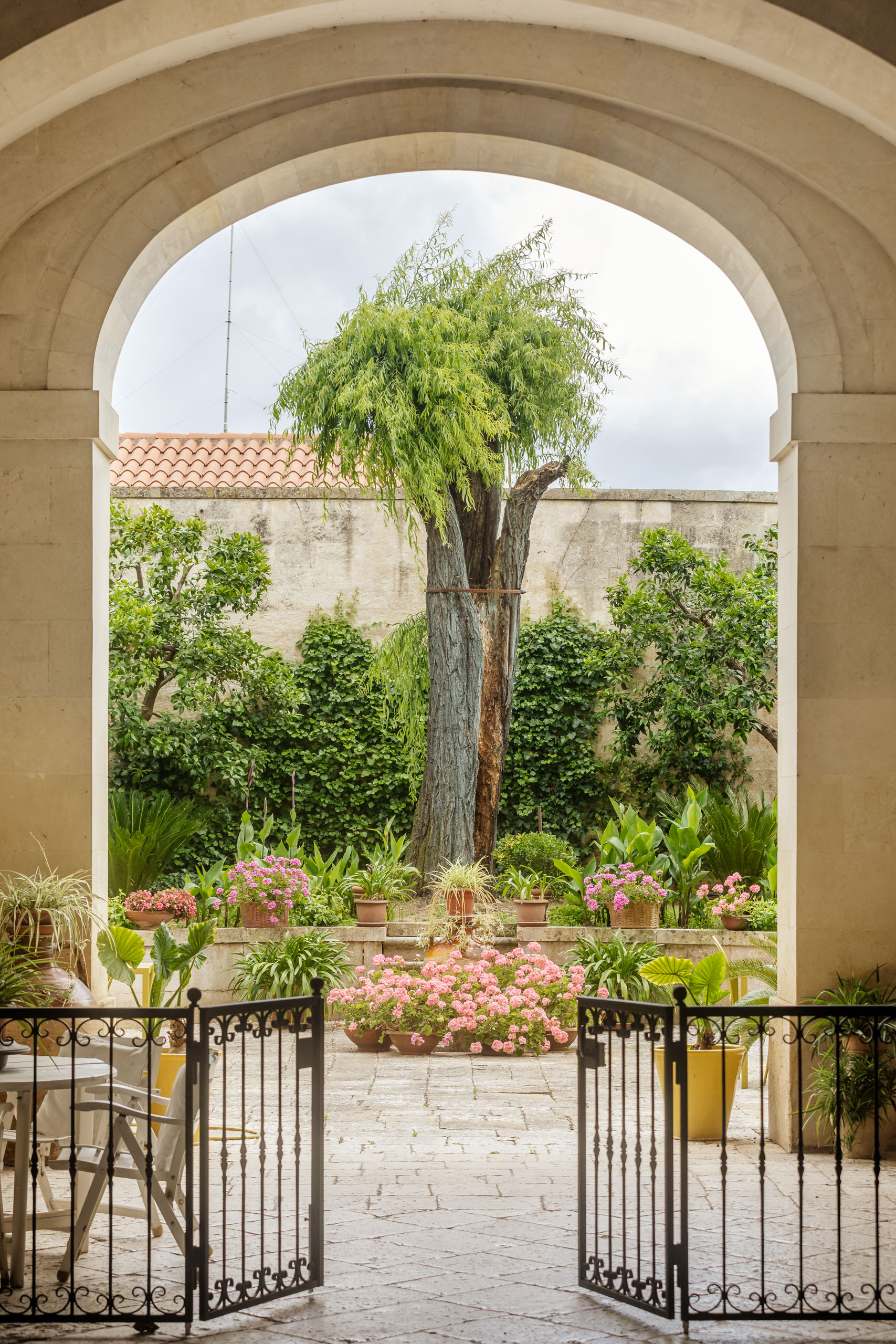
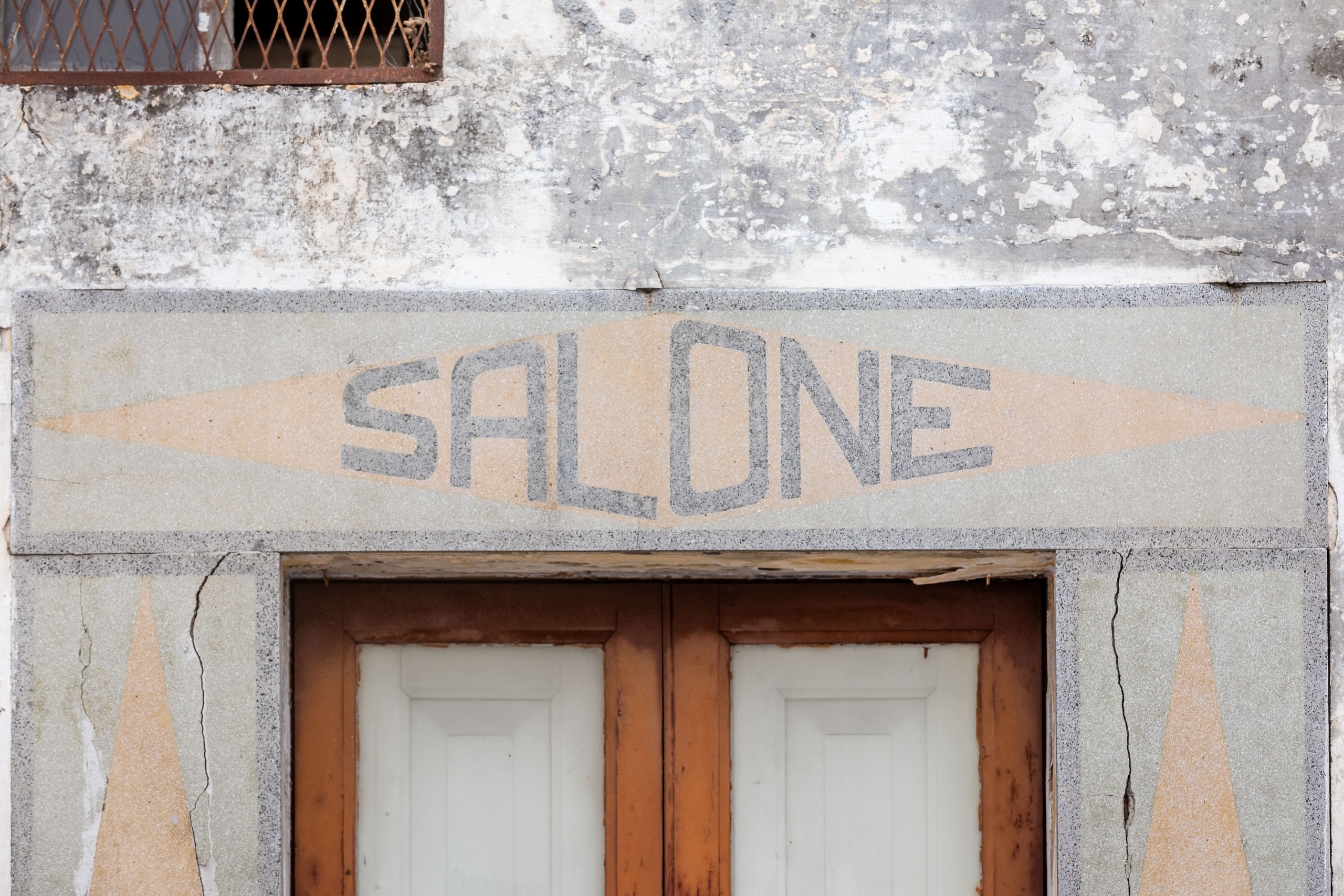
But Muro Leccese is not just the sum of its monuments. It is a dialogue between architecture and daily life, between memory and the present. It is the silence of an alleyway, a façade that changes color with the light, a hidden courtyard, the mark left by time on a stone. It is history resurfacing from underground—in the oil mills, the silos, the walls, and the archaeological finds—transforming once again into a living narrative.
It is also a town to be experienced through different routes. You can start from its origins and follow the land of the Messapi; cross Borgo Terra and read, step by step, the history of the community; follow the Via Salentina and discover how the town learned to open up to the world; or enter the churches and places of spirituality. Each itinerary is a different way of piecing together the same story.
And then there is the Mediterranean. From Muro Leccese, the sea never feels far away. You can feel it in the light, the winds, the landscapes, and the roads that cross Salento. It is a presence that belongs to the town's history just as much as its walls and its stones.