Via Salentina
Historic road axis with noble palaces
Renaissance / Baroque / Rococo
Expansion from the 16th century onwards; palaces between the 17th and 18th centuries
Main historic road artery connecting Muro Leccese with Maglie and Poggiardo, with origins dating back to the Messapian period. From the sixteenth century onwards, it became the area where the first building expansion outside the walls of Borgo Terra was concentrated.
If Borgo Terra represents the fortified heart of the town, Via Salentina is the place where Muro Leccese began to look beyond its walls, gradually transforming from a defensive settlement into an open, dynamic and vital urban centre. For centuries, this street formed the main connection with Maglie, Poggiardo and the surrounding territory. Merchants, farmers, wayfarers and pilgrims travelled along its route. It was a road of passage, but also a road of opportunity. And it was precisely here that, from the sixteenth century onwards, the first expansion of the town beyond the fortified Terra took place. The ancient walls were no longer enough to contain a growing community, and the town slowly began to stretch outwards, following the natural course of this important artery.
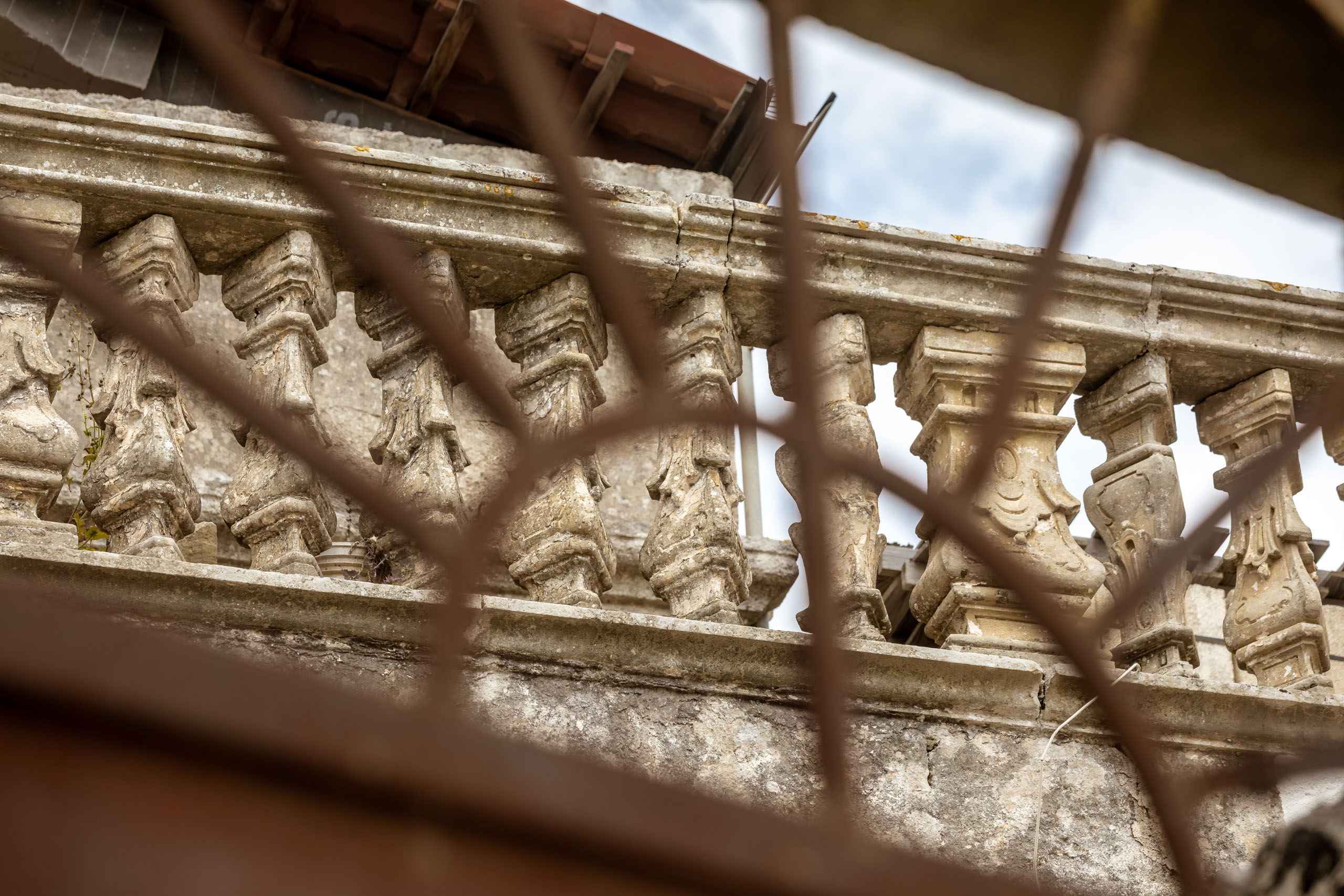
The proximity to the Palazzo del Principe was no coincidence. The ancient feudal residence of the Protonobilissimo family continued to represent the symbolic and political centre of the town’s life, and its prestige helped guide the development of the settlement. The most influential families of Muro Leccese began to build their residences here, often taking the architectural language of the princely palace as a model. Thus an elegant urban axis was born, which between the seventeenth and eighteenth centuries became the most refined face of the expanding town.
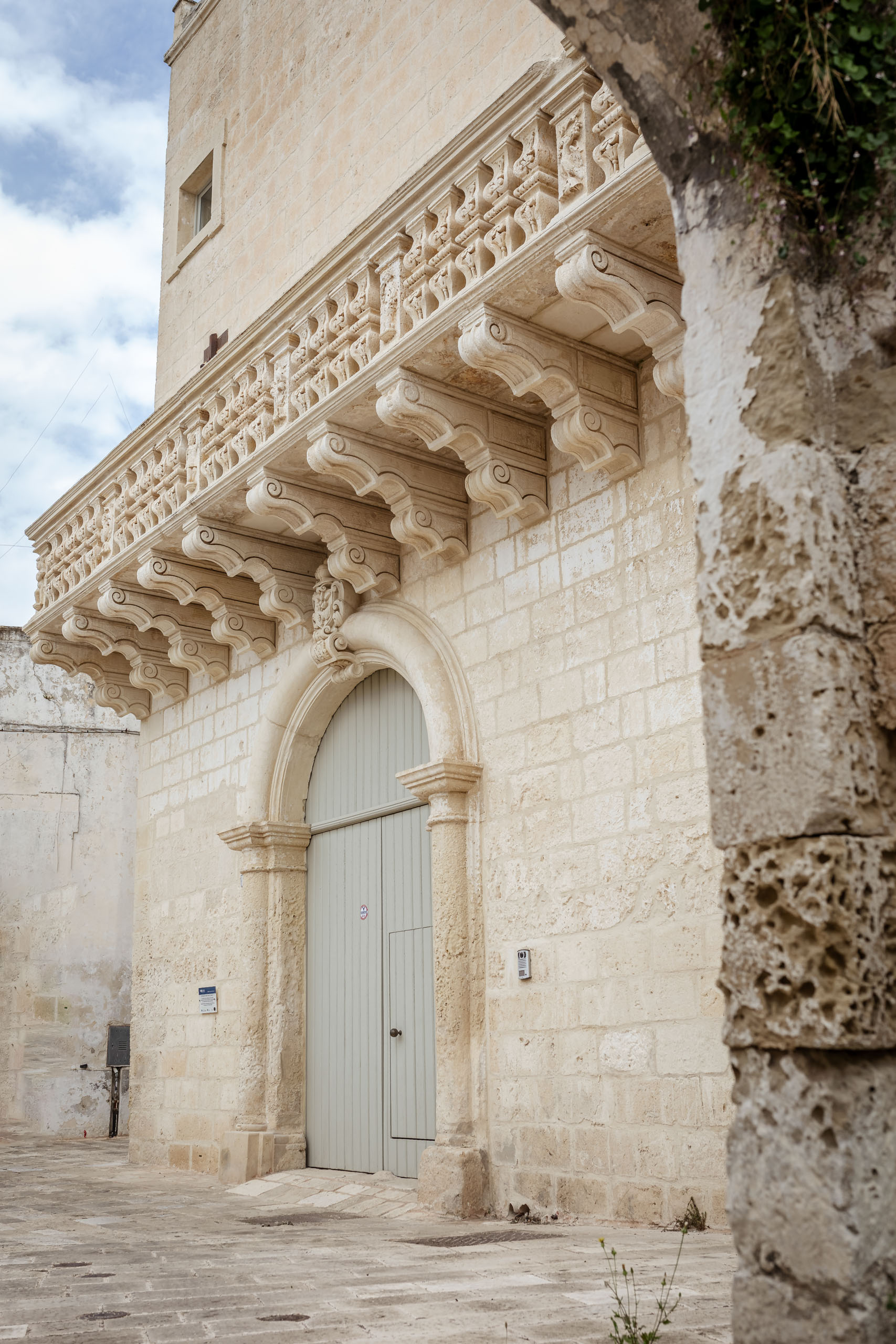
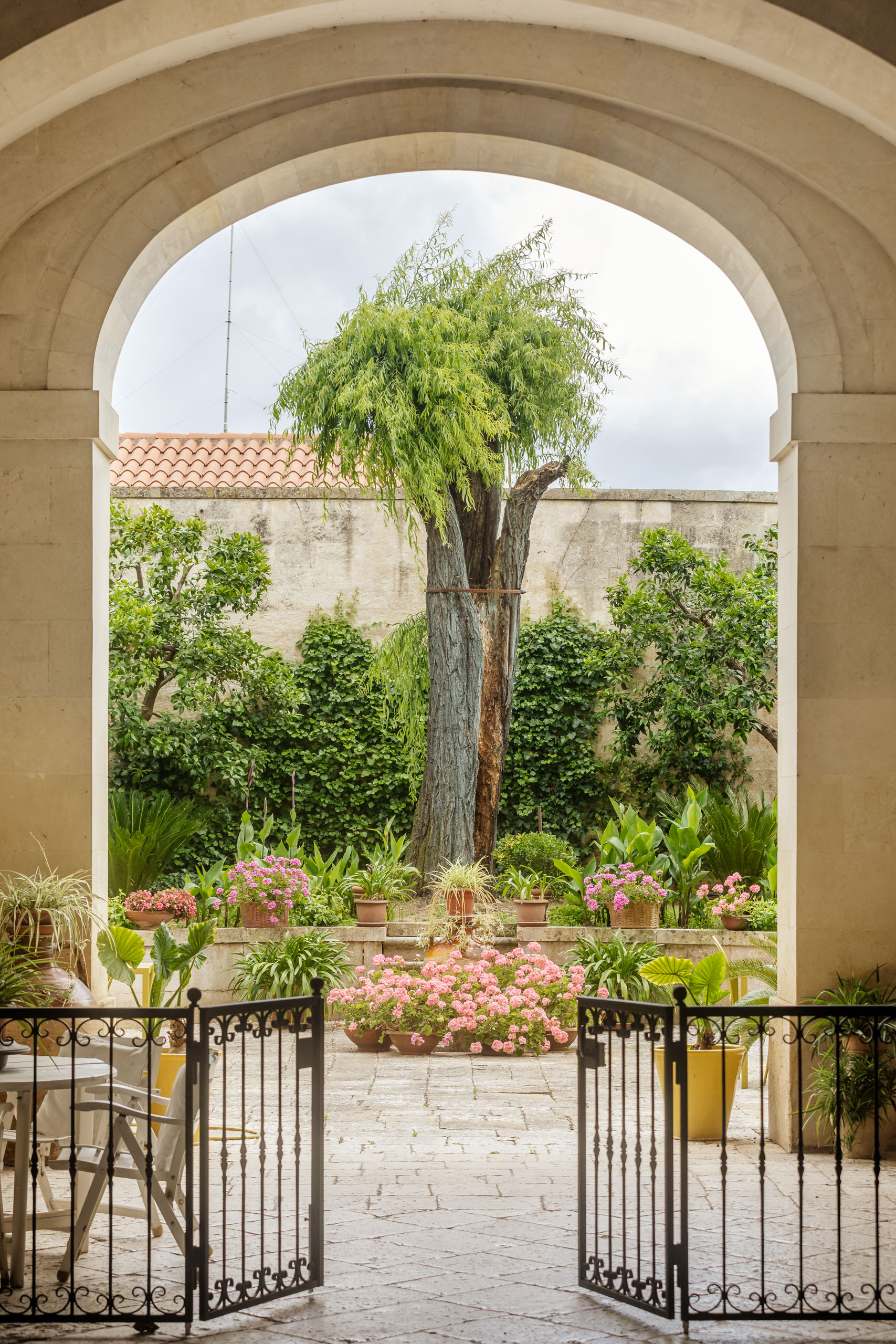
Ecco la traduzione: Walking along Via Salentina today, this vocation can still be felt. The façades in Lecce stone, the balconies, the monumental portals and the sculpted coats of arms tell the story of the families that contributed to the town’s economic and cultural growth. Among the most significant buildings is Palazzo Ferramosca, built between the late seventeenth and early eighteenth centuries, a testimony to the rise of a new local aristocracy that found in architecture a means of social representation. A little further on stood Palazzo Caputo, now lost. Demolished in the 1970s, it continues to live on in urban memory as one of the historic residences that once shaped the character of the street. Palazzo De Bellis, on the other hand, belongs to the early decades of the eighteenth century: an elegant expression of aristocratic architecture that helped define the monumental character of the road.
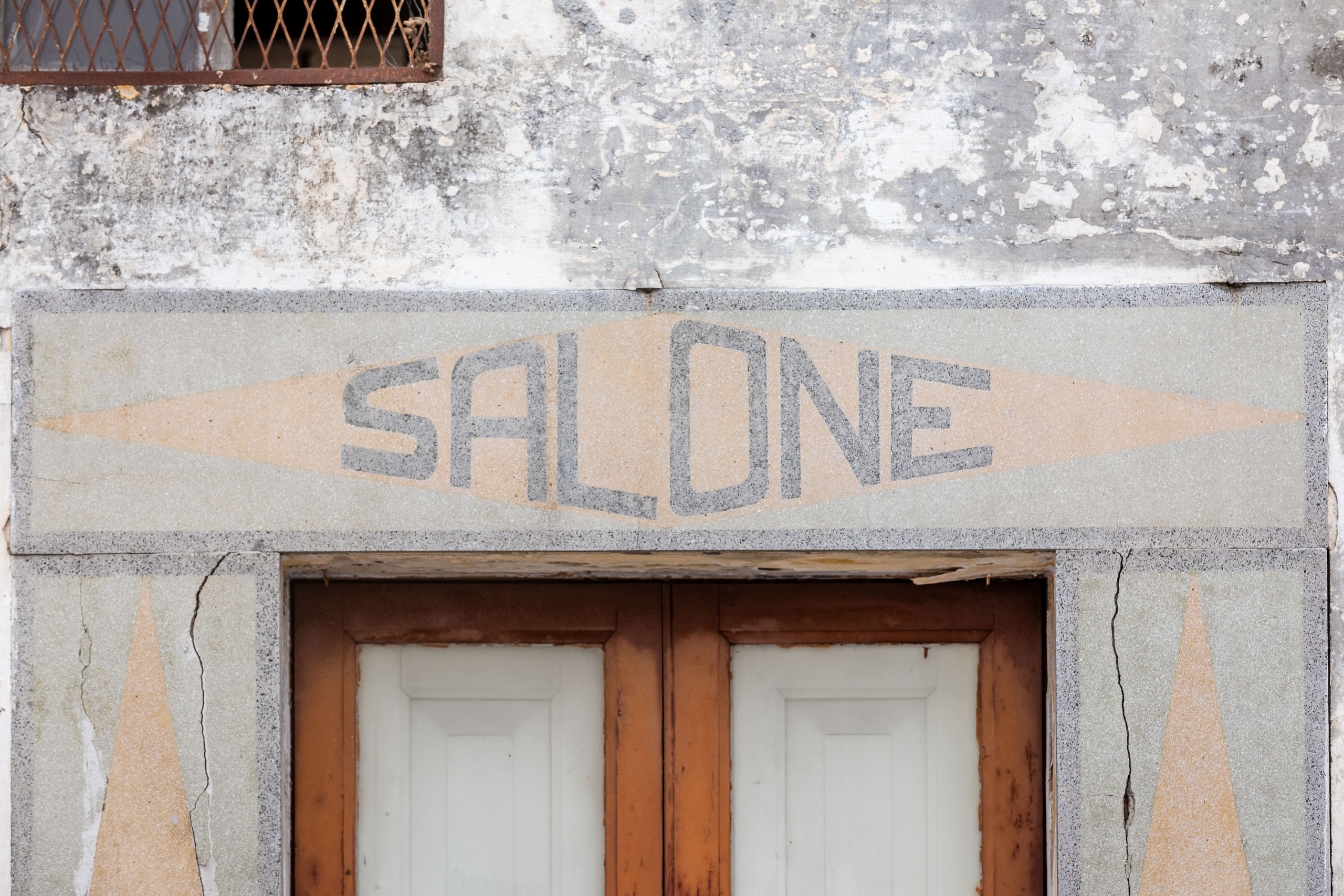
The history of Palazzo Maggiulli-Pustacchi, on the other hand, tells of the ability of buildings to reinvent themselves over time. Originally built as an aristocratic residence, it was enlarged and transformed into a tobacco factory during the twentieth century, accompanying the town’s economic and productive changes. A similar fate befell Palazzo Cesario, later converted into a hospital and eventually demolished in the 1970s to make way for the new Town Hall. This story shows how architecture is never static, but continues to change along with the needs of the community.
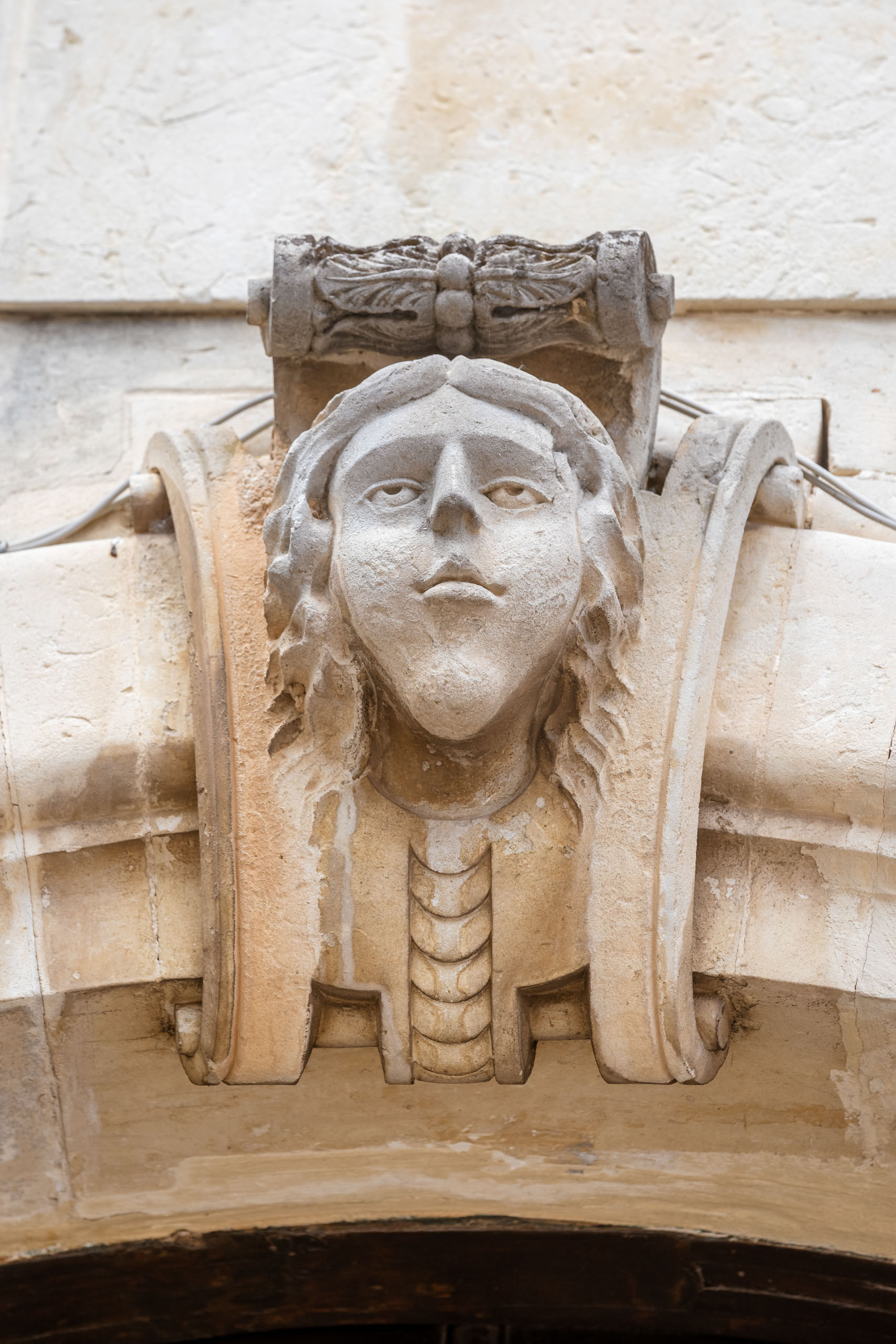
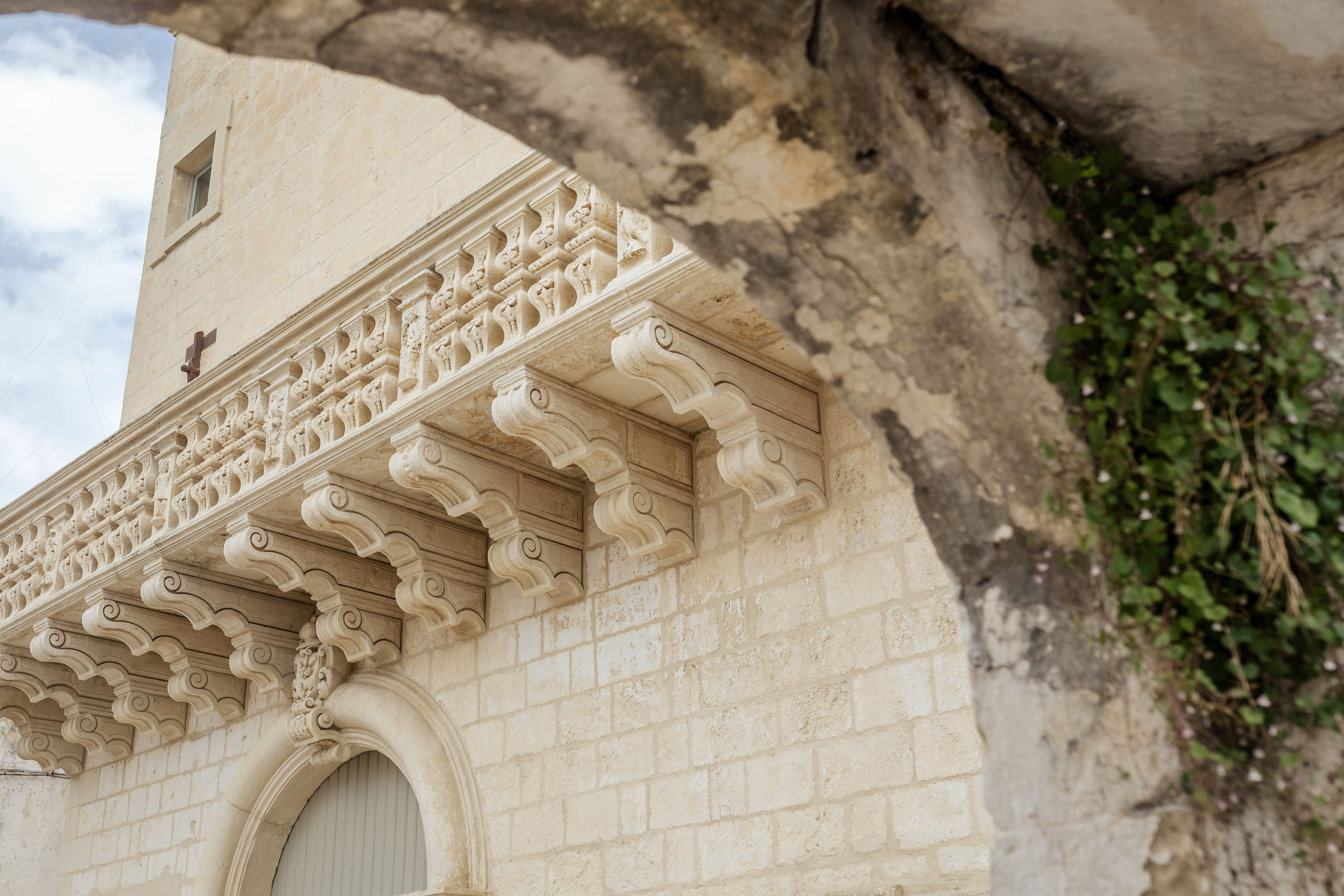
Among the palaces still legible within the urban fabric, Palazzo Negri stands out, recognisable by its family coat of arms depicting a bouquet of flowers and several ears of wheat, symbols that evoke prosperity, rootedness and a bond with the land. Of particular interest is also Palazzo Maggiulli, on which the date 1754 was once visible, now lost following more recent transformations, but still present in the historical memory of the building. Alongside these stand Palazzo Metto, Palazzo Anchora-Papadia and the nearby chapel dedicated to Saint Michael the Archangel, commissioned by Ignazio Papadia. Here, the private dimension of the residence intertwines with that of family devotion, according to a custom widely found in the noble homes of Salento. Particularly significant is also Palazzo Maggiulli-Alfieri, which preserves precious eighteenth-century rooms that survived the nineteenth-century reconstructions. Connected to it is the chapel of the Madonna delle Grazie, built at the request of Andrea Maggiulli at the end of the eighteenth century and still today a testimony to the deep relationship between architecture, spirituality and social prestige.
But Via Salentina does not tell only the story of the great families. Alongside the noble palaces, traces survive of a more discreet town, made up of artisans, farmers and small landowners. The Casa dei Milanese bears witness to this, together with the many courtyard houses scattered along the street. Here, rusticated portals lead into intimate, domestic spaces, organised around shared courtyards that for centuries represented the heart of everyday life. Places such as Corte Fiore, the courtyards of Via Isonzo and Corte Spano still convey the authentic atmosphere of a community built on closeness, relationships and a sense of belonging.
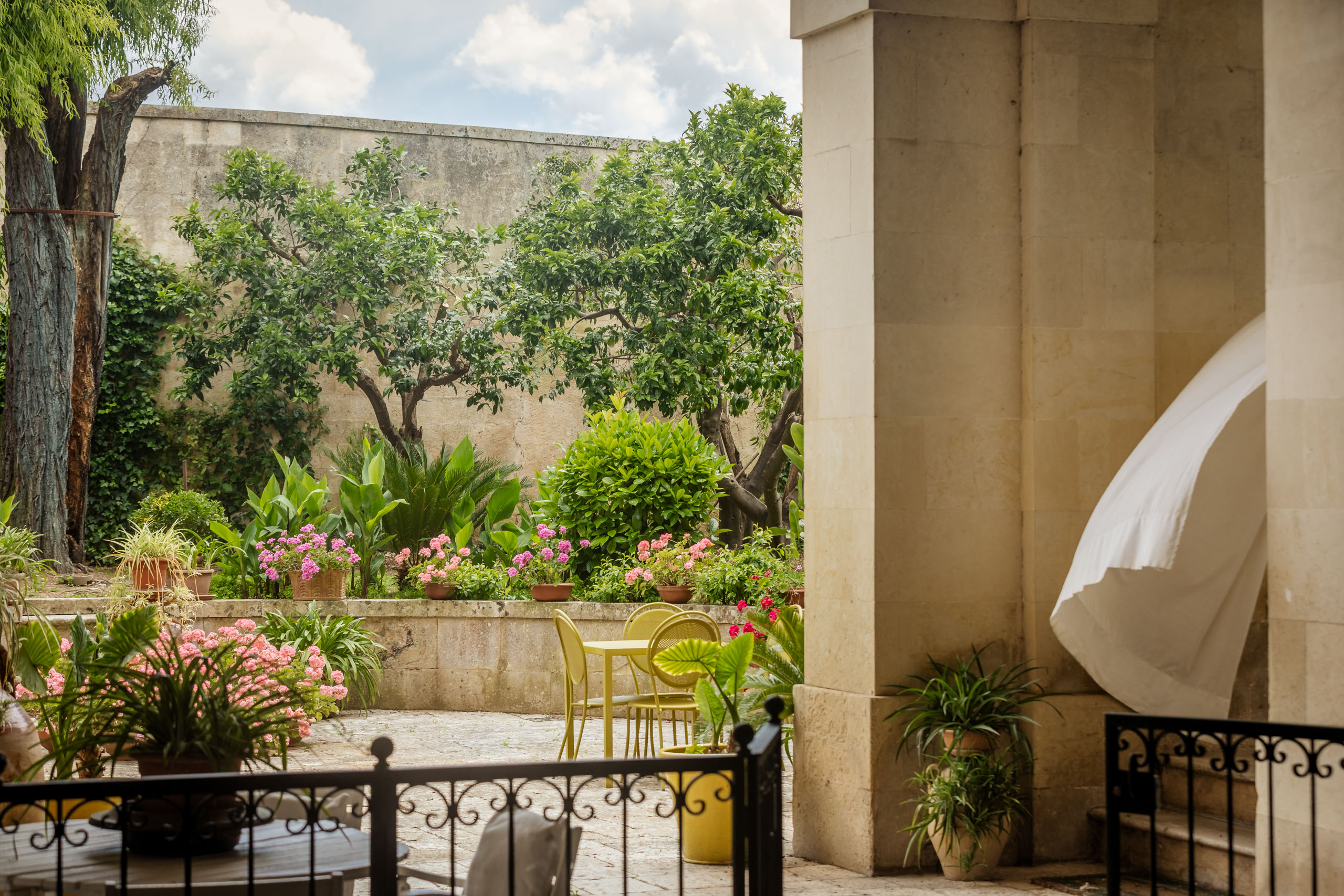
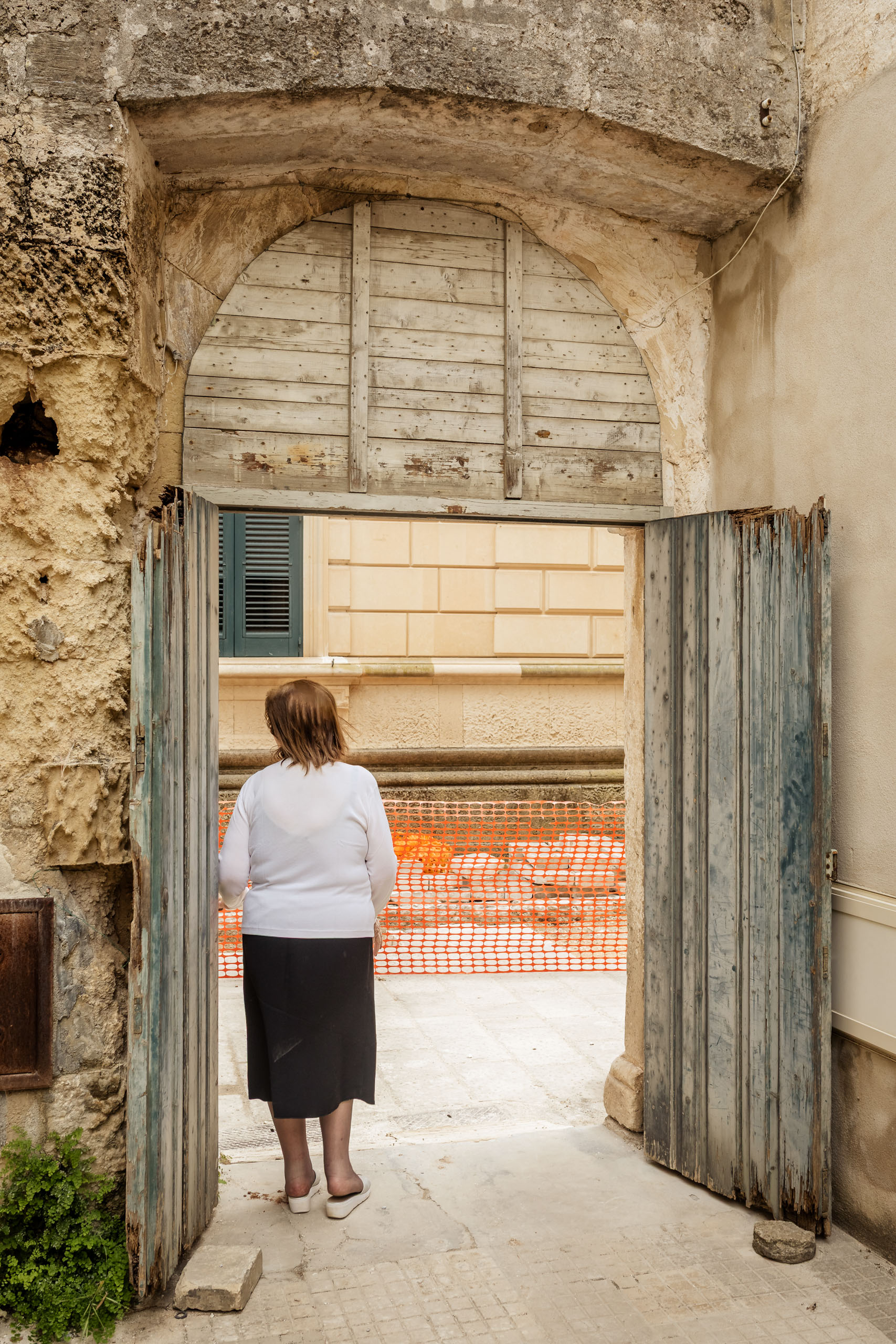
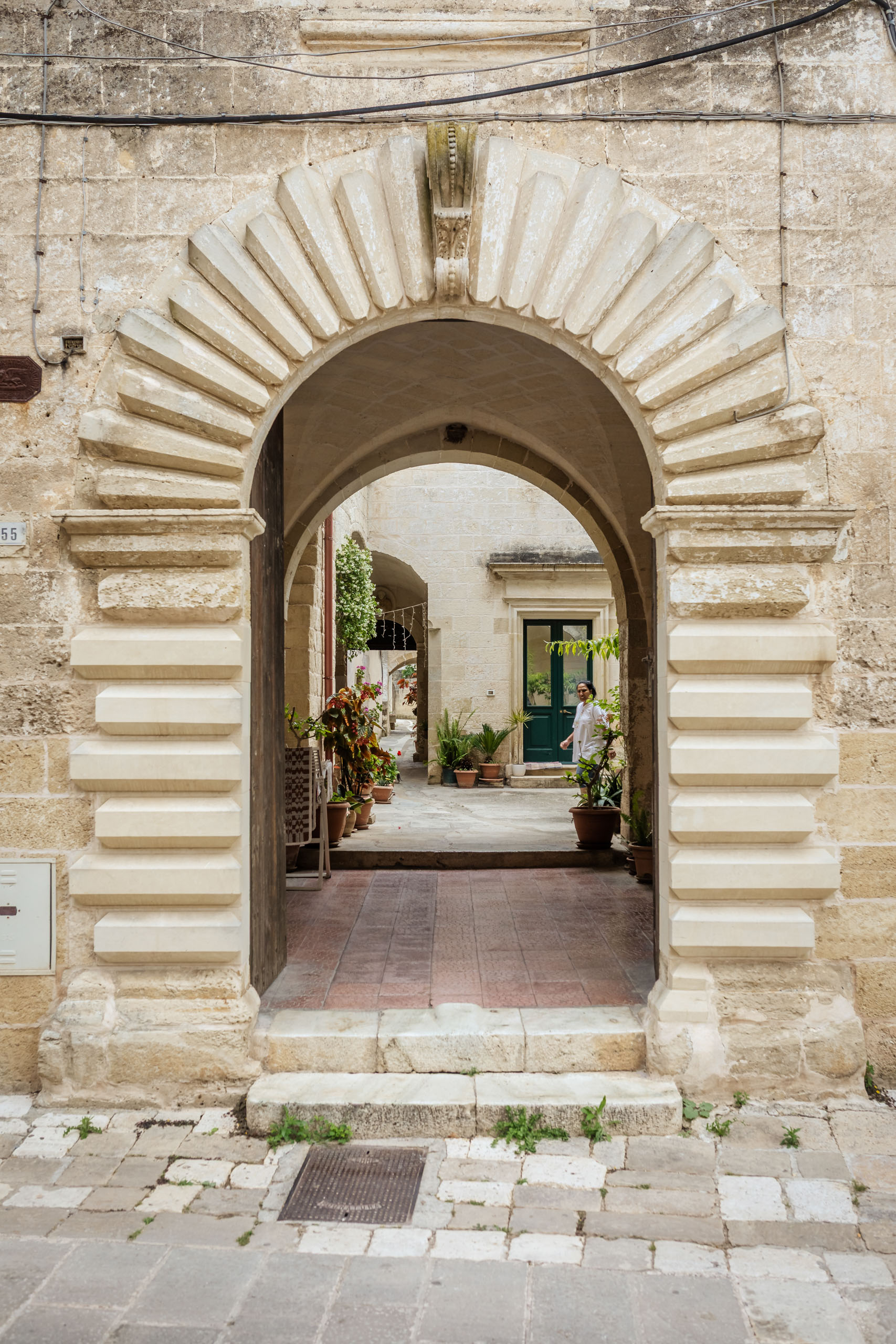
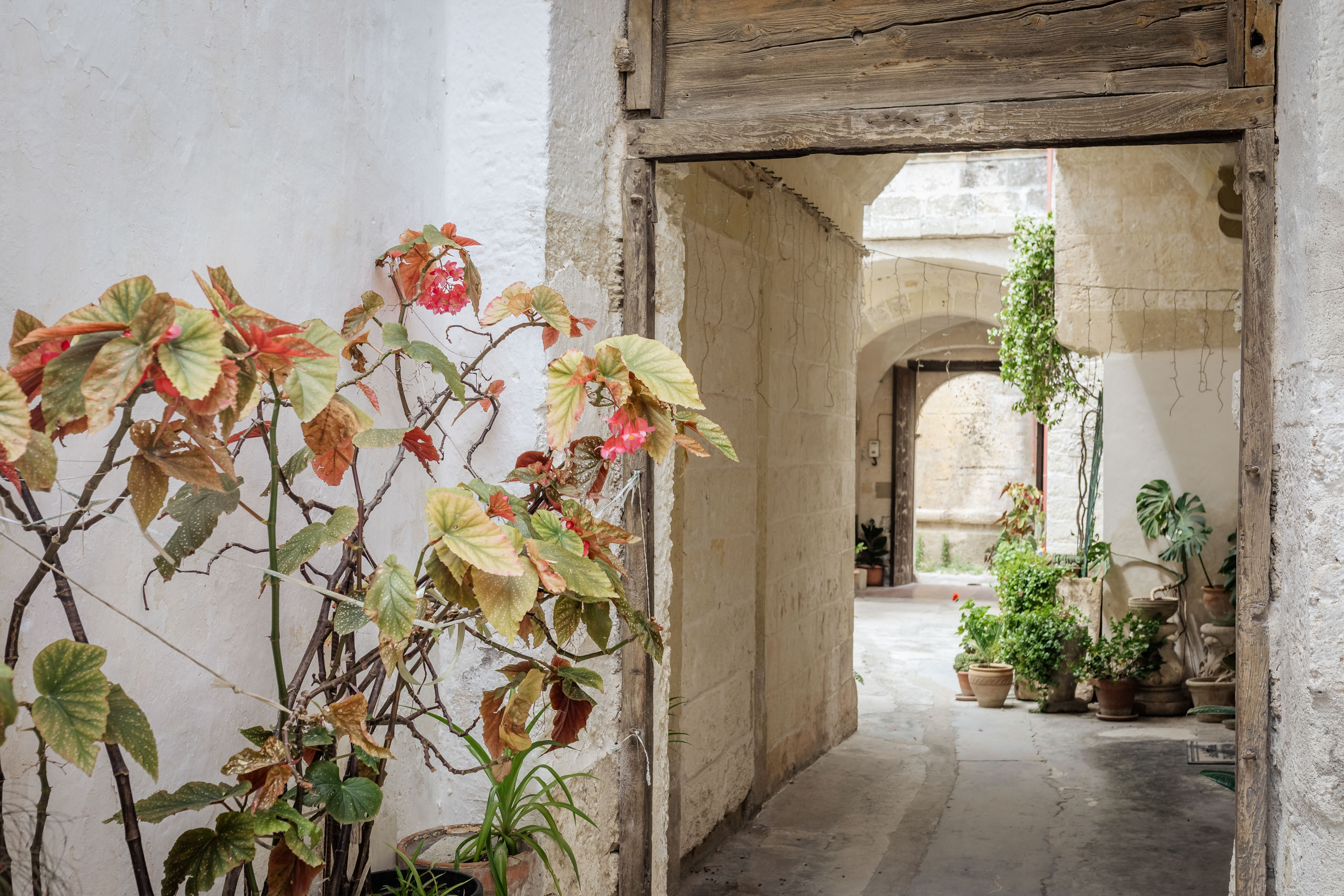
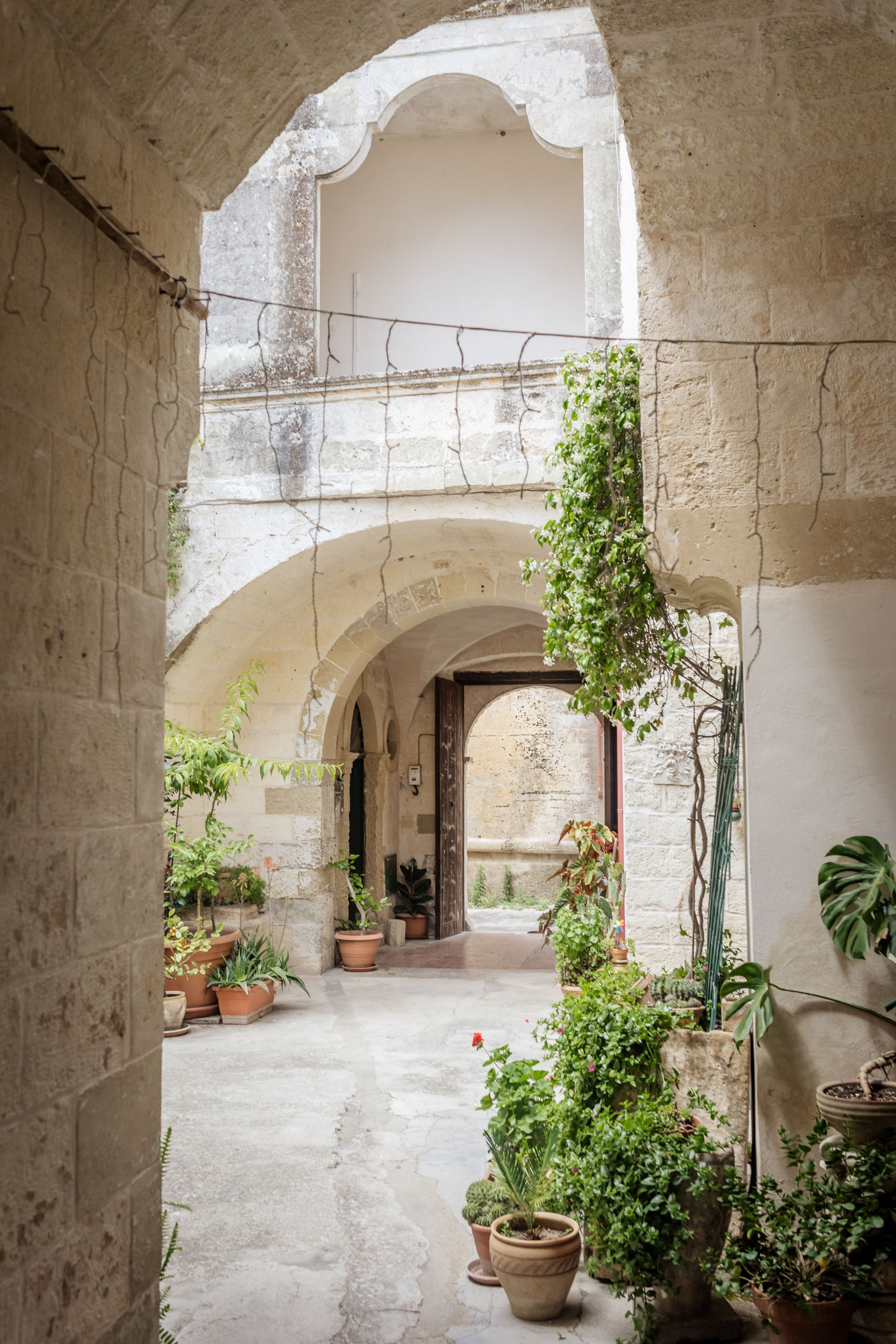
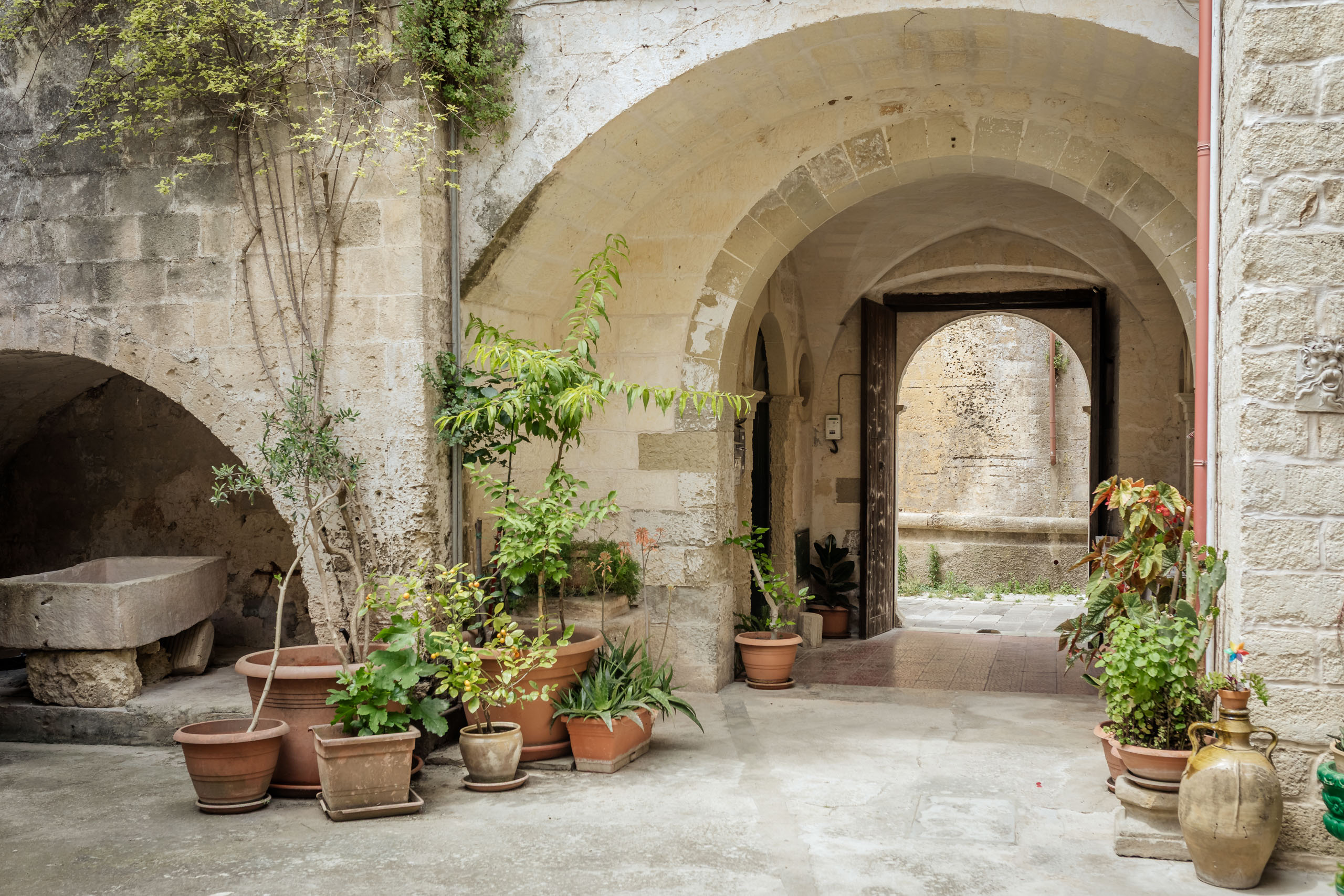
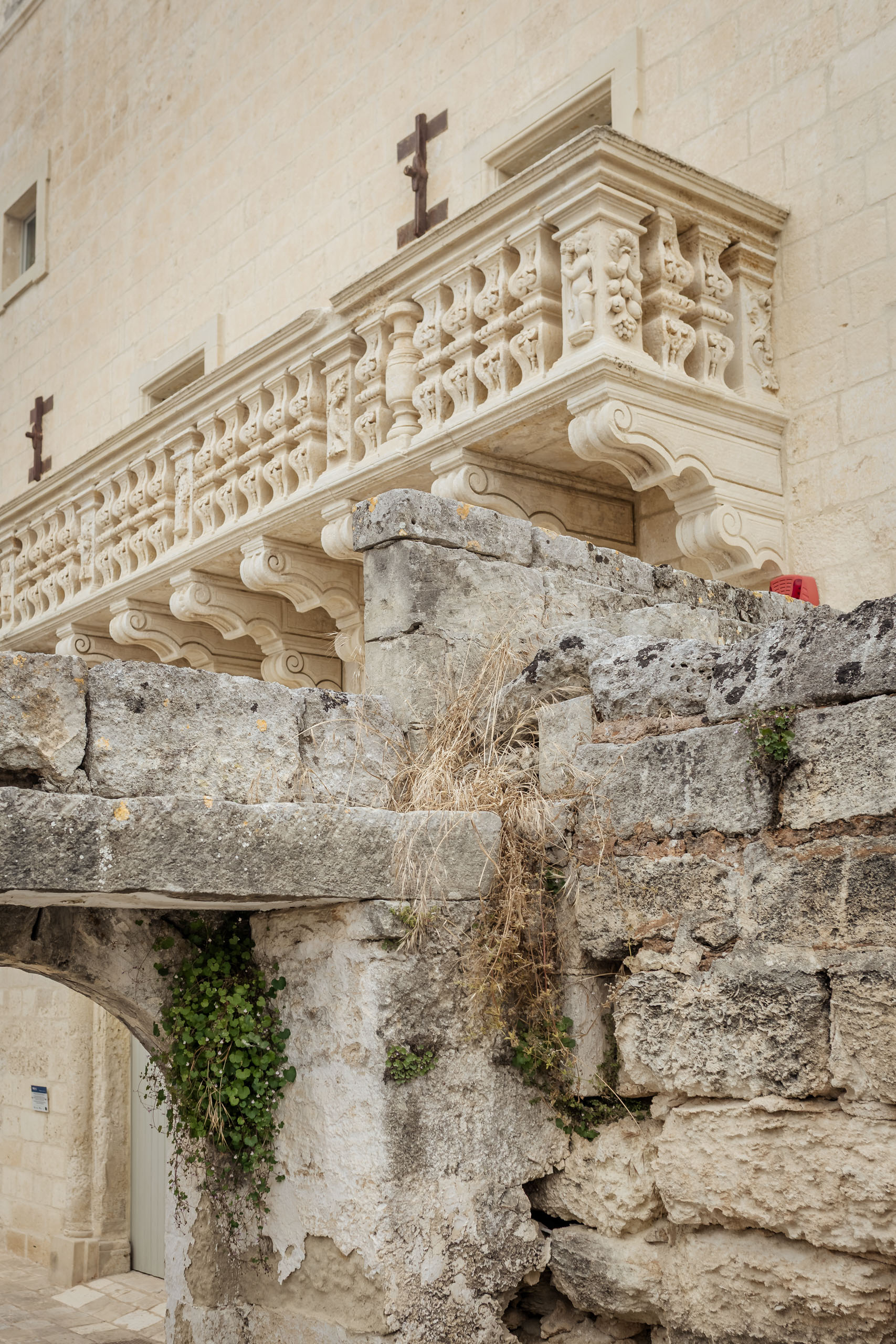
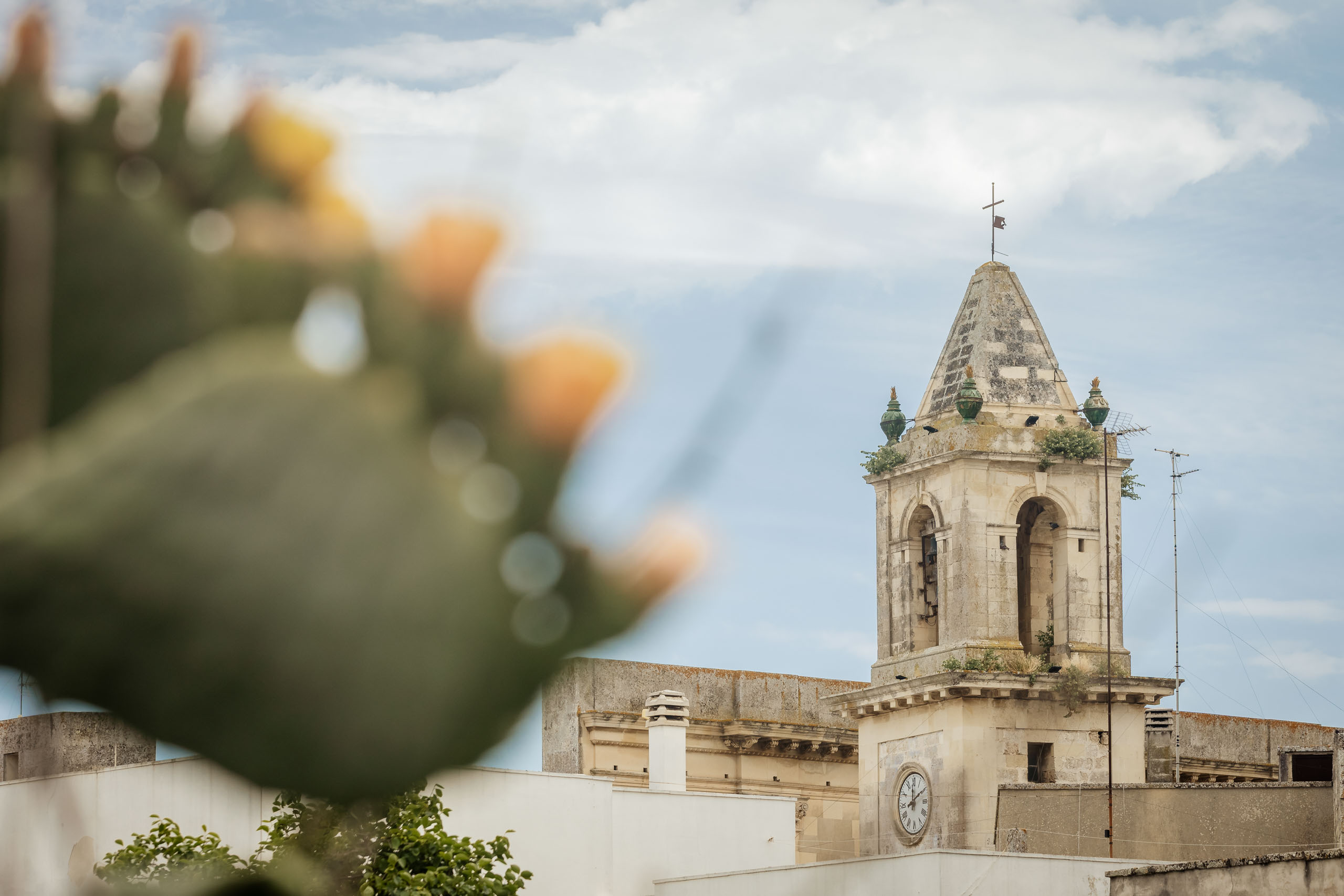
It is precisely this coexistence of monumentality and simplicity that makes Via Salentina unique. On one side, the noble palaces tell of the prestige of the most influential families; on the other, the courtyard houses preserve the memory of ordinary life. In between, a street that for centuries accompanied the growth of the town. Walking along it today means reading, stone by stone, the history of a Muro Leccese that has managed to transform itself without losing its identity. A street that is not merely a connection between different places, but a true urban narrative, capable of guiding visitors in their discovery of the town’s many souls.