Church of the SS. Annunziata
Parish Church / Mother Church
Salento Baroque
1680–1693; facade completed in 1715
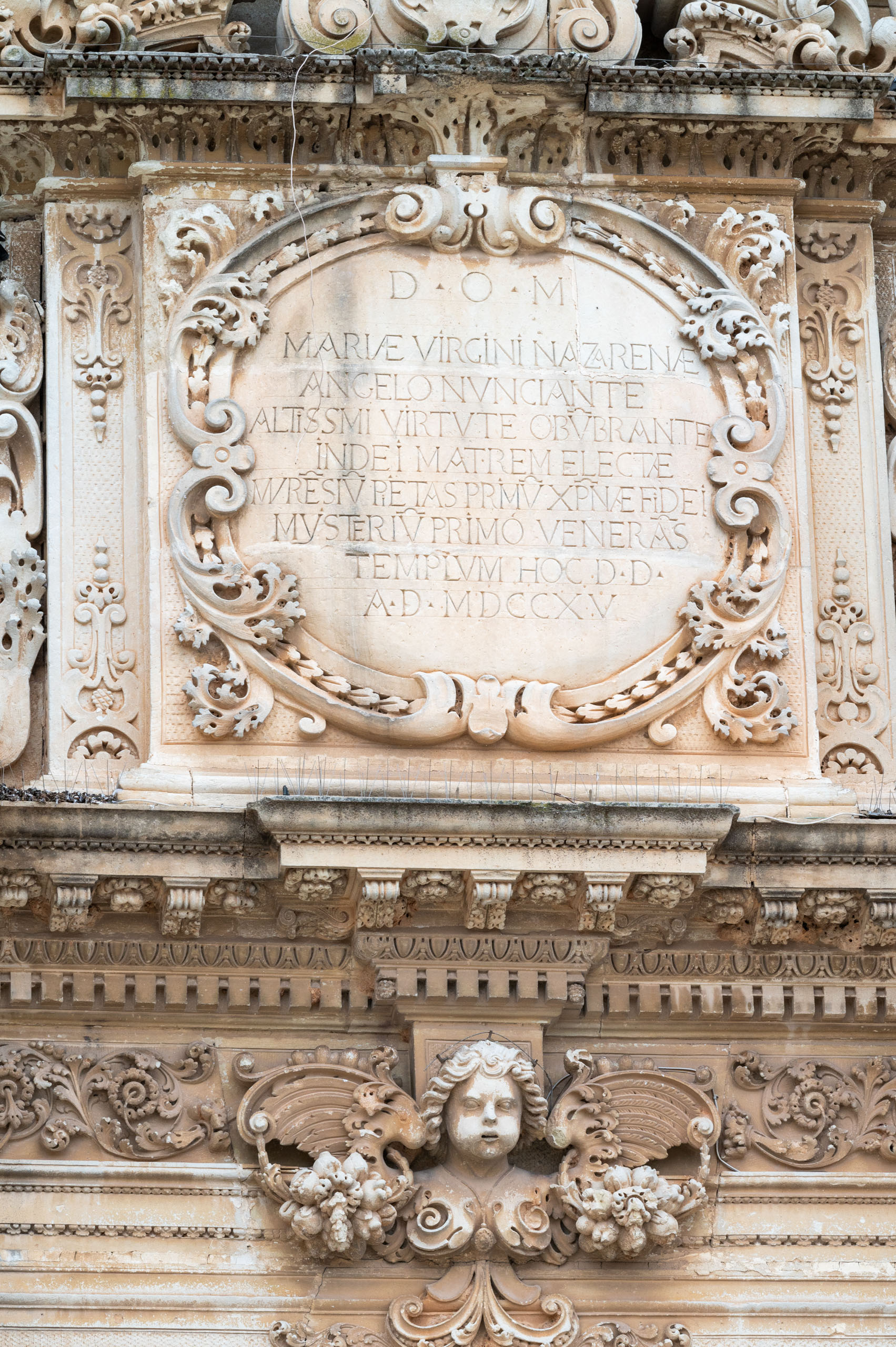
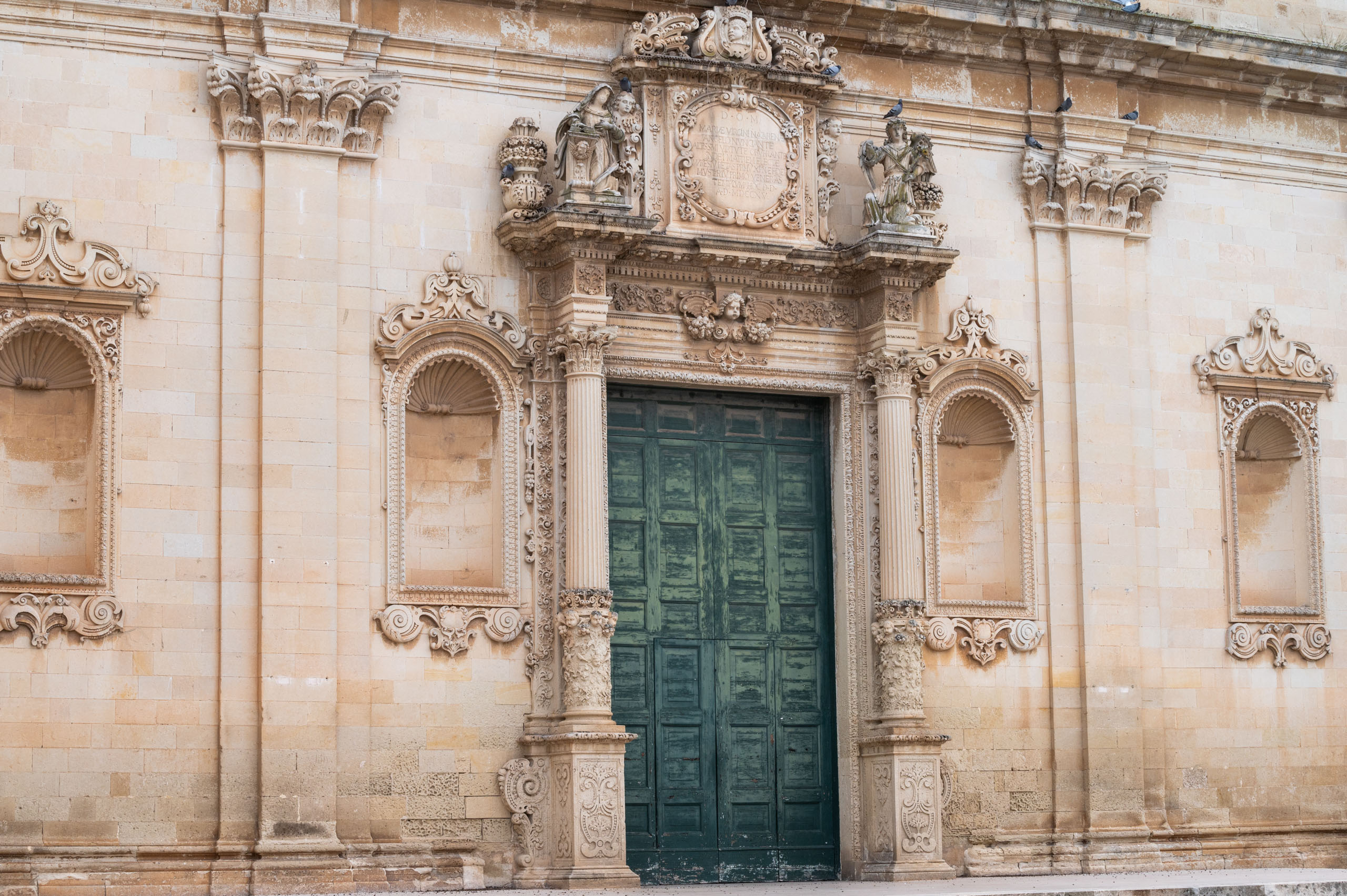
The facade houses the statues of the Madonna and the Angel Gabriel on the architrave of the portal, while the interior is considered a true art gallery due to the presence of paintings by Liborio Riccio and Serafino Elmo
Anyone arriving in the square sees it emerge with natural elegance from the golden stone of
Salento. For over three centuries, it has stood here, overlooking the broad stage of Piazza del
Popolo, safeguarding a history whose roots run far deeper in time.
The church we see today was born in the late seventeenth century, when the community decided
to replace the ancient Mother Church that stood on the same site. It was the era of the great
Baroque renewal that was transforming the face of towns across Salento. Muro Leccese also took
part in that season of artistic and architectural fervour, entrusting Francesco Milanese and
Giovanni Battista De Bellis with the construction of a new building destined to become the
town's principal spiritual anchor.
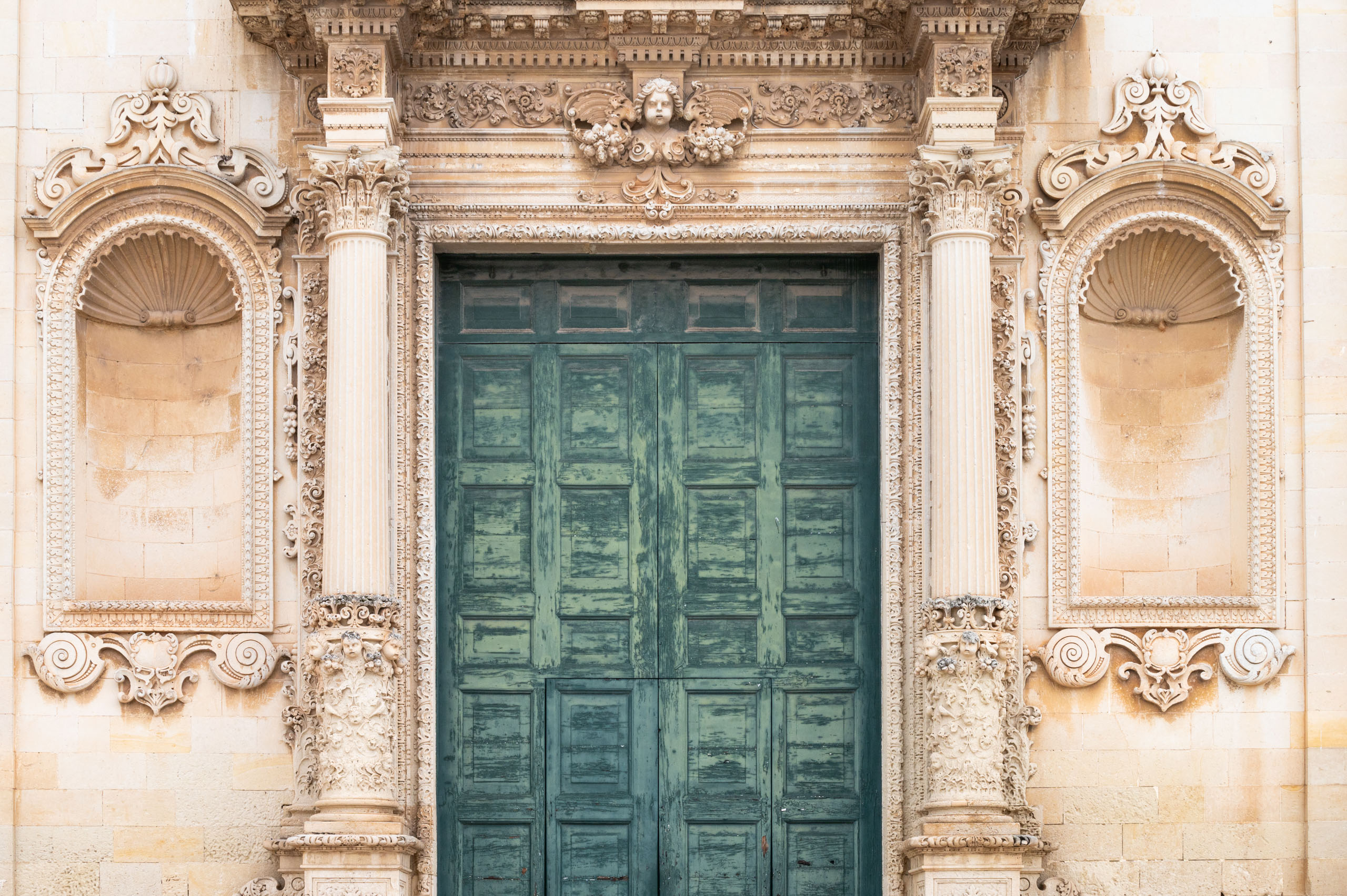
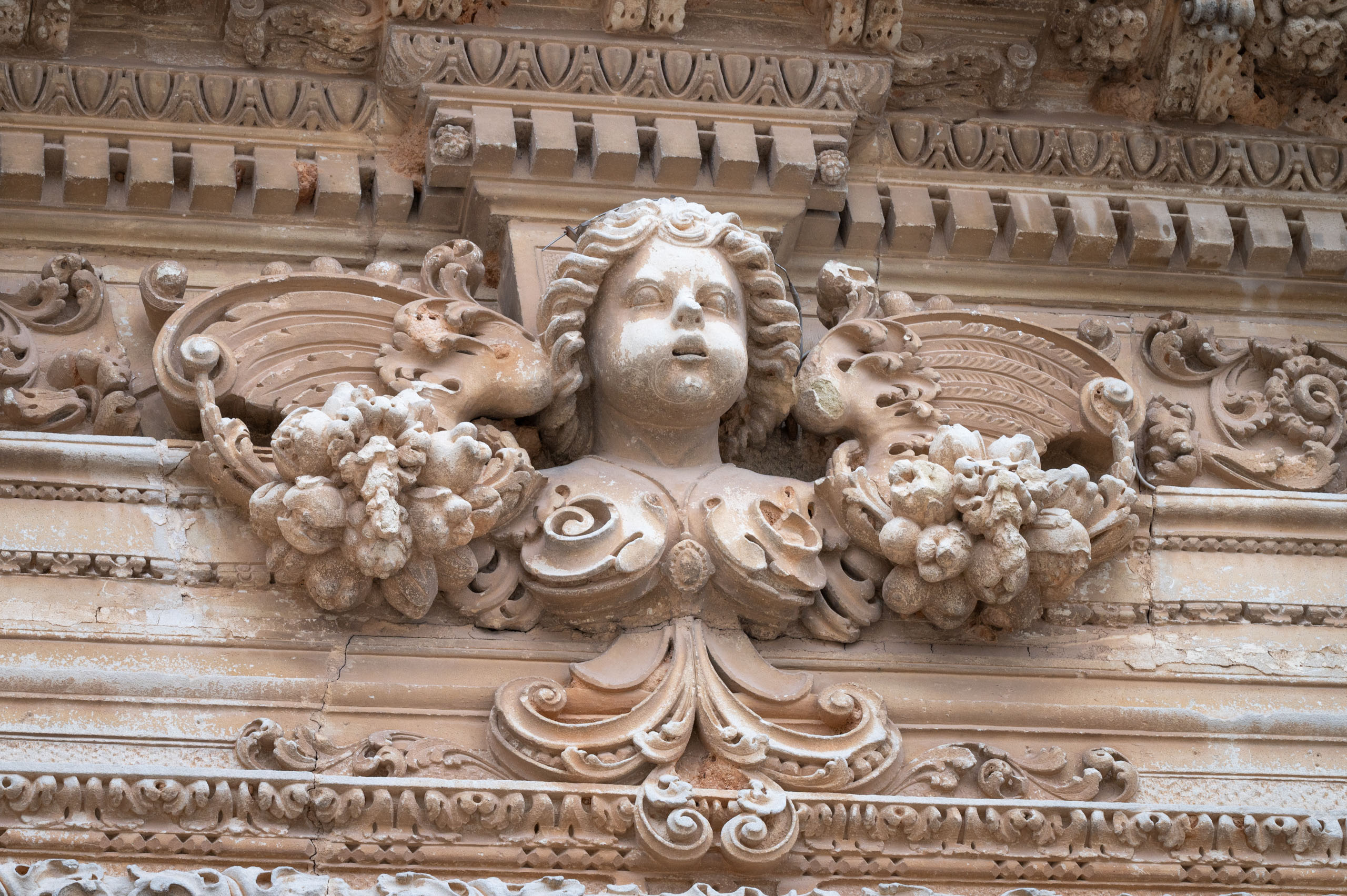
Observing the façade, your gaze is immediately drawn to the theme that gives the building its name. Above the portal, the Madonna and the Archangel Gabriel make visible the moment of the Annunciation: the dialogue that, according to Christian tradition, changed the history of the world. Higher up, the large window and the civic coat of arms featuring a Moor's head recall the deep bond between the church and the civic community. Here, faith and collective identity meet in a single narrative carved into Lecce stone.
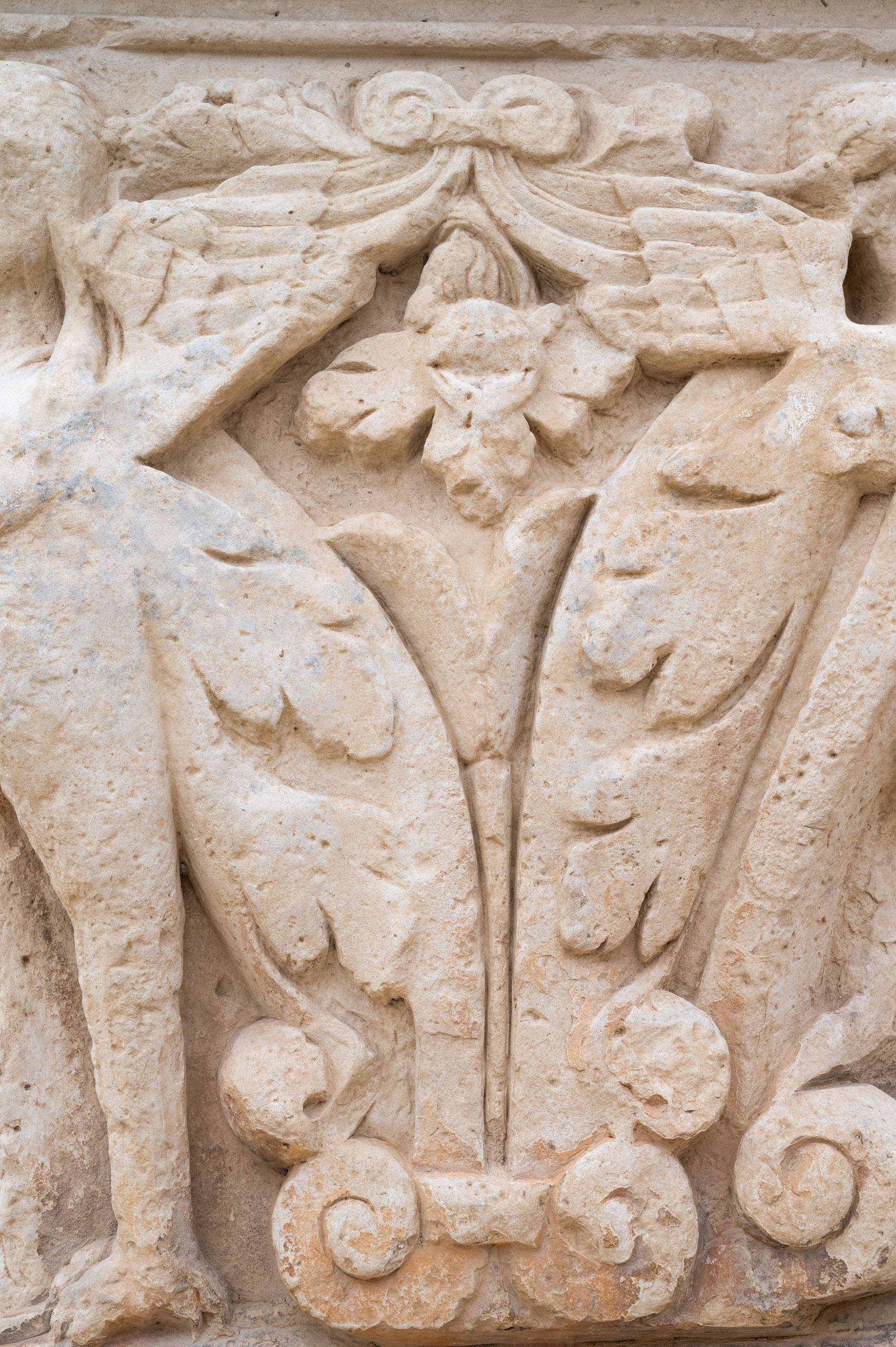
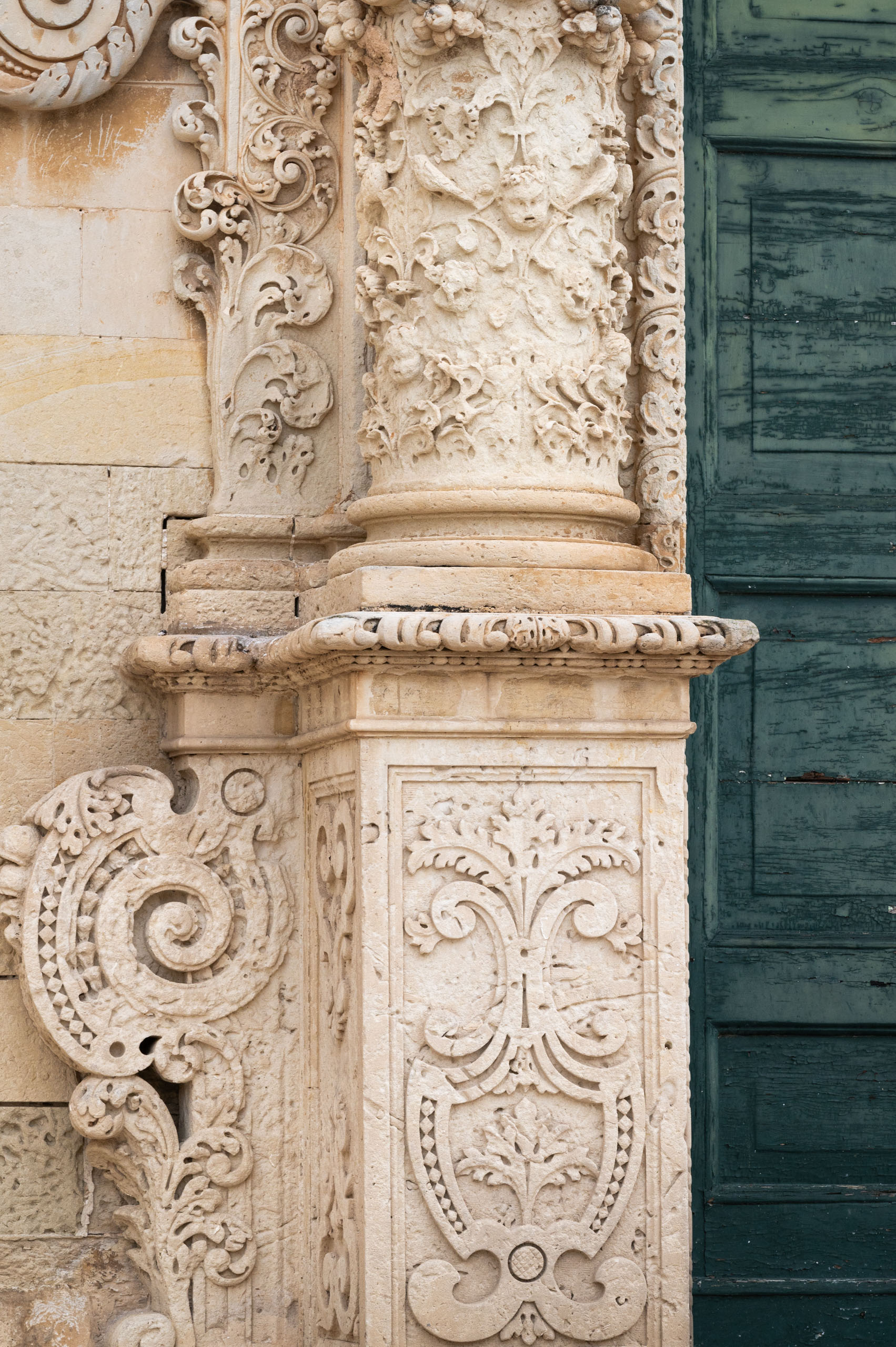
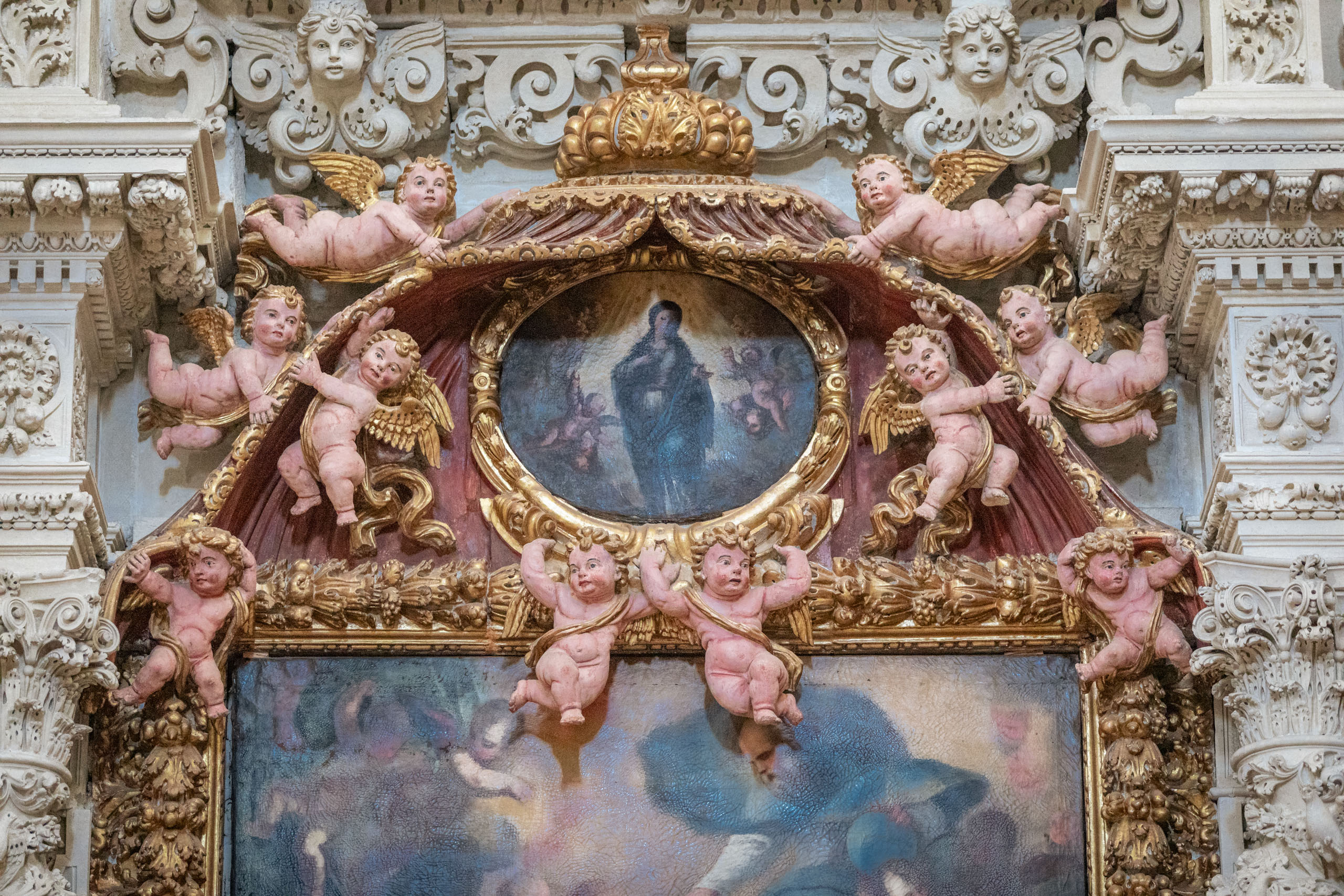
But it is inside that the church reveals all its richness. The three naves, the star vaults (volte a stella) and the Latin cross plan create a broad, luminous space in which architecture, sculpture and painting are held in harmonious conversation. Light filters through the openings and rests upon the marbles, canvases and altars, endlessly transforming the perception of the space.
Among the most remarkable elements is the high altar in polychrome marble. Its presence tells a
unique story: it did not begin its life here, but in the church of the Dominican Convent. When
Napoleonic suppressions forced the religious orders to abandon the convent, the altar was
dismantled and transferred to the Annunziata, where it still serves its sacred purpose. It is as if a
precious fragment of Muro Leccese's religious memory found a new home here.
The church we see today is also the result of later alterations. In the eighteenth century, the
building had a different configuration: a single main nave flanked by side chapels. Only later
were the walls opened up, creating the naves that give the interior greater breathing room today.
The original bell tower was also far more imposing than the current one: it rose through three
tiers, dominating the town's skyline, before being largely demolished during the nineteenth
century.
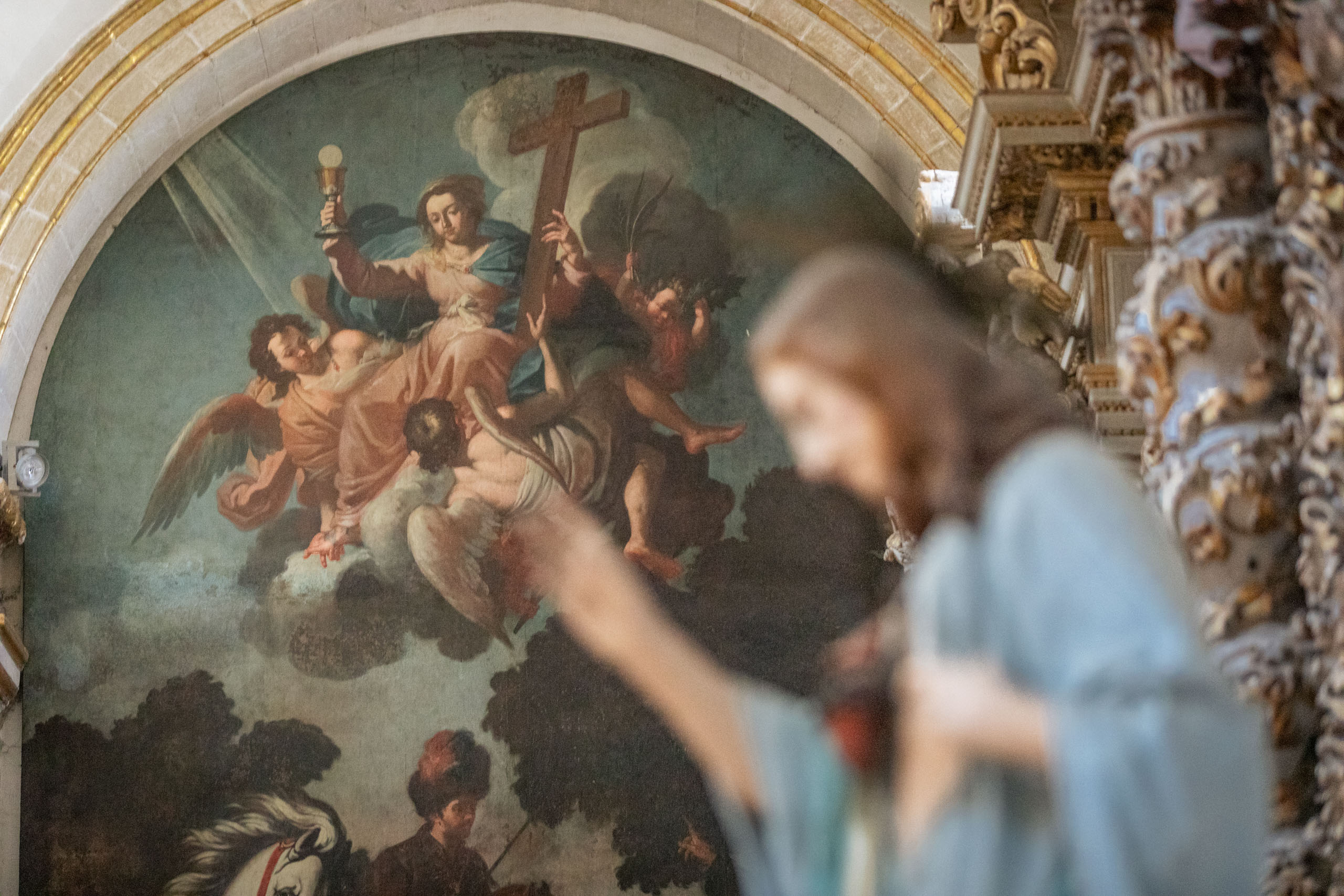
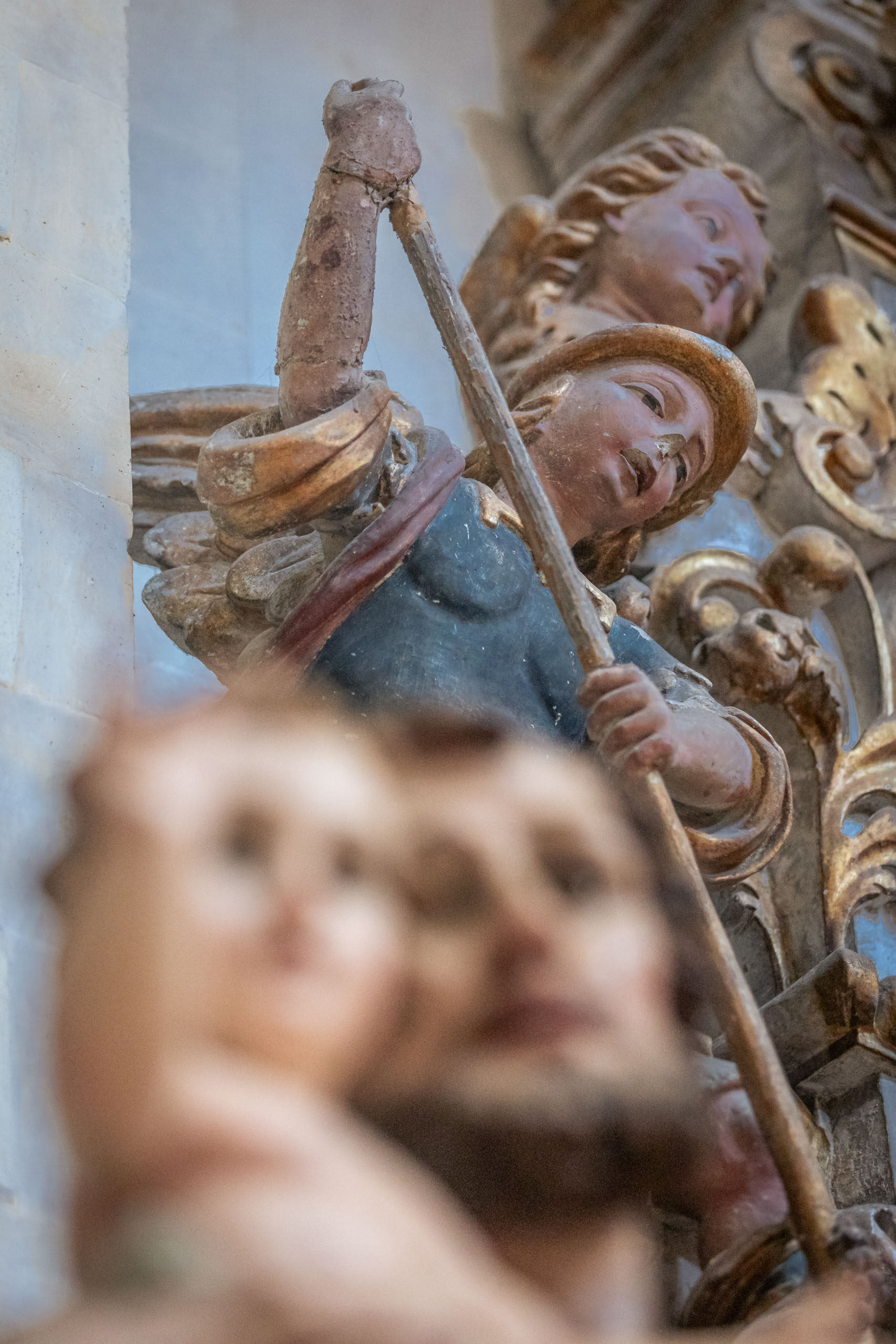
Yet perhaps the most surprising treasure of the Annunziata is its pictorial heritage. More than just
a church, the building appears as a true sacred art gallery. The walls preserve works that recount
biblical episodes, the lives of saints and great themes of Christian tradition through the language
of Salentine Baroque painting.
On the counter-façade, you are welcomed by one of the masterpieces by Liborio Riccio, a
remarkable artist born in Muro Leccese: The Expulsion of the Merchants from the Temple. It is an
intense, theatrical work that seizes the eye immediately. Beside it are canvases dedicated to the
Conversion and Martyrdom of St. Oronzo, the patron saint of Salento, a figure of deep local
devotion.
Further in, in the choir, two large paintings by Serafino Elmo depict episodes from the Old
Testament: David Dancing During the Transfer of the Ark and Heliodorus Driven from the
Temple. Together, these works confirm the church as a continuous visual narrative, where faith
takes shape through imagery, colours, and gestures.
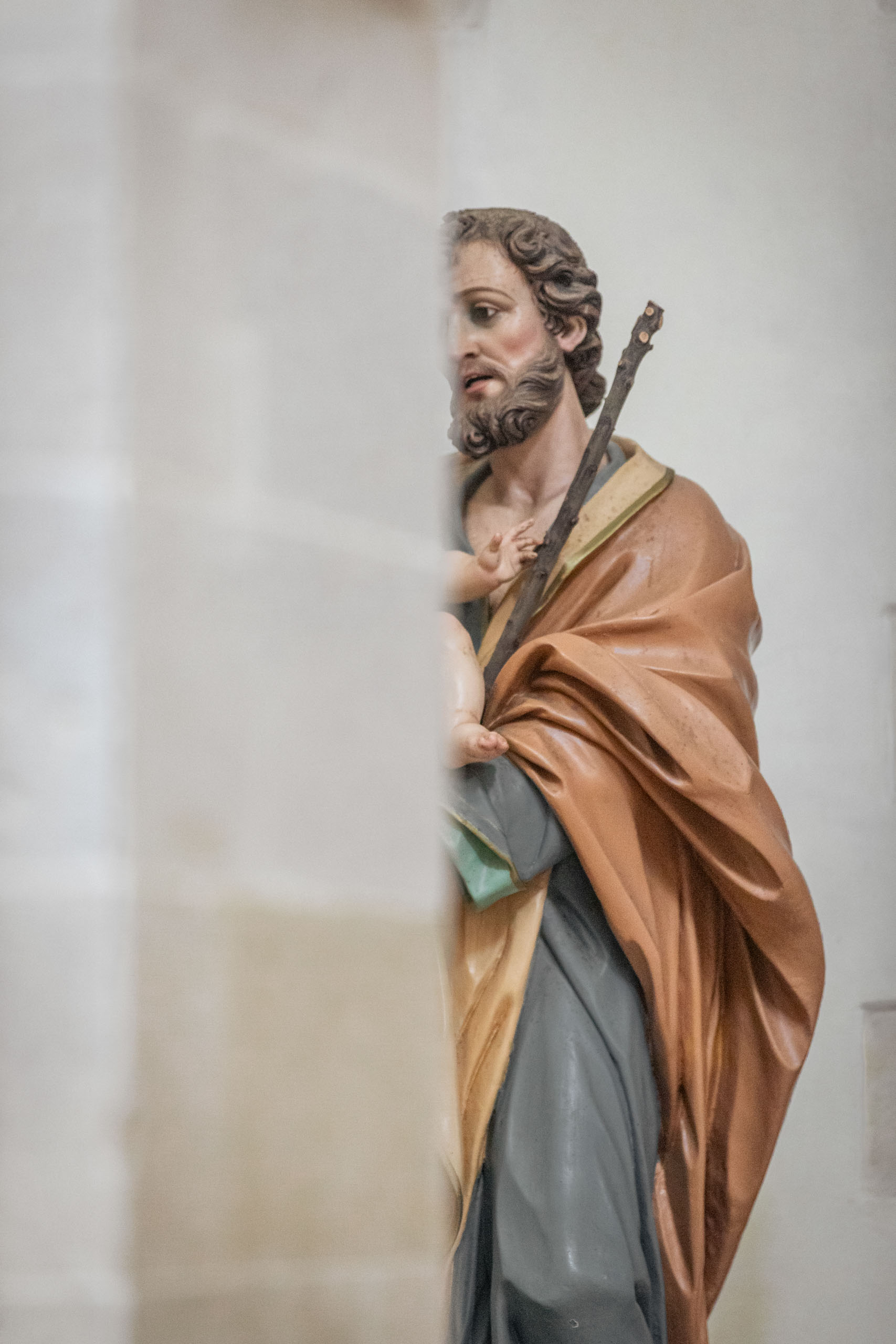
Completing this heritage are canvases dedicated to the Madonna Annunziata, the Immacolata,
the Assunta, St. Joseph and other figures of the Christian tradition, distributed along the side
altars and accompanied by statues, friezes and decorations that enrich the whole without
weighing it down.
But the Annunziata cannot be described through art alone. Its true greatness lies in its bond with the community. For centuries, this church has witnessed the most meaningful moments in the life of Muro Leccese. The main religious festivities are celebrated here, families gather here during life’s most pivotal moments, and the processions that traverse the historic centre converge here. Its position makes it an integral part of the town's daily life.
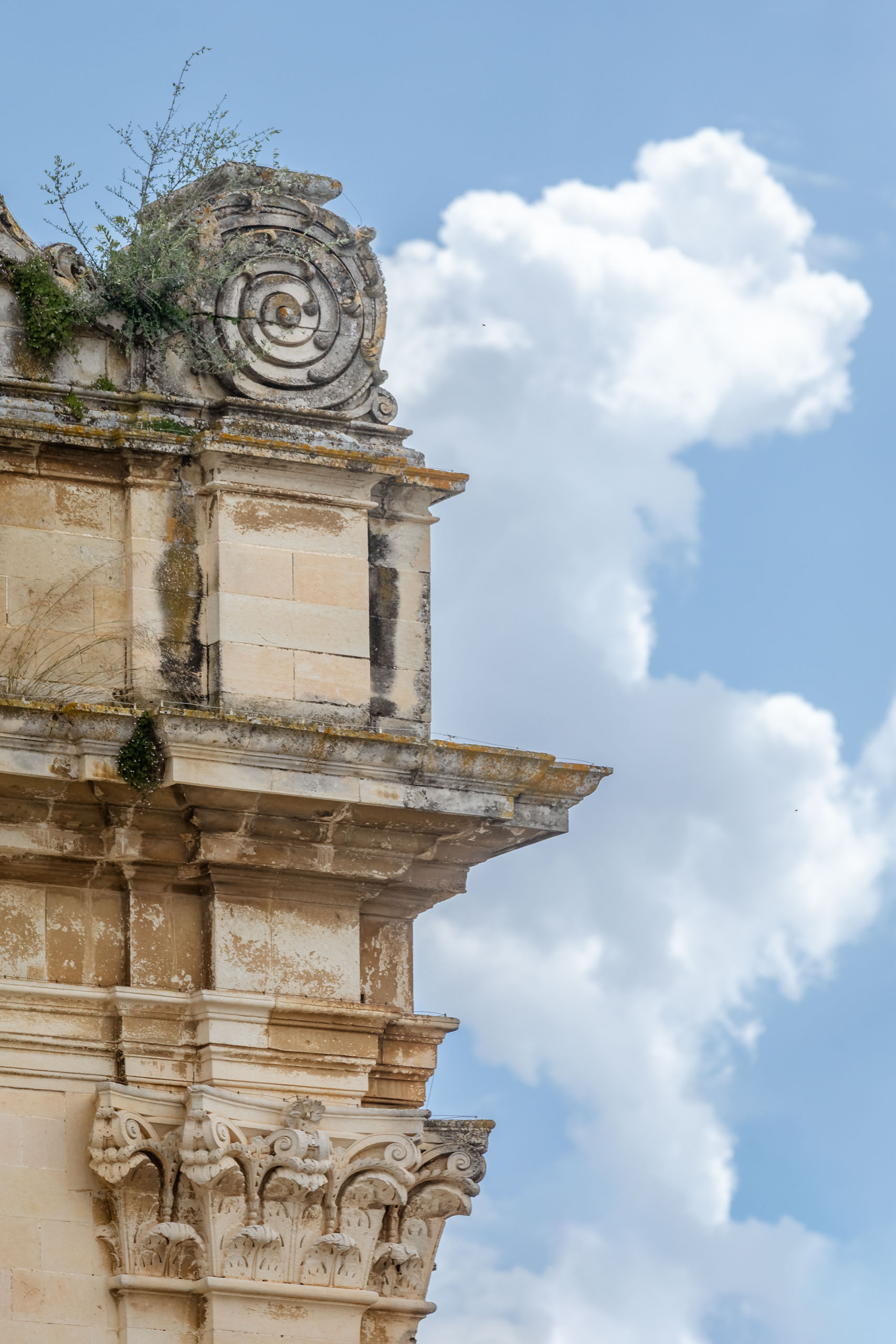
For this reason, the Mother Church of the Annunziata is much more than a monument. It is a shared memory. It is the place where the artistic heritage, religious devotion and collective identity of Muro Leccese continue to meet, day after day, under the same sky and among the same stones that have watched time pass for centuries.