Borgo Terra
Fortified planned village
Late medieval urban planning
Late 15th - early 16th century
The village extends over approximately one hectare and is characterized by a regular layout of orthogonal streets, still visible in the current historic center. It was entirely surrounded by a wall and a 4-meter-deep defensive moat. Excavations uncovered "Casa Fiorentino," a typical 15th-century peasant dwelling of approximately 23 square meters, and grain silos carved into the rock. Among the artifacts unearthed from the moat were Ottoman Iznik ceramics and objects bearing the Protonobilissimo coat of arms.
Strolling through its streets means stepping into a history that began more than five centuries ago, when Salento was a land gripped by tensions, raids and profound changes. At that time, the small hamlets (casali) scattered across the land—Miggiano, Miggianello, Pulsano, Brongo, and others—slowly began to empty out. Farming families left their homes, fields, and the small communities where they had lived for generations. They sought security, protection and a place capable of resisting the threats coming from the sea and the countryside.
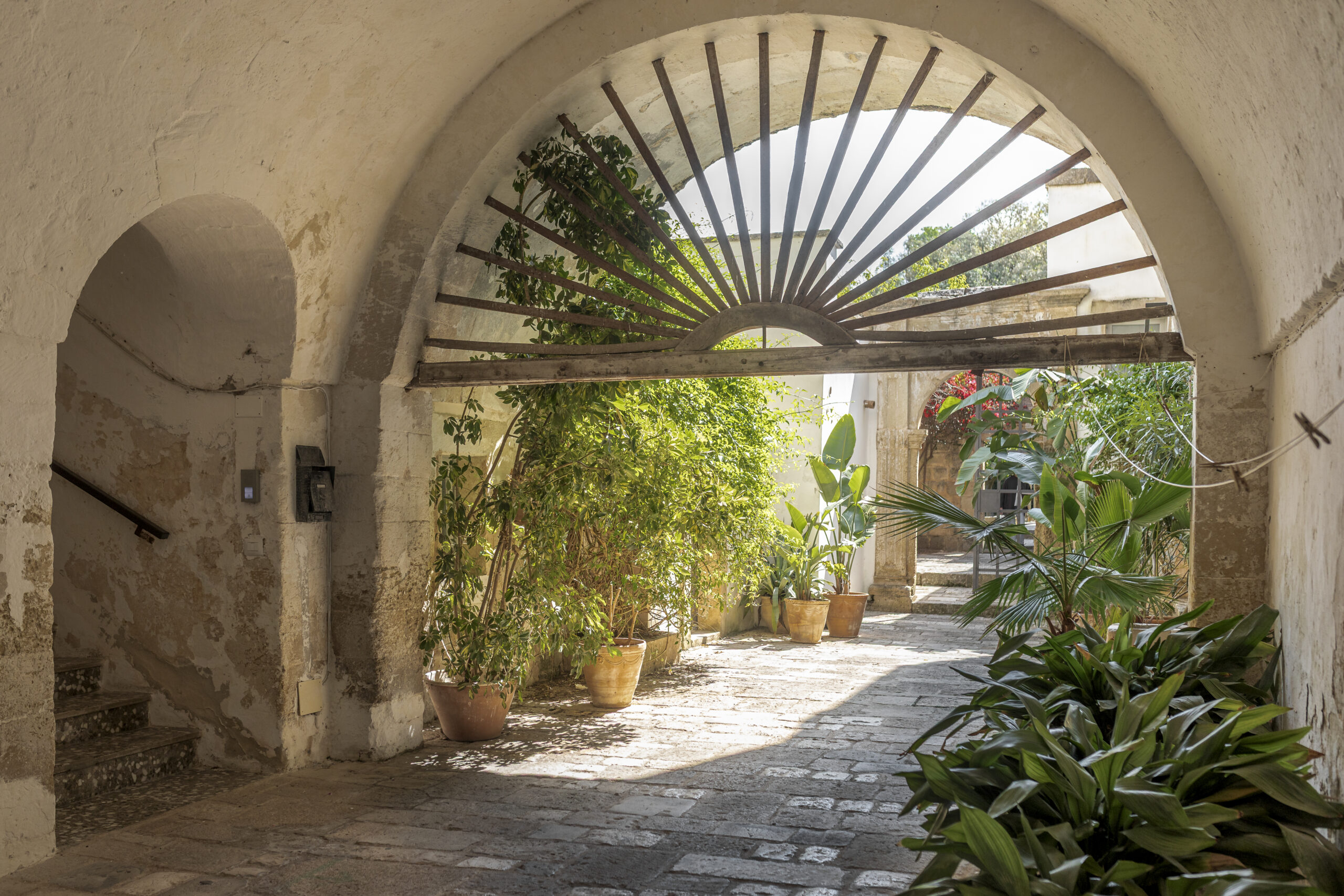
It was not a spontaneous development, but a deliberate project. The Protonobilissimo family, the feudal lords destined to rule Muro for over three centuries, promoted the construction of a new fortified settlement capable of welcoming the scattered population of the area. It was a borough built for defence, but also to organise a new collective life. Even today, looking at it from above or walking its streets, you can recognise the layout of that ancient project. Every space was planned, measured, and organised. Borgo Terra stands as one of the most significant examples of a planned borough from late-medieval Salento.
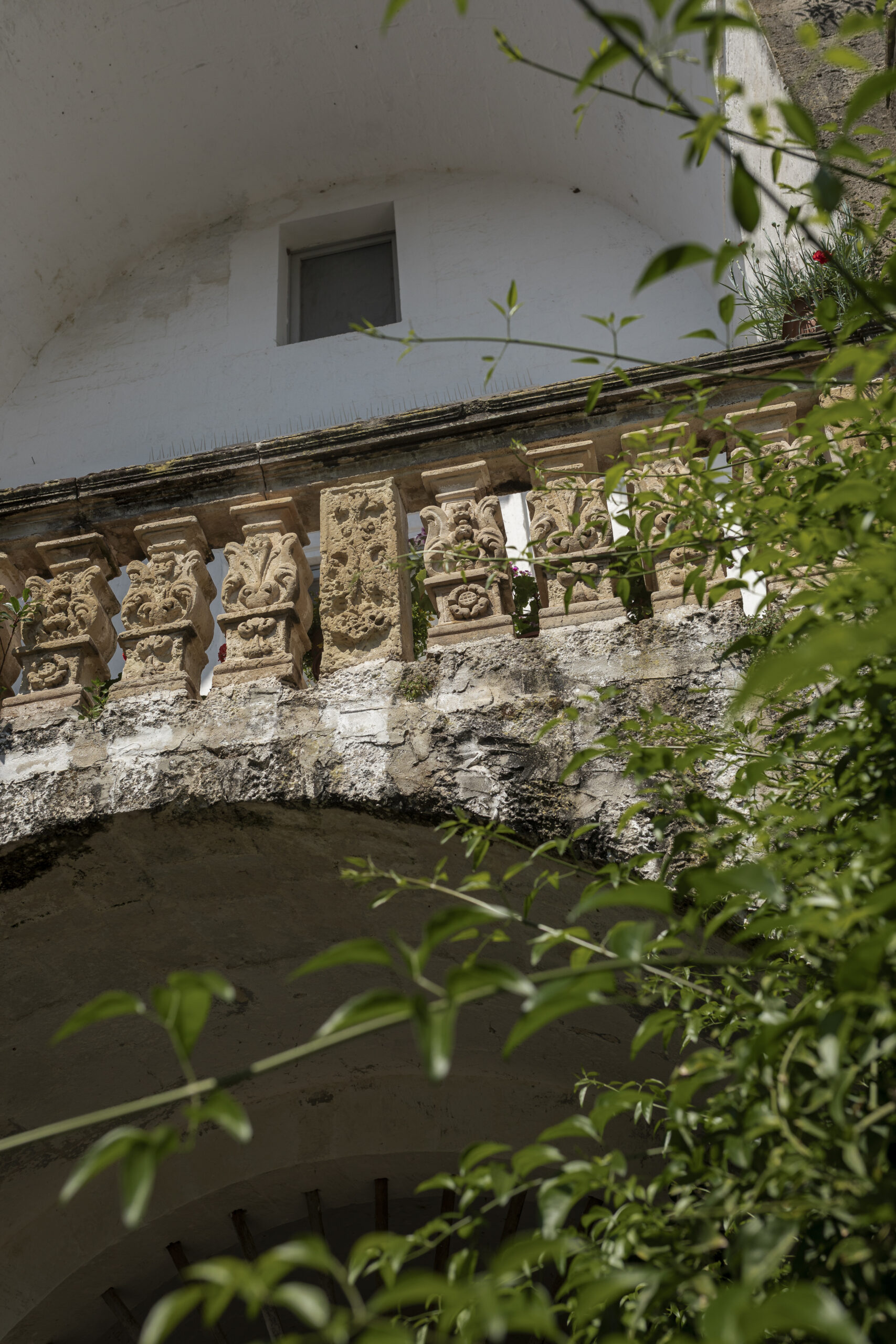
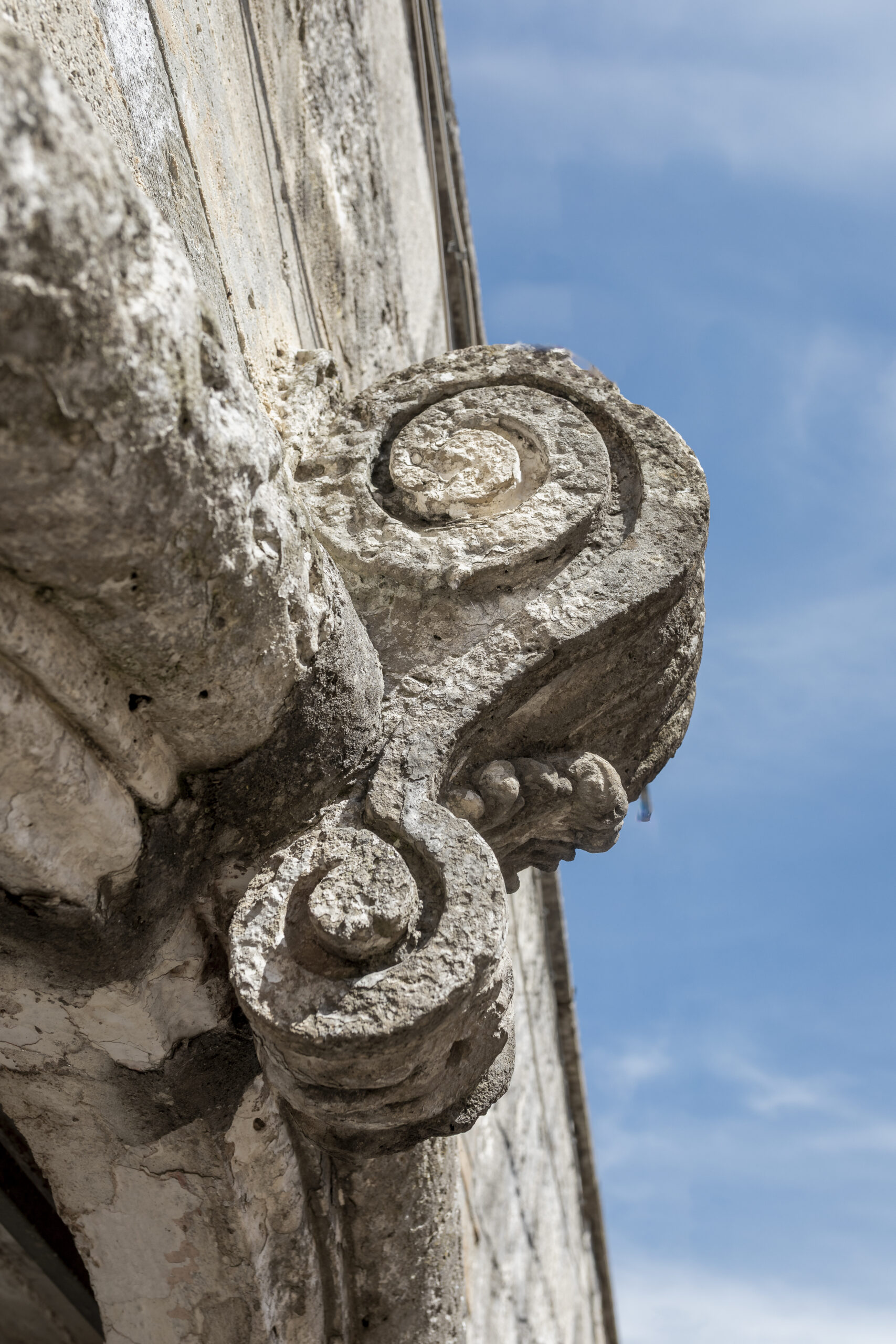
For a long time, the borough was surrounded by powerful defensive walls and a moat about four meters deep. Picturing that moat today means returning to an era when defence was a daily necessity. Ottoman raids, the still-vivid memory of the sack of Otranto in 1480, and the instability of the Mediterranean made it indispensable to protect people, families, and harvests. Archaeological excavations have unearthed concrete traces of that restless time: bombard ammunition, signs of destruction, and evidence recounting a community forced to coexist with the constant threat of war. Yet they also reveal something more—the everyday life of the borough itself.
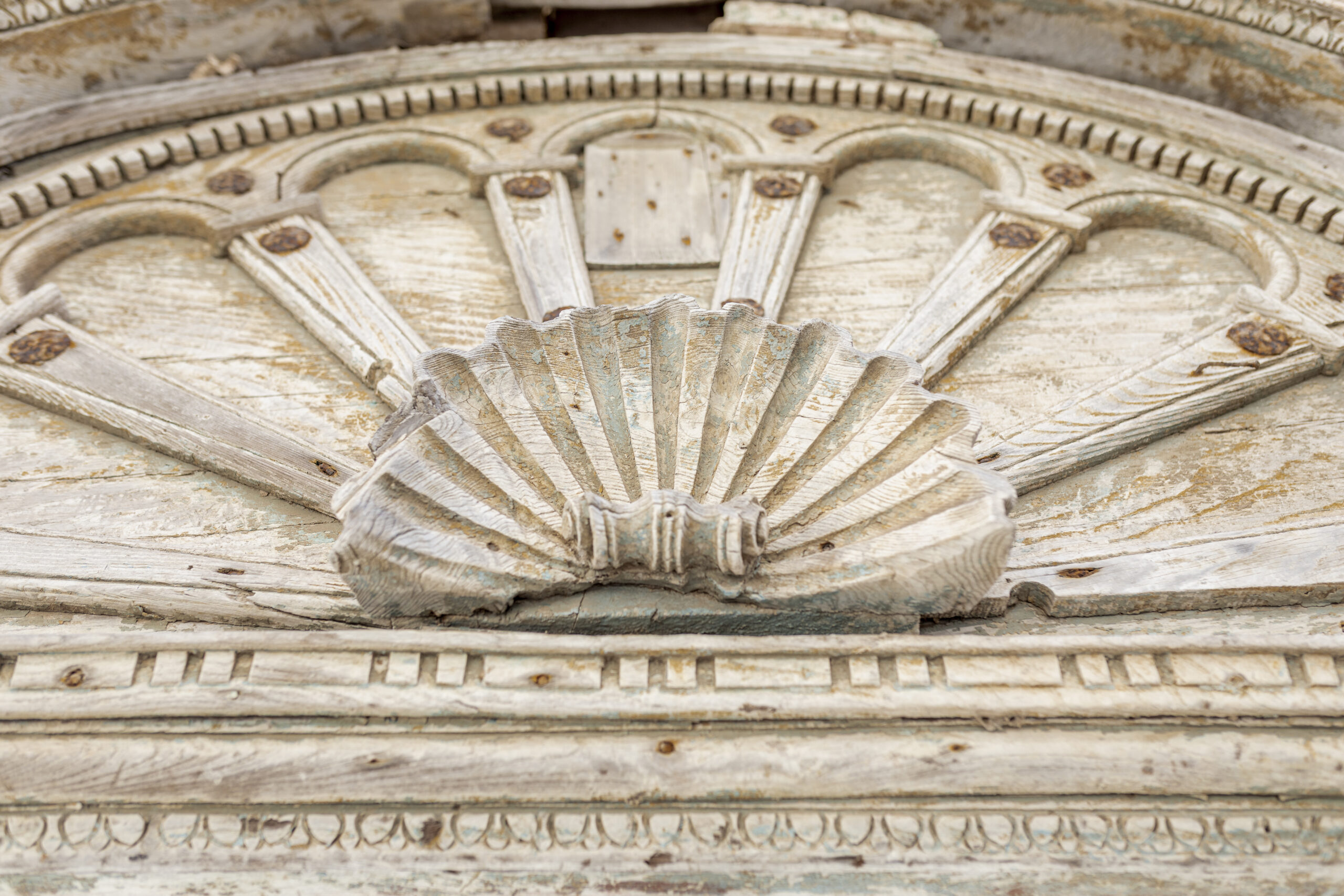
Archaeologists have found glazed medieval ceramics, fragments originating from Spain,
precious Ottoman artefacts crafted in the famous workshops of Iznik in Turkey, a silver spoon,
and a plate decorated with the Protonobilissimo coat of arms. These objects speak of commerce,
relationships, prestige, and an openness toward a Mediterranean that, despite conflicts and fears,
remained a space for encounter and exchange.
But Borgo Terra was not made just of walls and defences.
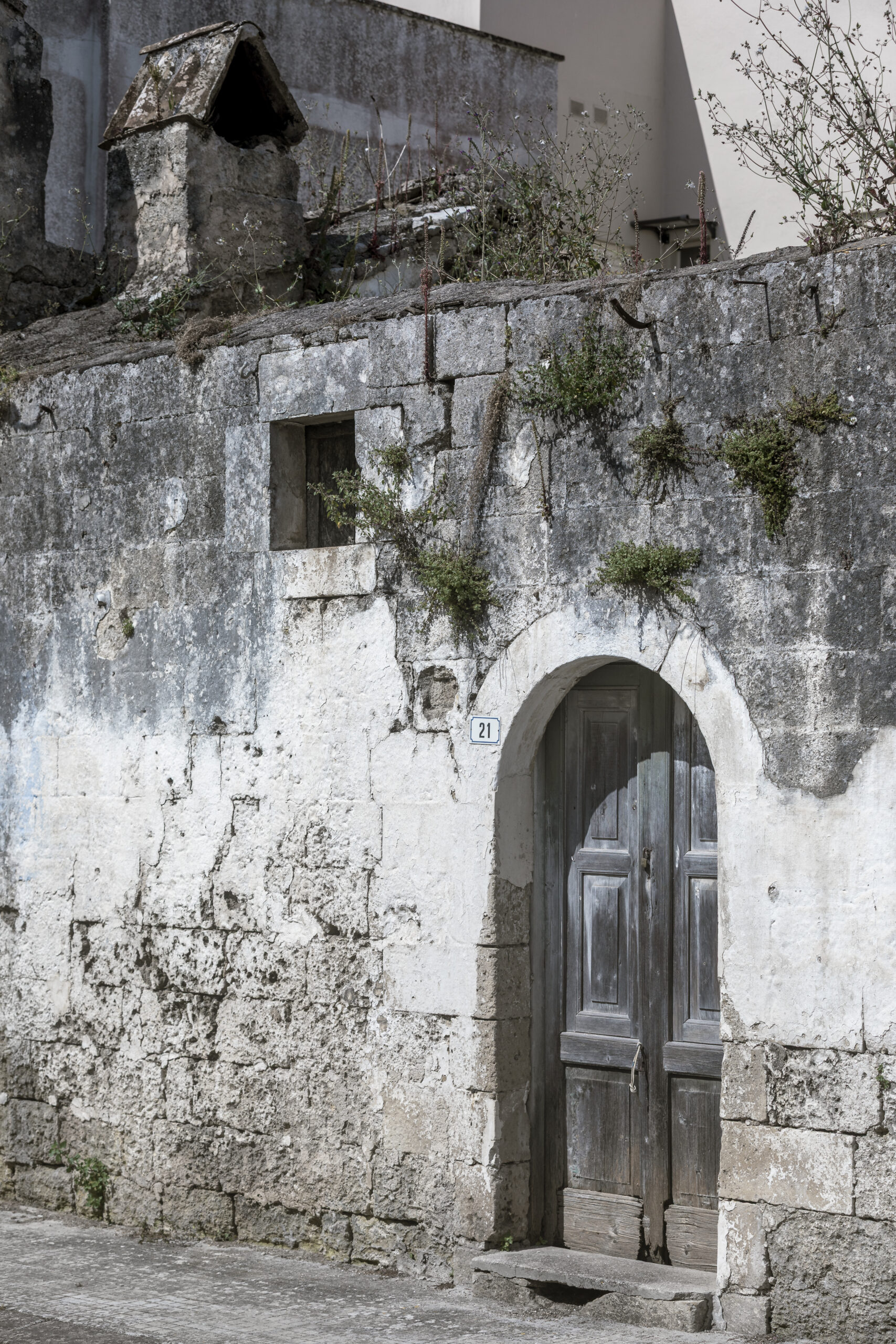
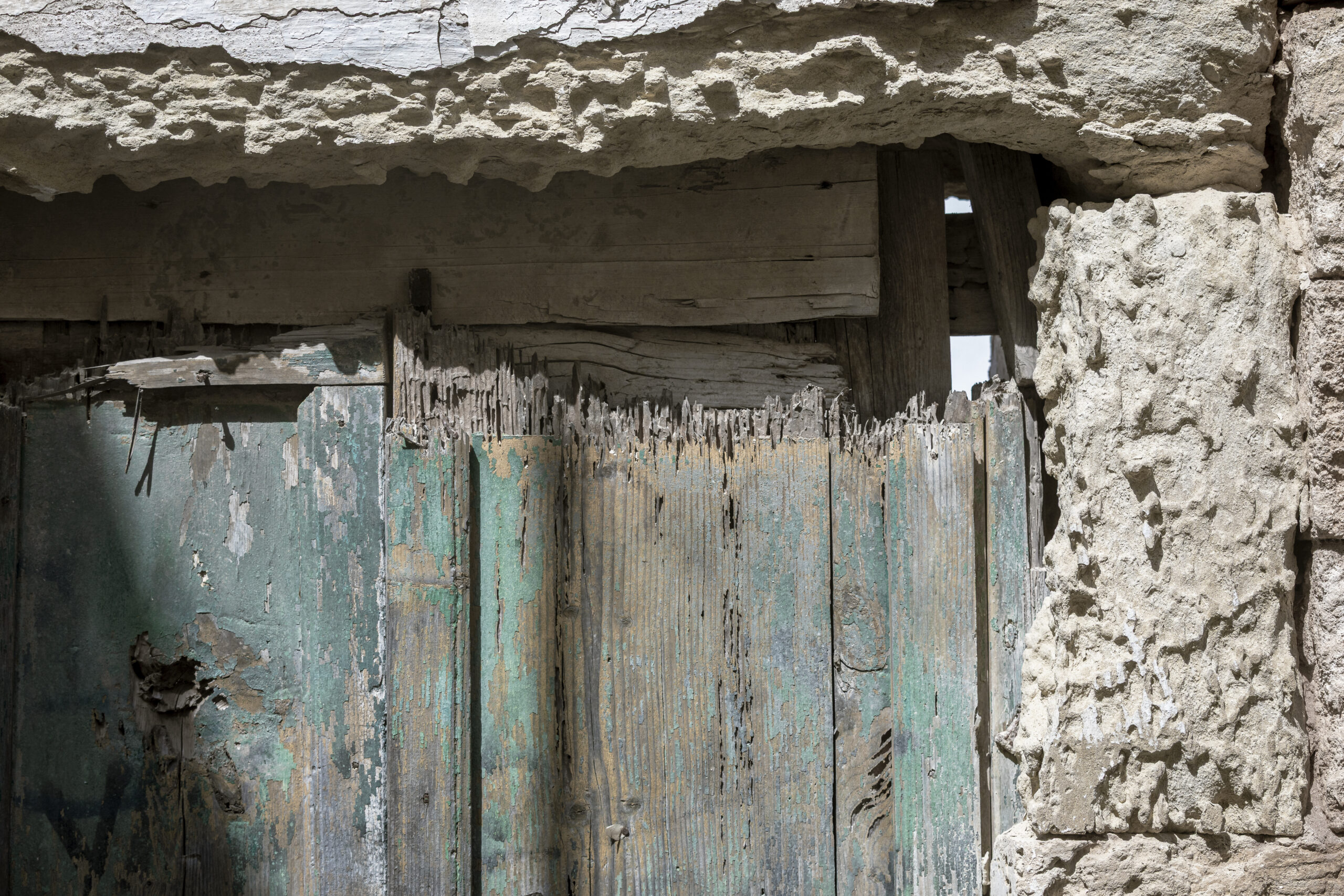
Its houses were simple, often tiny. The so-called Casa Fiorentino, a modest peasant
dwelling of just twenty-three square meters with an internal hearth, gives us a concrete image of
the daily life of the borough's inhabitants. These were men and women who worked the land,
stored grain in silos dug into the rock, raised livestock, and built their existence day after day
under the shadow of the walls.
At the heart of the borough, however, stood the ultimate symbol of power: the feudal lord's
castle, today known as the Prince's Palace (Palazzo del Principe). The entire settlement was
organised around it. It was the political, administrative, and symbolic centre of the new
community, from which the territory was governed, justice was administered, and resources were
controlled.
As the decades passed, however, the world changed. Threats diminished, political balances shifted, and Borgo Terra slowly began to lose its exclusively defensive function. The moat was progressively filled in and transformed into vegetable gardens, cisterns, and cellars. The castle became less austere and more elegant, taking on the appearance of a noble residence. The walls did not disappear, but they ceased to represent an impassable boundary between the inside and the outside. This was the moment when the fortified borough transformed into a city.
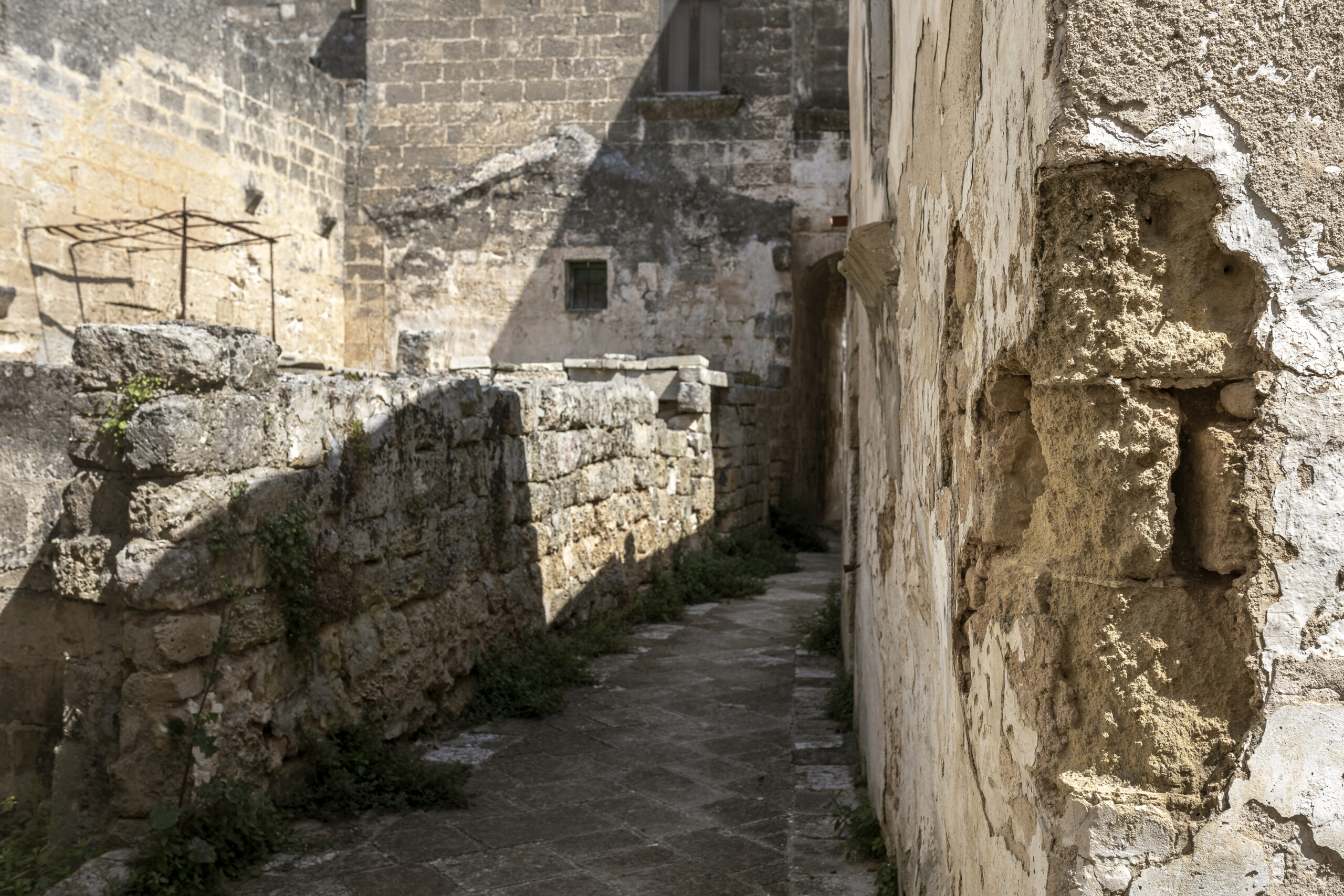
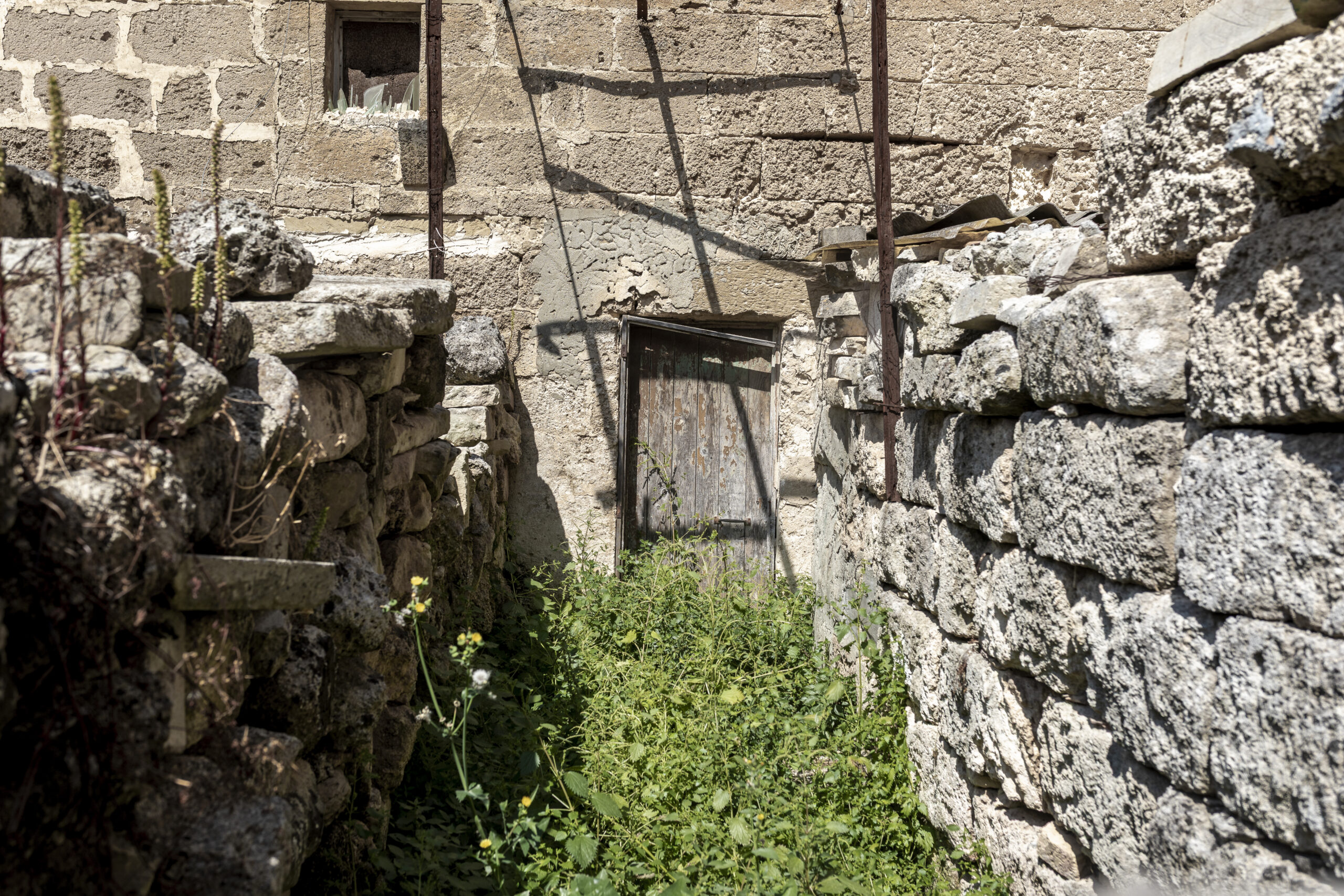
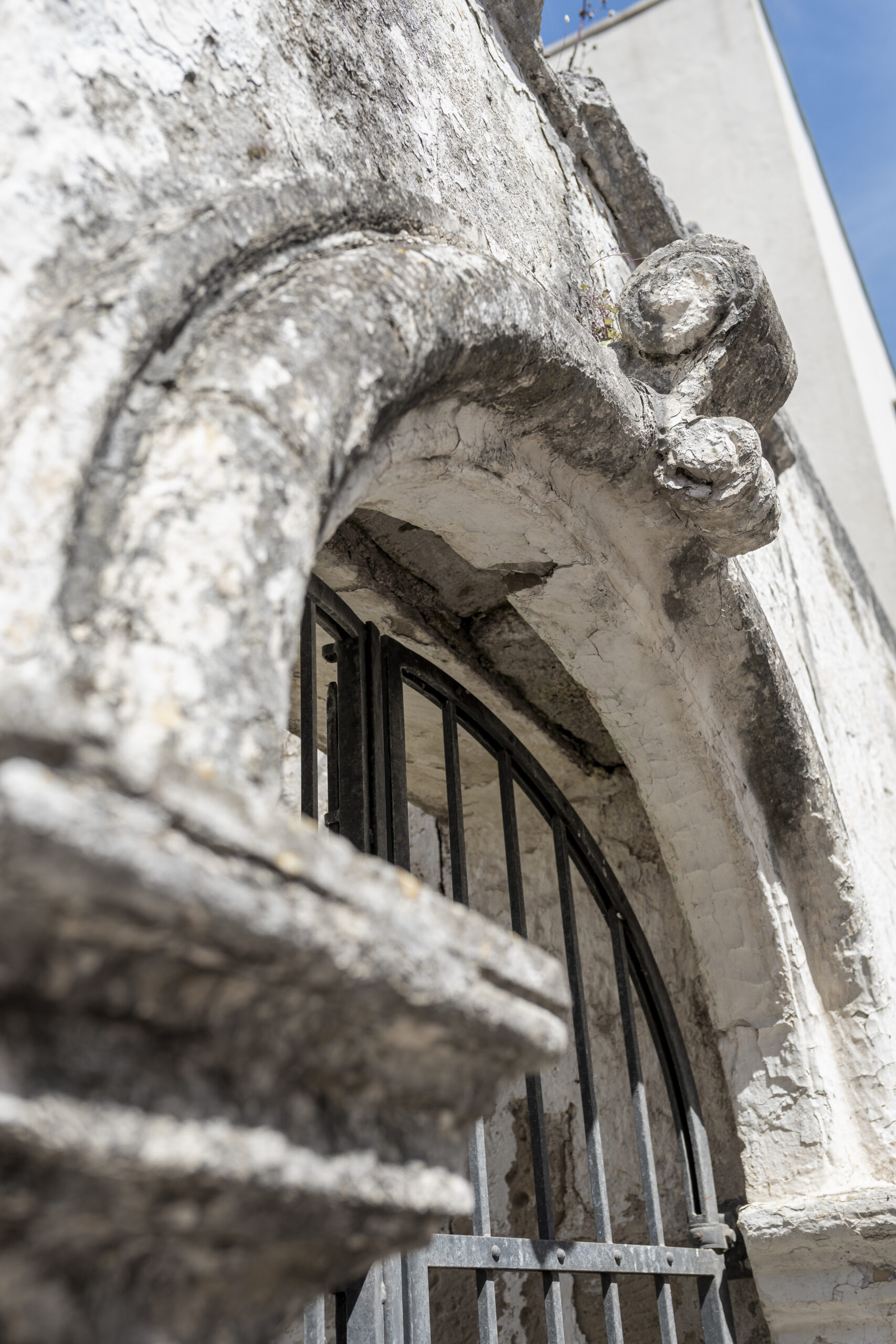
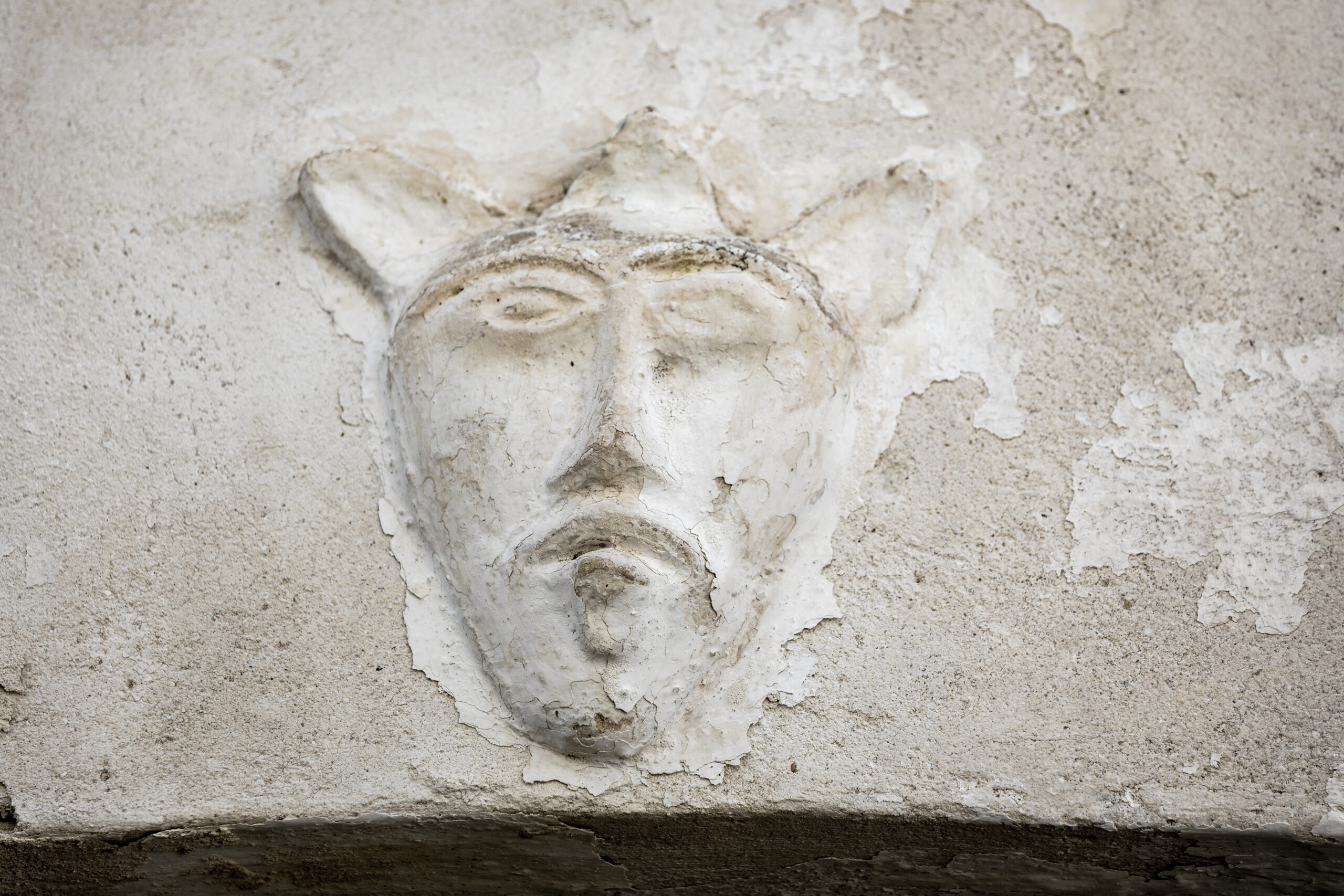
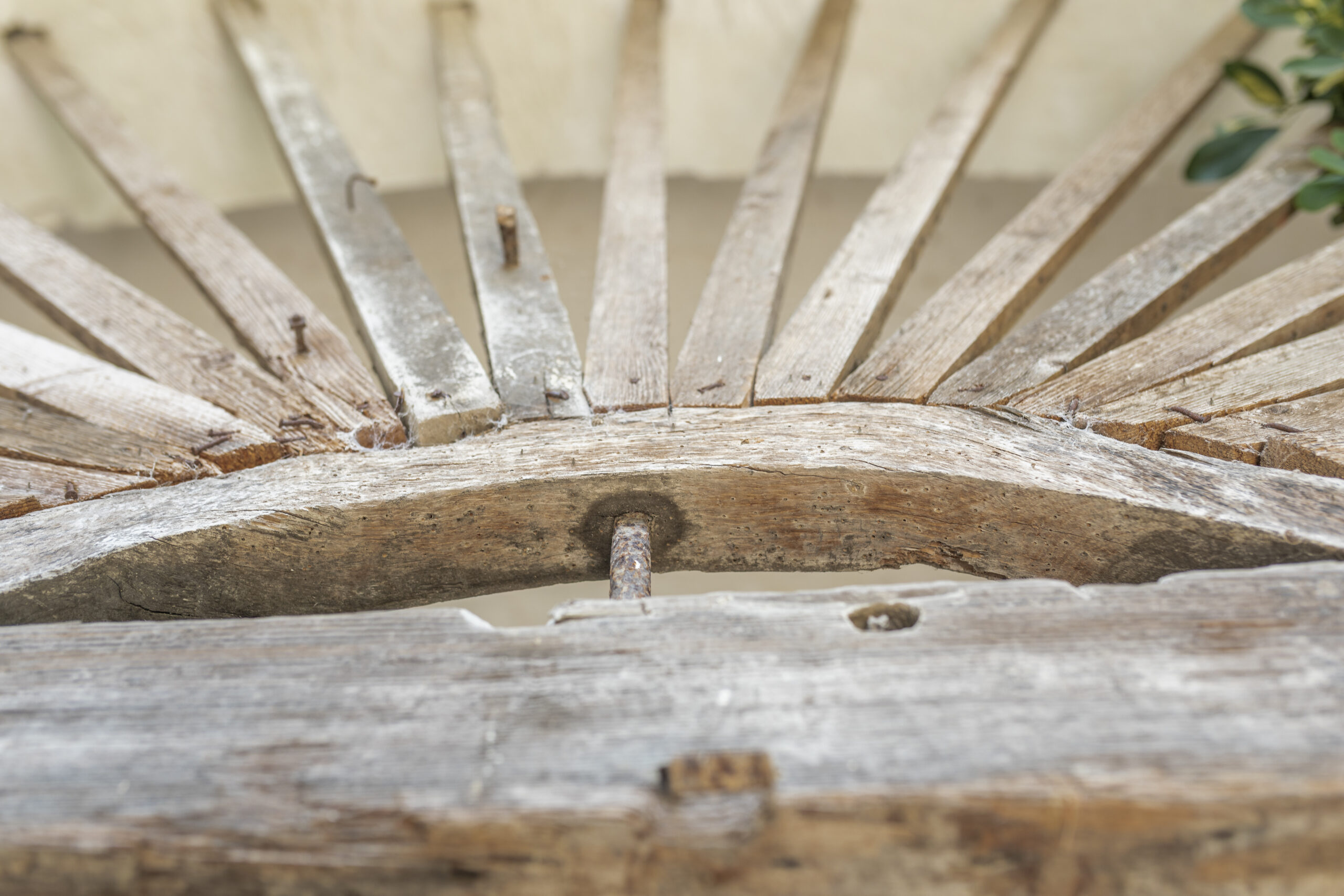
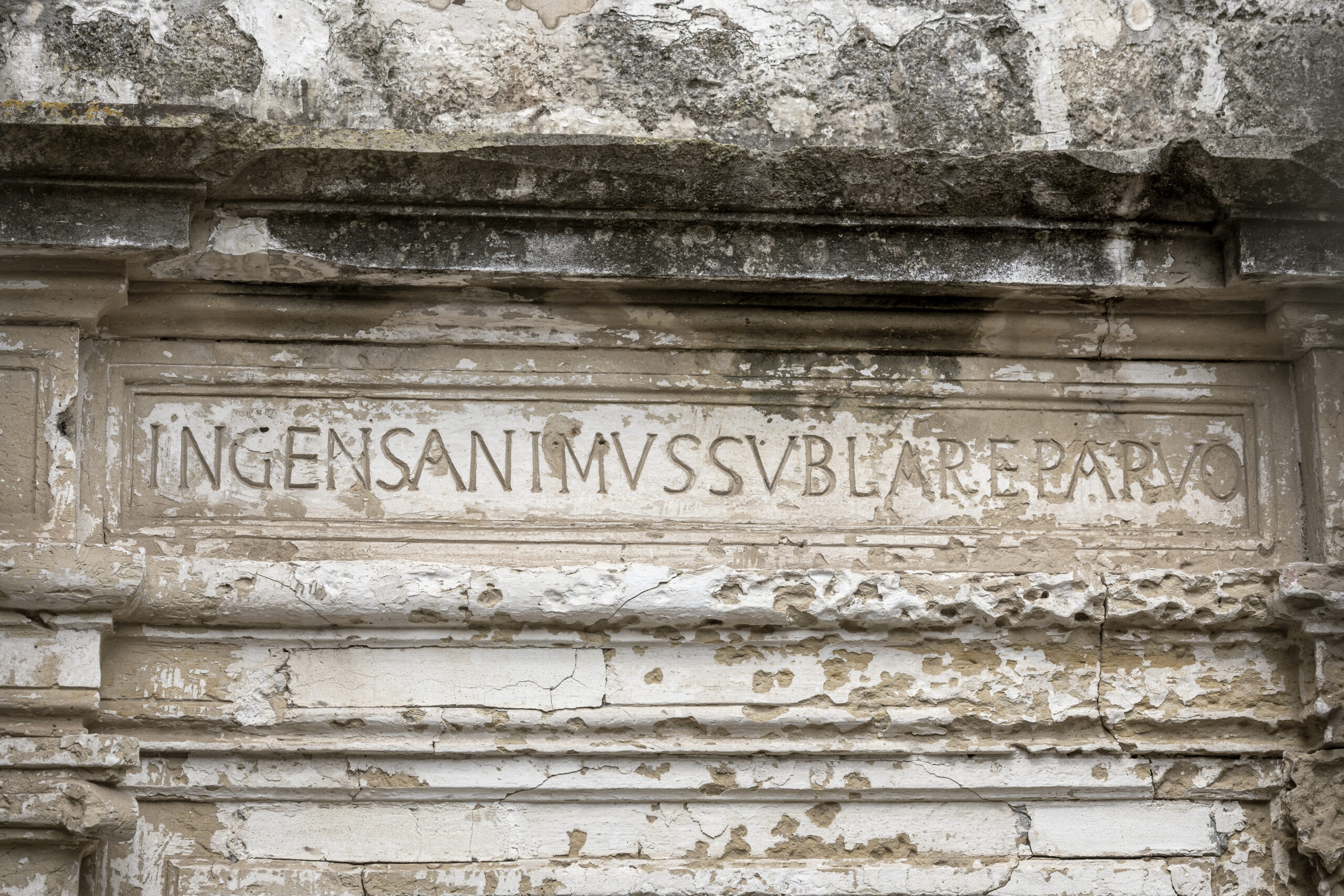
Today, walking through its quiet streets, one can still read this long evolution. Every alley, every courtyard, and every stone tells of a transition: from scattered villages to a centralised community, from fear to security, and from fortification to the representation of power. Borgo Terra is not just the historic centre of Muro Leccese. It is the place where the town learned to become a community. It is the story of a transformation spanning centuries of history, which still lives on today in its orderly streets, the traces of its ancient walls, and the eloquent silence of its stones.