Church of the Immacolata
Fraternal church
Rococo / Late Baroque
Begun in 1735; built in its final form between 1774 and 1785; consecrated in 1787
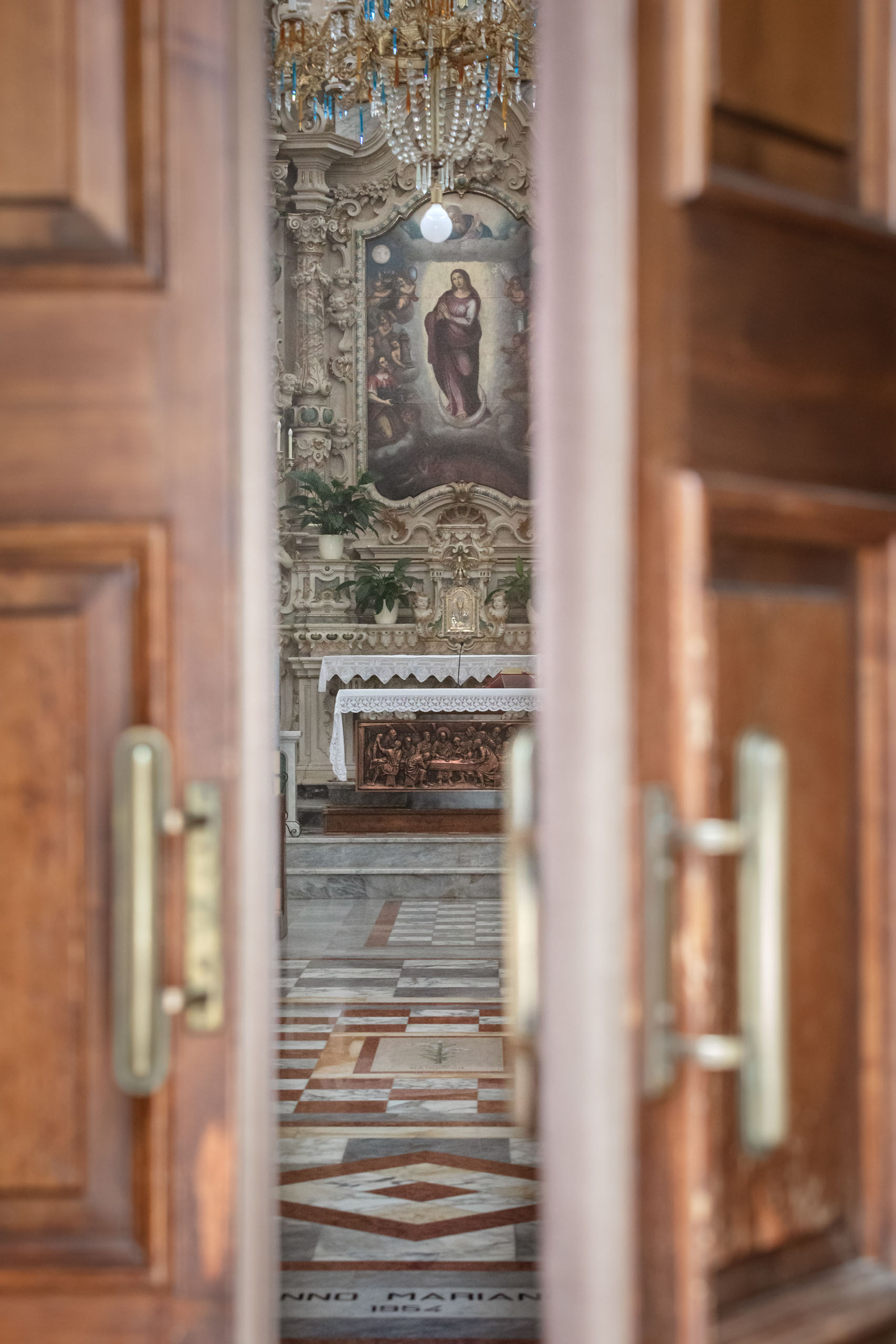
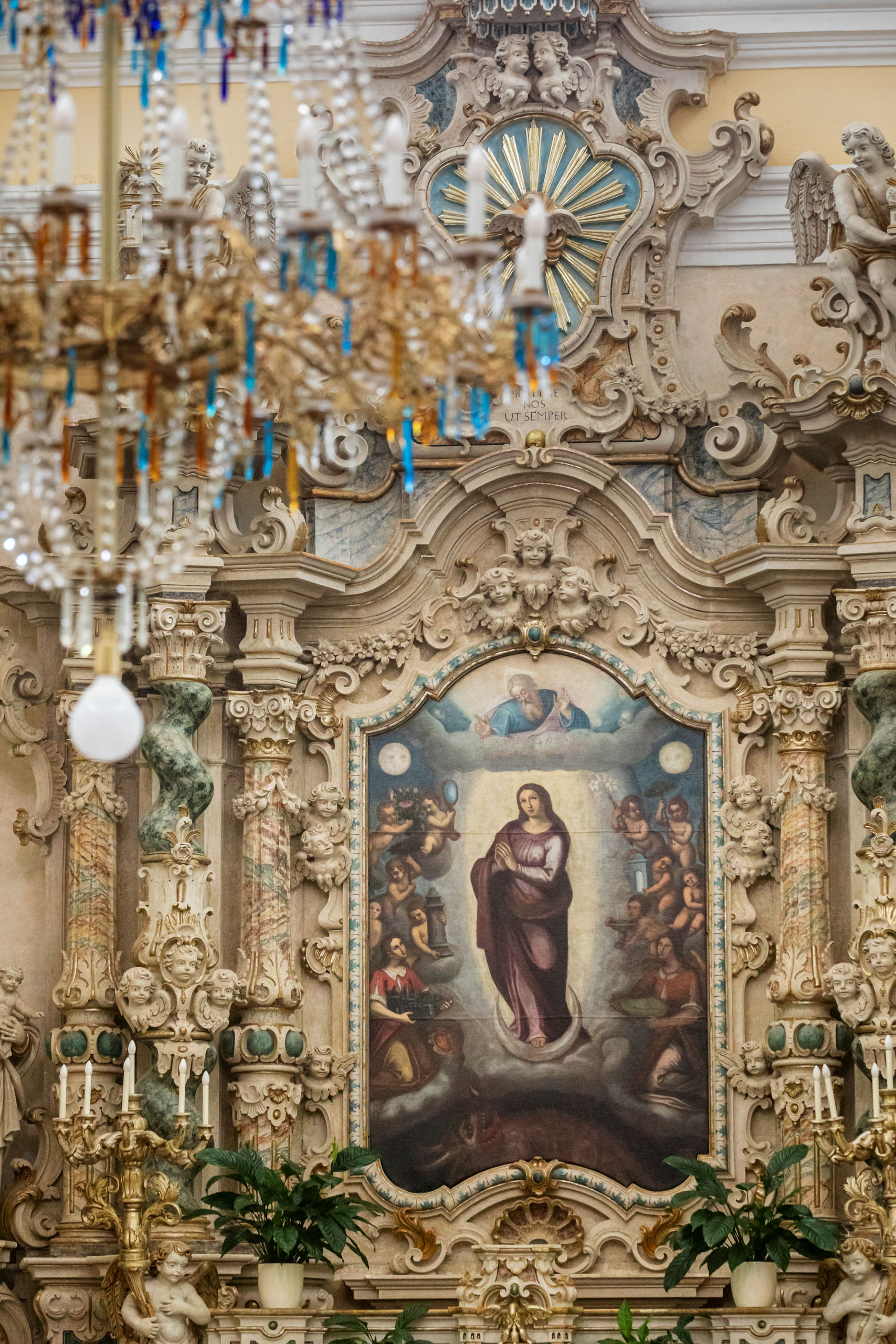
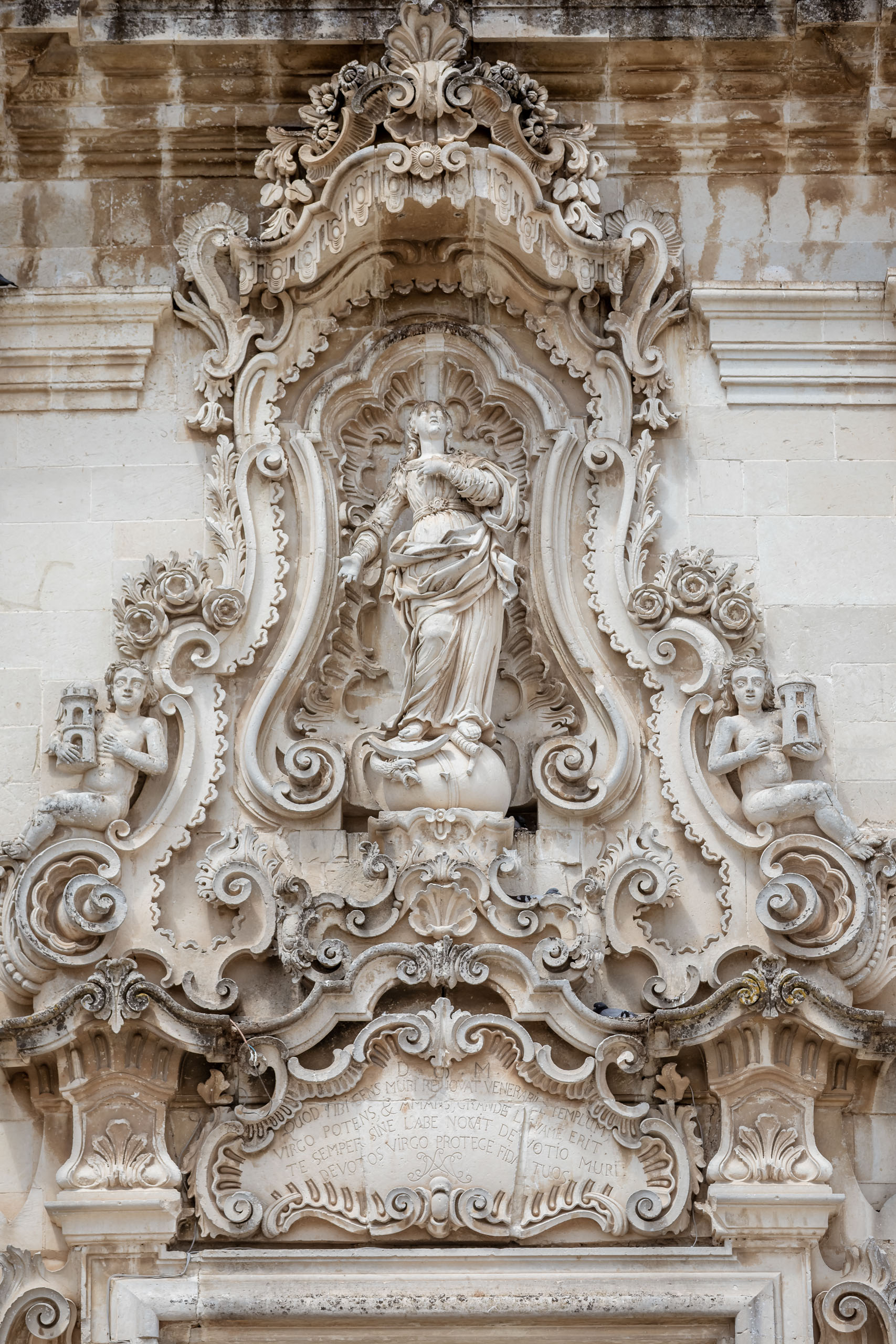
It features a refined single nave with an elliptical plan, embellished with rich stucco decoration. The Rococo-style façade is dominated by the statue of the Immaculate Conception sculpted by Vito Carluccio from Murgia
Its presence today feels natural, almost inevitable. Yet, its construction was anything but peaceful.When, in the eighteenth century, plans were made to build a new and more monumental church dedicated to the Immaculate Conception, not everyone welcomed the idea with enthusiasm. Many inhabitants feared that the new building would compromise the balance of the square, blocking the view of the Mother Church and altering the harmony of the urban space. What we consider today to be two inseparable landmarks were, for a time, the subjects of a heated civic debate.
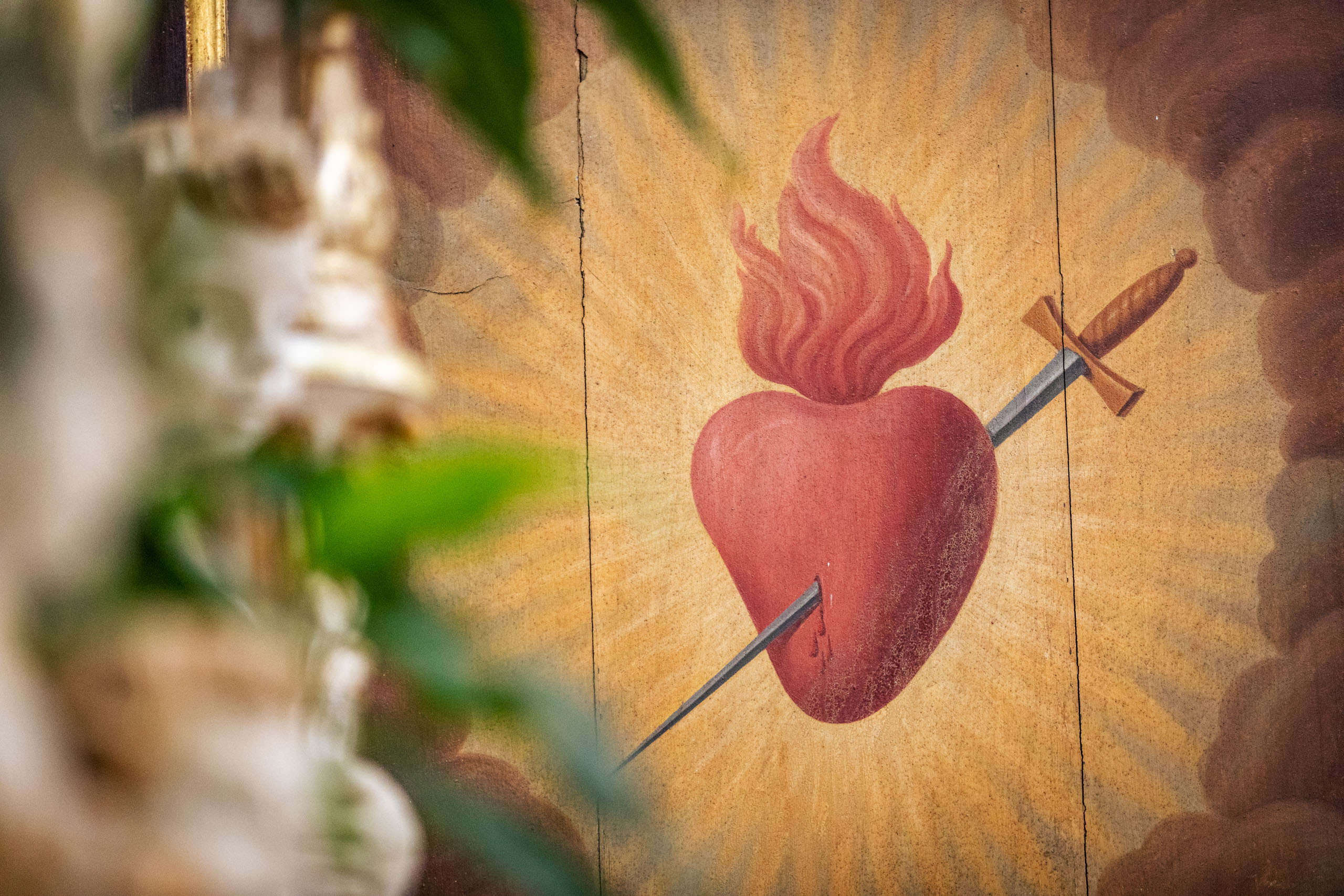
The history of the church, however, had begun much earlier. As early as the first decades of the seventeenth century, a place of worship dedicated to the Immaculate Conception already existed. A few silent traces of that building still survive: a lintel preserved near the side entrance and two ancient reliquaries (lipsanoteche) kept in the sacristy, dated 1646. These are precious fragments that testify to the continuity of a devotion deeply rooted in the community of Muro Leccese.
However, it was during the eighteenth century that the project that would change the face of the
square forever took shape. The initiative came from Caterina Pignatelli, Marchioness of Specchia
and wife of Giovan Battista II Protonobilissimo. The noblewoman allocated four hundred ducats
to the Confraternity of the Immacolata so that a new church could be built, one more befitting the
prestige achieved by the Marian cult and the growing importance of the town. Taking up her
legacy was her son Ottavio Protonobilissimo, who began the construction of the new building in
1735.
The construction dragged on for several decades, reaching its final form between 1774 and 1785.
The consecration eventually took place in 1787, giving the community one of the most refined
expressions of late Baroque and Rococo taste to be found in Muro Leccese.
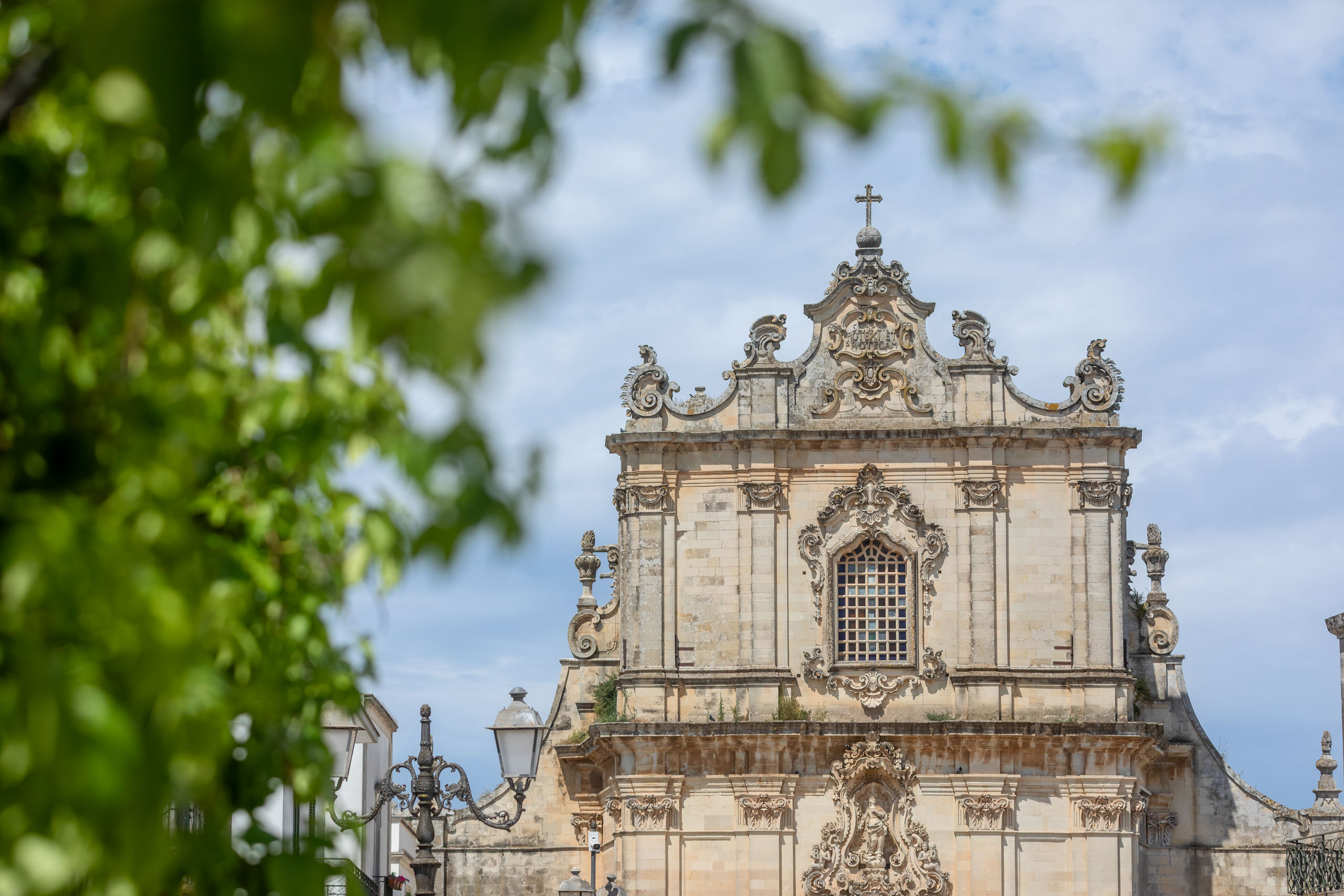
Observing the façade, you immediately grasp the desire to create a building capable of matching
the grandeur of the square. At the centre, inside a dramatic canopy niche, stands the statue of the
Immacolata, sculpted by the local stone carver Vito Carluccio, an artist destined to leave a lasting
mark well beyond the town's borders. A few decades later, he would carve the famous Obelisk of
Lecce. Here, however, his talent reveals itself in a more intimate register, through a Marian
figure of great grace and harmony.
Other local artists and craftsmen also contributed to the completion of the church. The design
and most of the stonework are attributed to Emanuele Orfano, while during the final years of
construction, the local brothers Francesco and Giovanni Chivi stepped in to complete the
building.
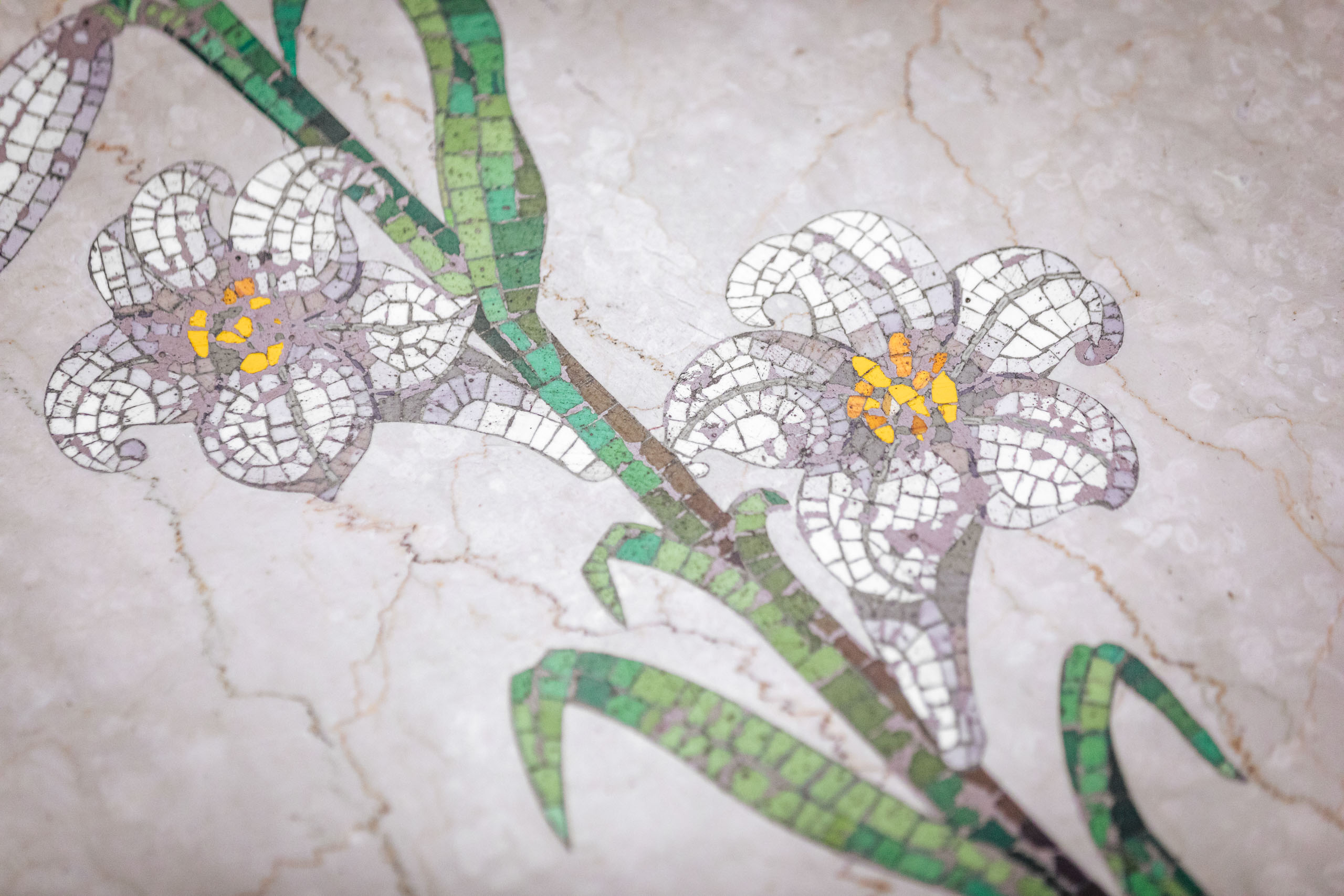
While the exterior impresses with its elegance, the interior surprises with its originality. Unlike
traditional churches with a longitudinal nave, the Immacolata unfolds around a refined elliptical
plan, a solution that gives the space a strong spatial unity and a distinctive sense of movement.
Your gaze is naturally guided towards the centre, while the rich stucco decoration blankets the
surfaces with an almost theatrical lightness. It is a space that feels built to welcome light and
accompany prayer through beauty.
Here too, as in other places in Muro Leccese, history reveals unexpected connections between
different buildings. The high altar, crafted by Emanuele Orfano in 1788, sits alongside a much
older holy water font, dated 1584 and brought from the ancient Dominican Convent. This detail
is a reminder that sacred objects continued to travel through time, finding new homes and new
purposes without losing their symbolic value.
But the transformation of the church did not end with its consecration. In 1820, two large side
arches were added, which still enhance the theatrical presence of the building on the square.
These were not just architectural elements; they functioned as monumental gateways to the
borough, emphasising the church’s role as a symbolic threshold between the town and its most
celebrated public space.
Today, the Church of the Immacolata continues to hold a special place in the imagination of
Muro Leccese. Not only for the quality of its architecture or the excellence of its decorations, but
because it plays a defining role in shaping the very identity of Piazza del Popolo. Together with
the Mother Church of the Annunziata, the Prince's Palace and the Column of the Evangelists, it
contributes to that rare equilibrium between faith, art and urban space that makes the historic
centre of Muro Leccese unlike anywhere else.