Church of Santa Marina
Medieval church
Byzantine with later stratifications
Original nucleus within the 10th century
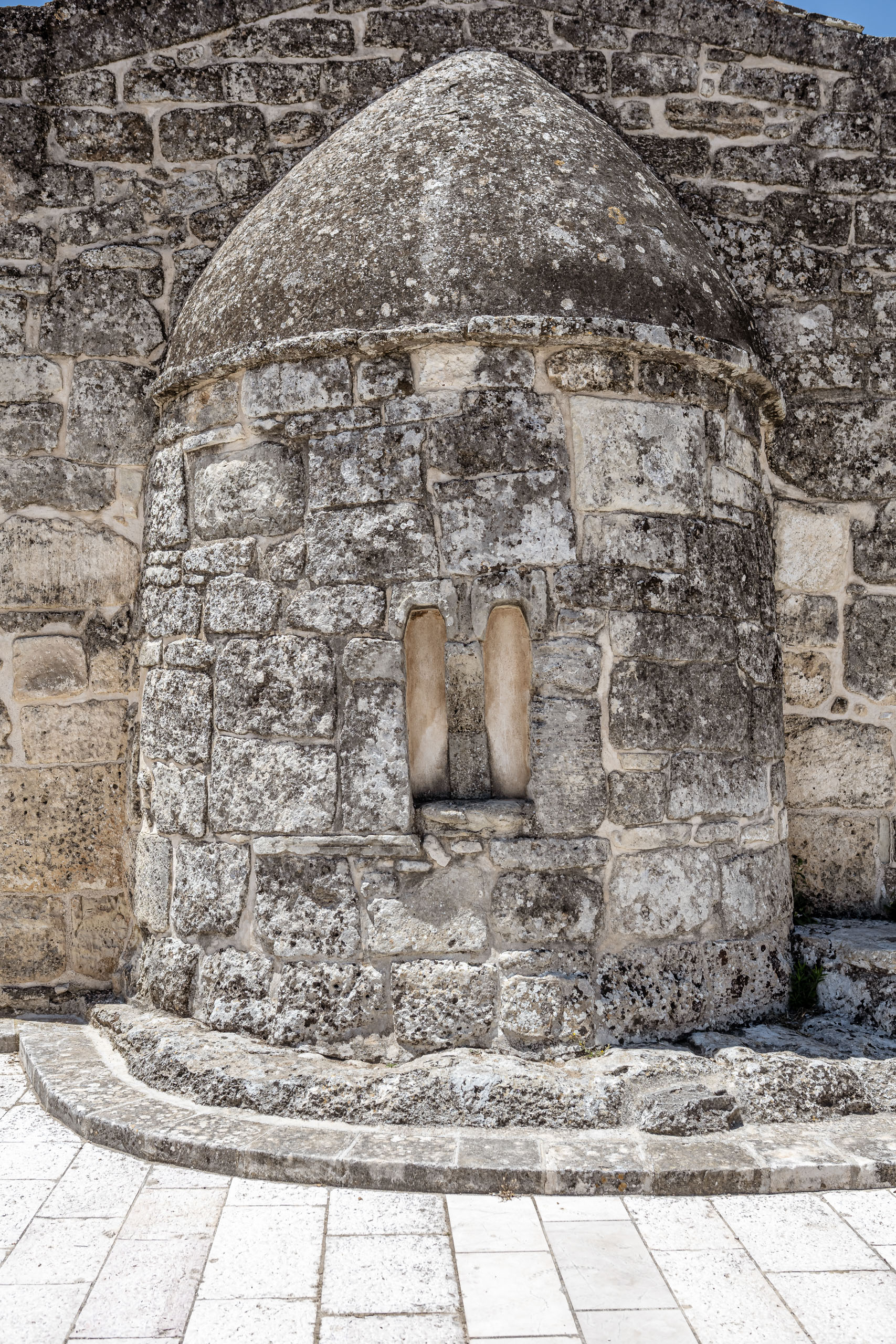
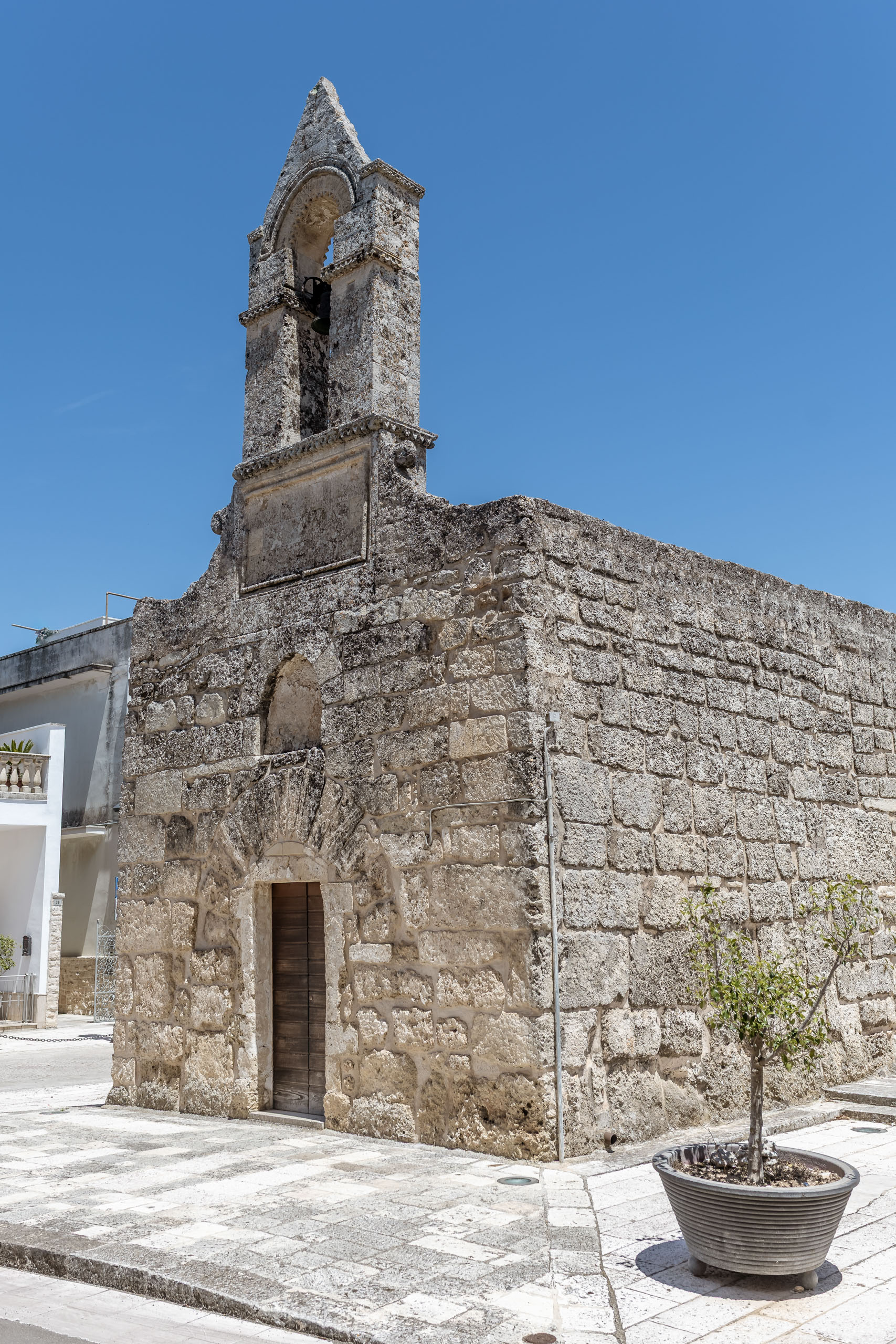
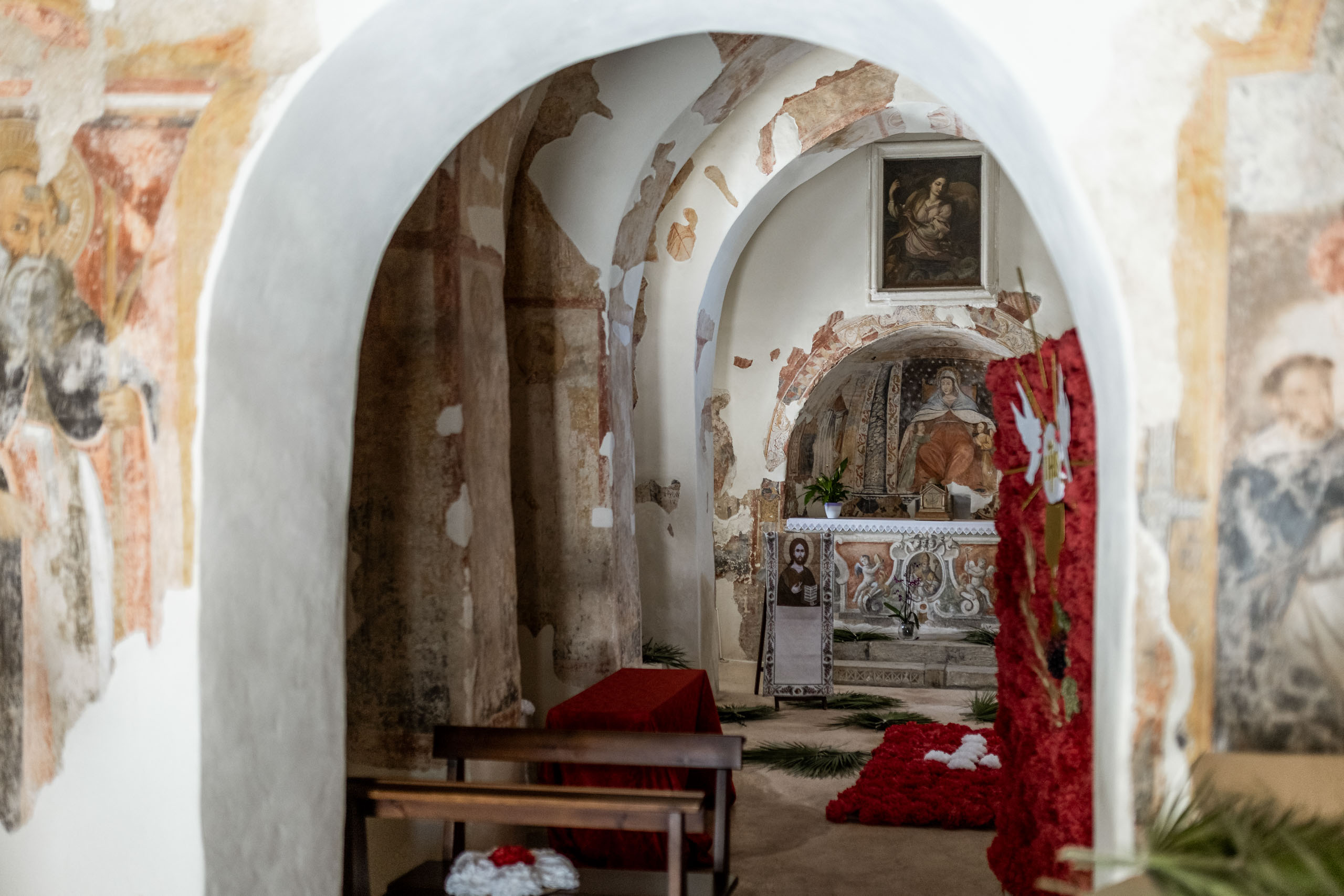
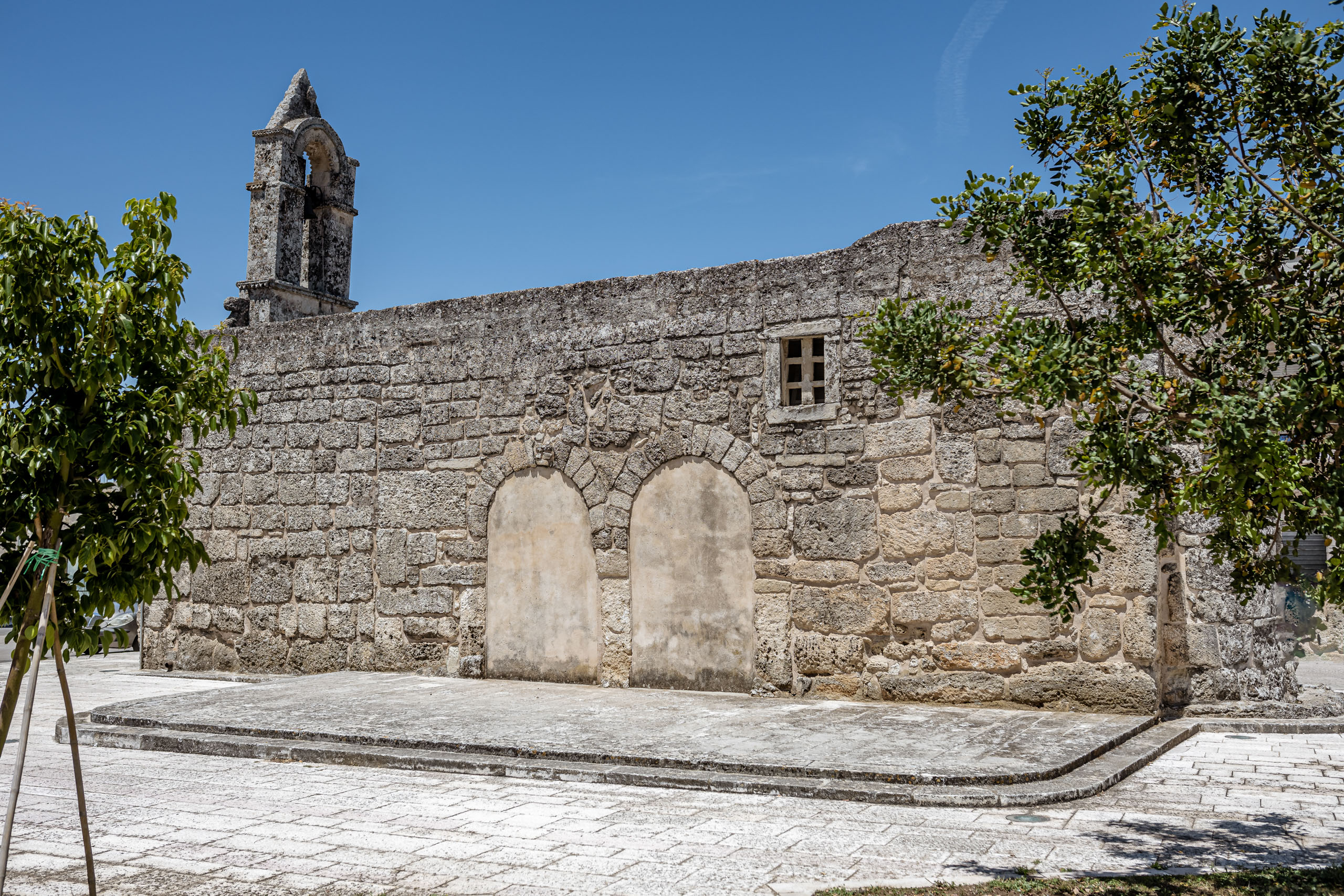
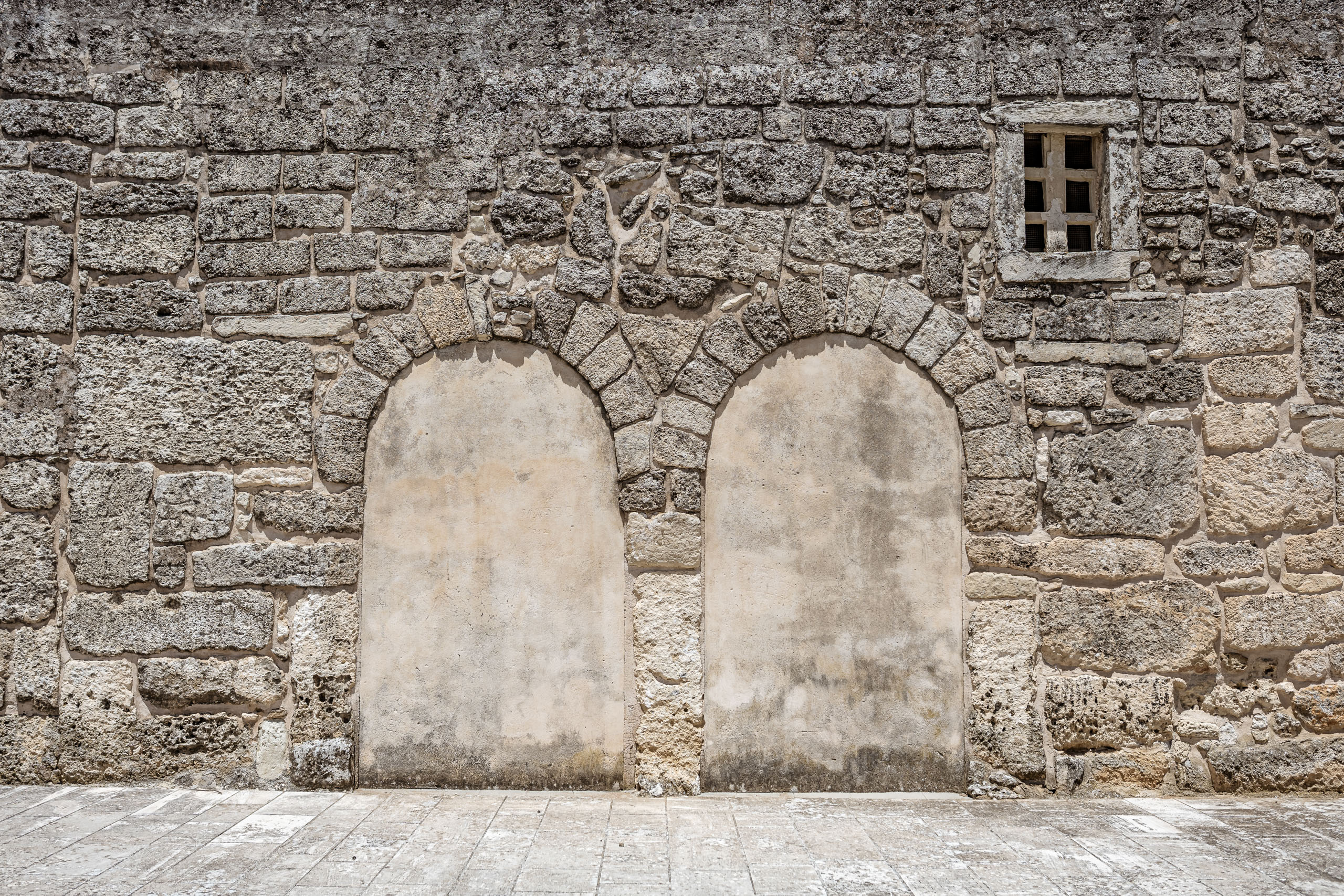
Built with large limestone blocks, likely from the Messapian walls, its walls contain the oldest local pictorial cycle dedicated to Saint Nicholas, dating back to before the transfer of the saint's relics to Bari in 1087.
Its origins date back to the Early Middle Ages, when Salento looked naturally toward the East. Recent studies place the first core of the church around the 10th century, during the long era of the Byzantine presence. At that time, Muro Leccese was already part of a dense network of relationships across the Mediterranean Sea, connecting different cultures, languages and religious traditions. It is no coincidence that this small church was likely originally dedicated to St. Nicholas of Myra, one of the most revered saints of the Christian East. Only later would devotion to Santa Marina prevail, eventually giving the building the current name. But behind this change lies a broader history: a land capable of welcoming different influences without ever losing its own identity.
Its walls are constructed with large blocks of limestone, many of which came from older buildings. Some scholars believe they may have been reused from the Messapian defensive walls. This is an ancient and fascinating practice: stones change their function but continue to live on, carrying fragments of distant eras into the present. Observing the building, you immediately realise that Santa Marina is not the result of a single architectural plan. Rather, it is a construction that grew over time through additions, modifications, adaptations and restorations.
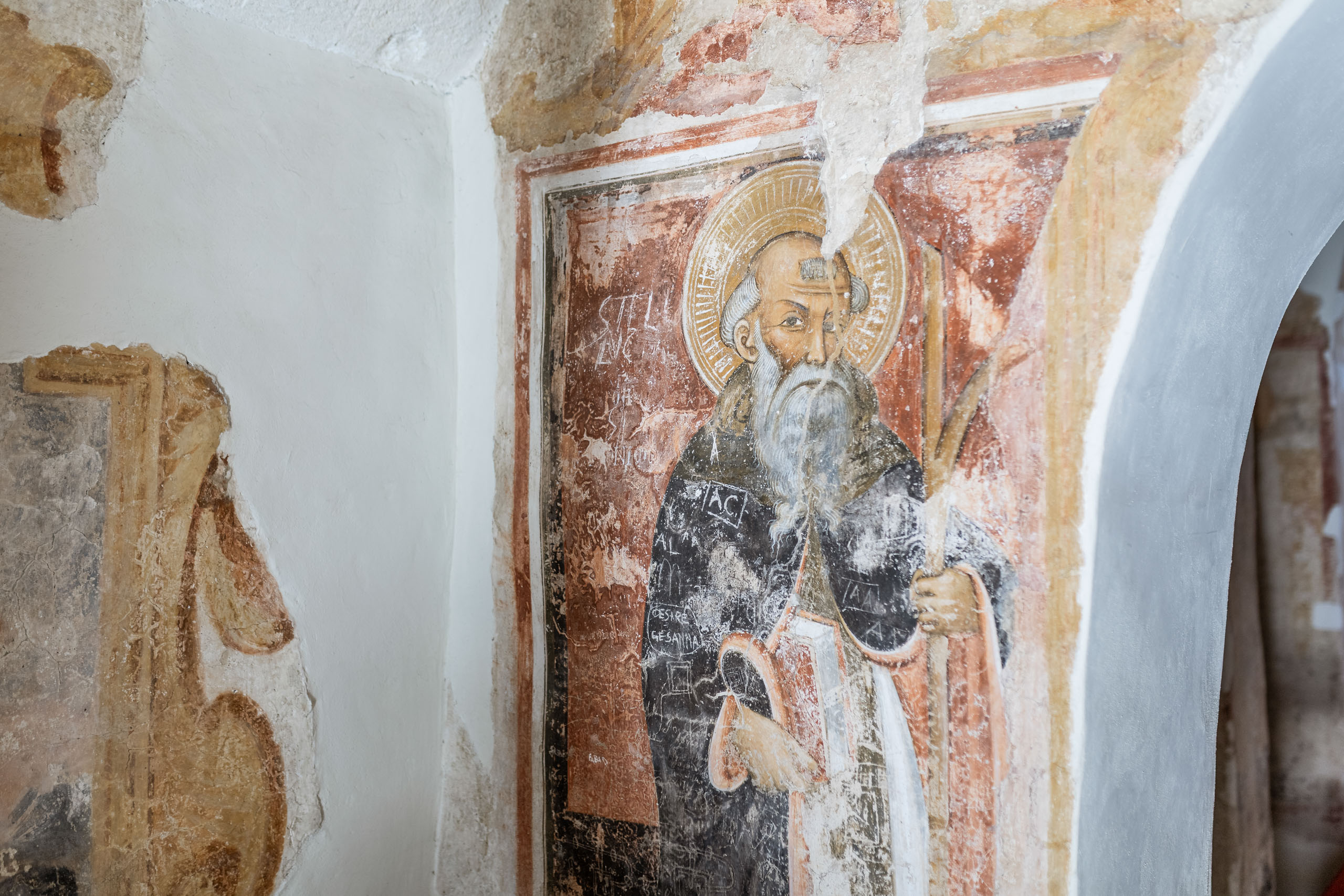
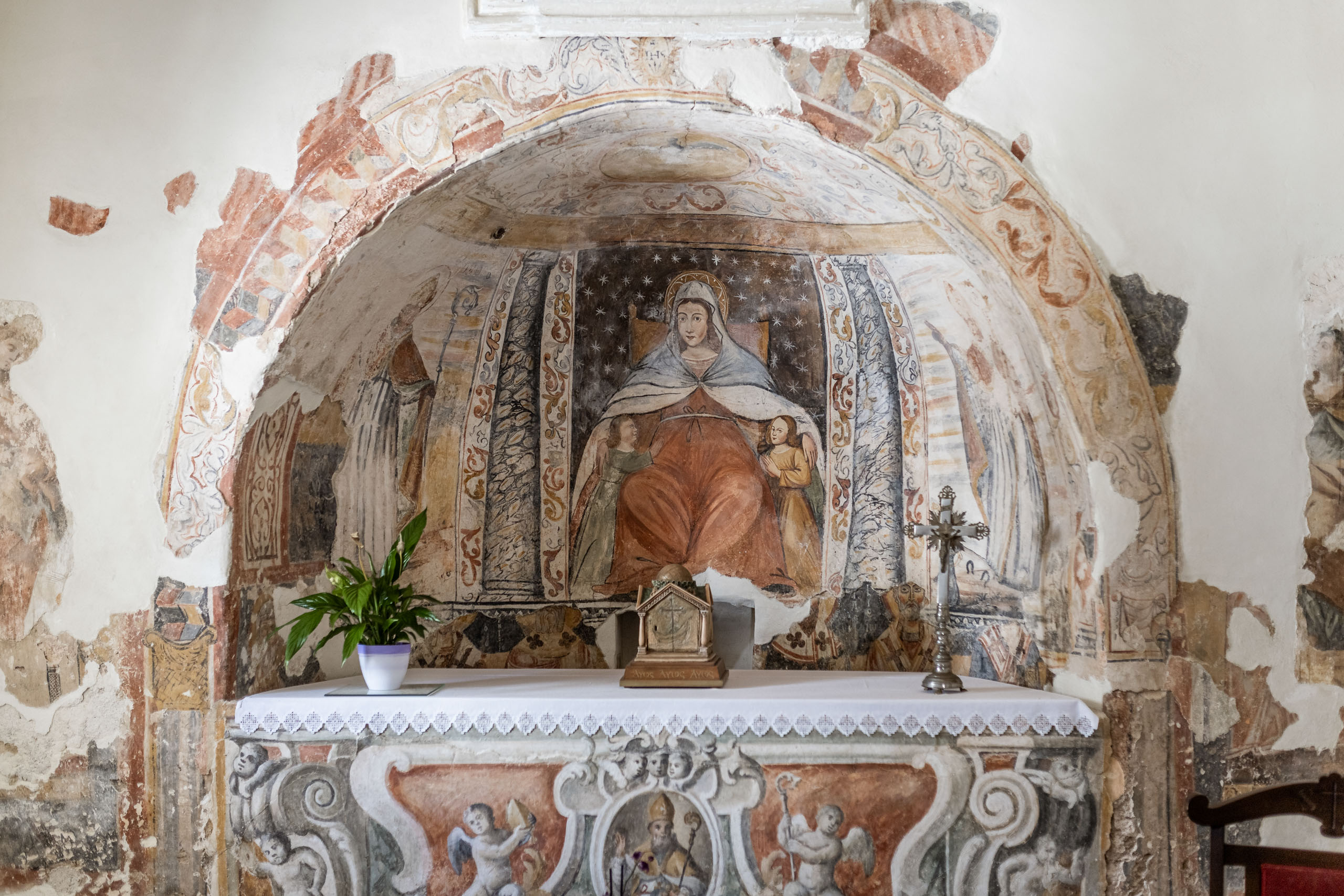
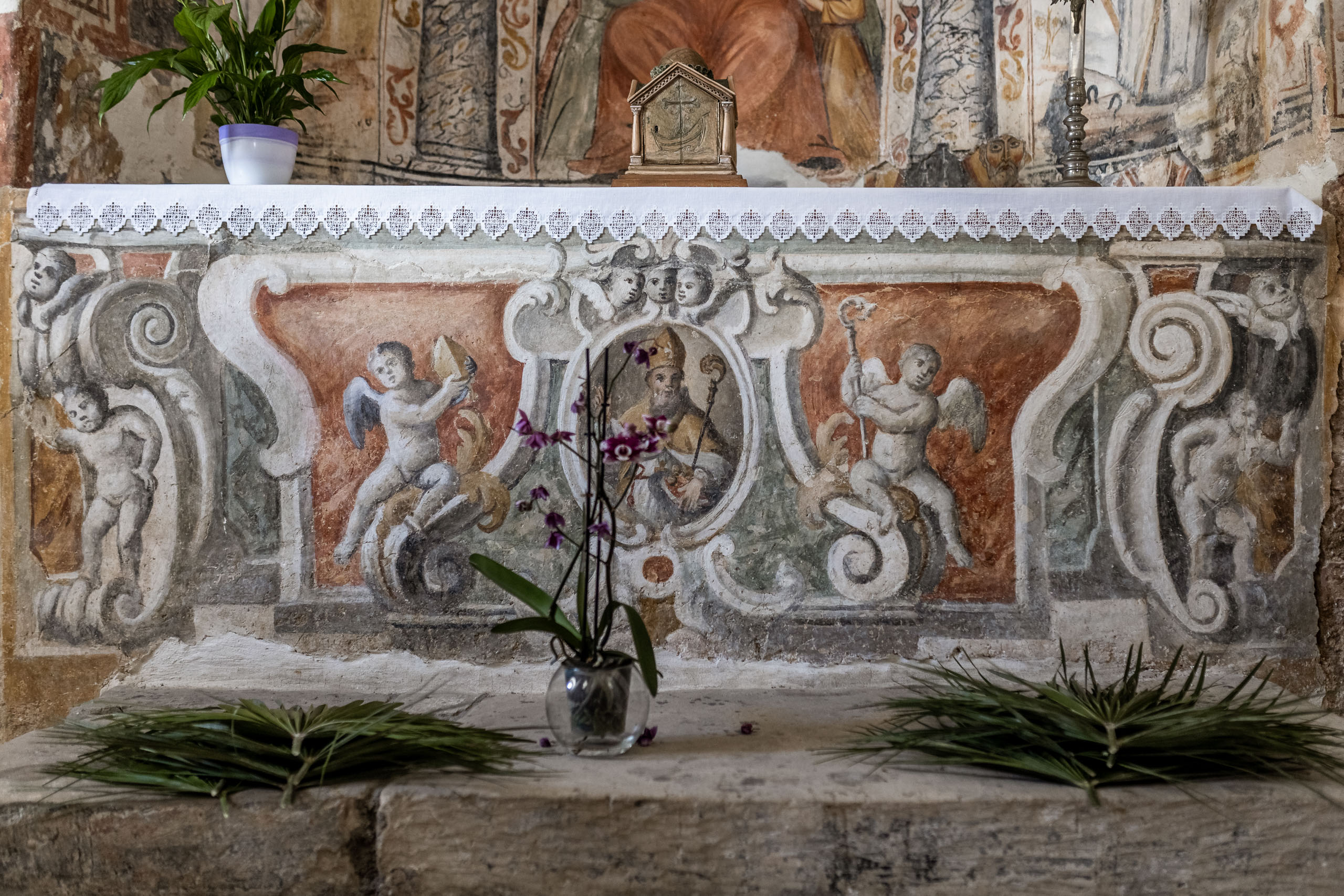
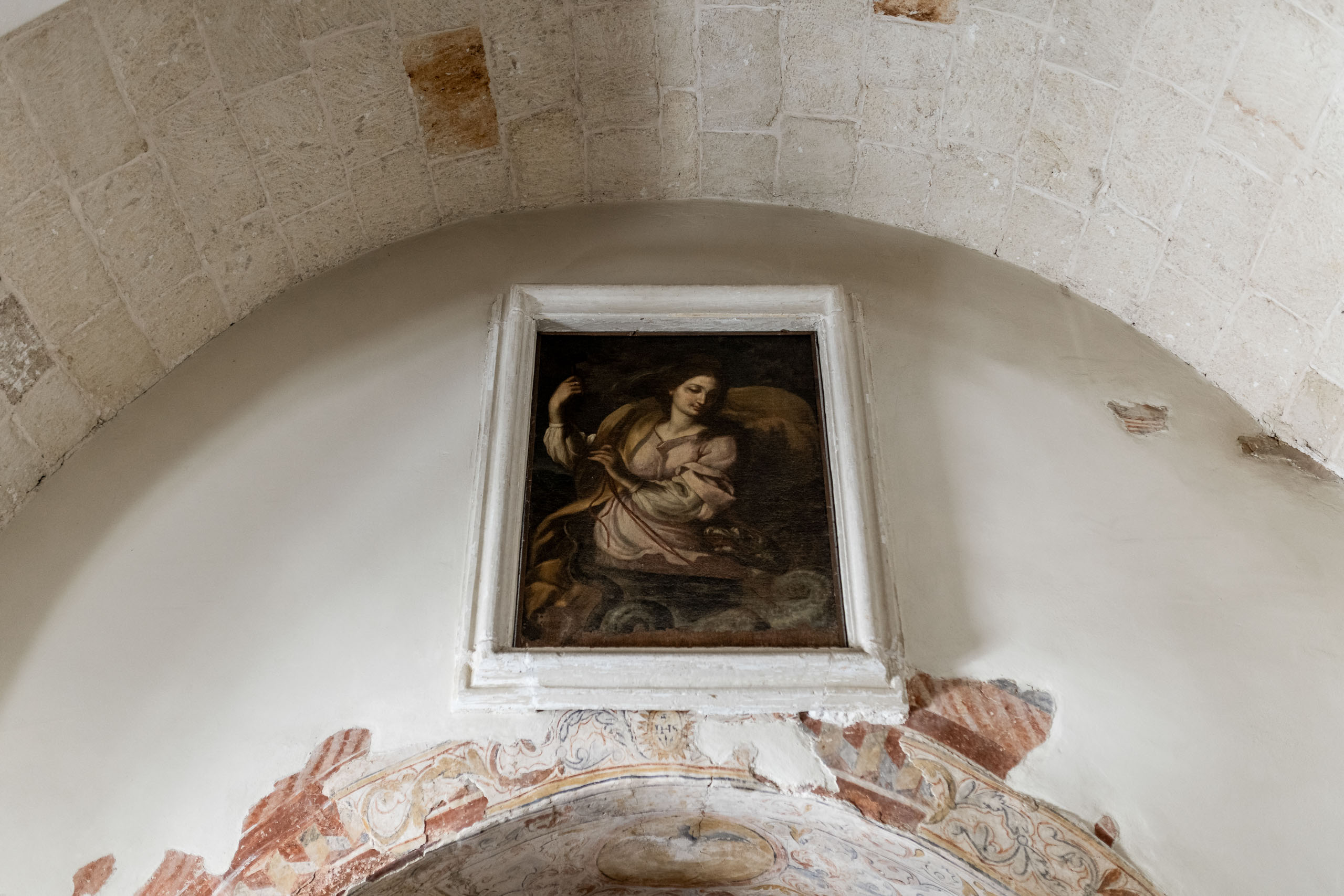
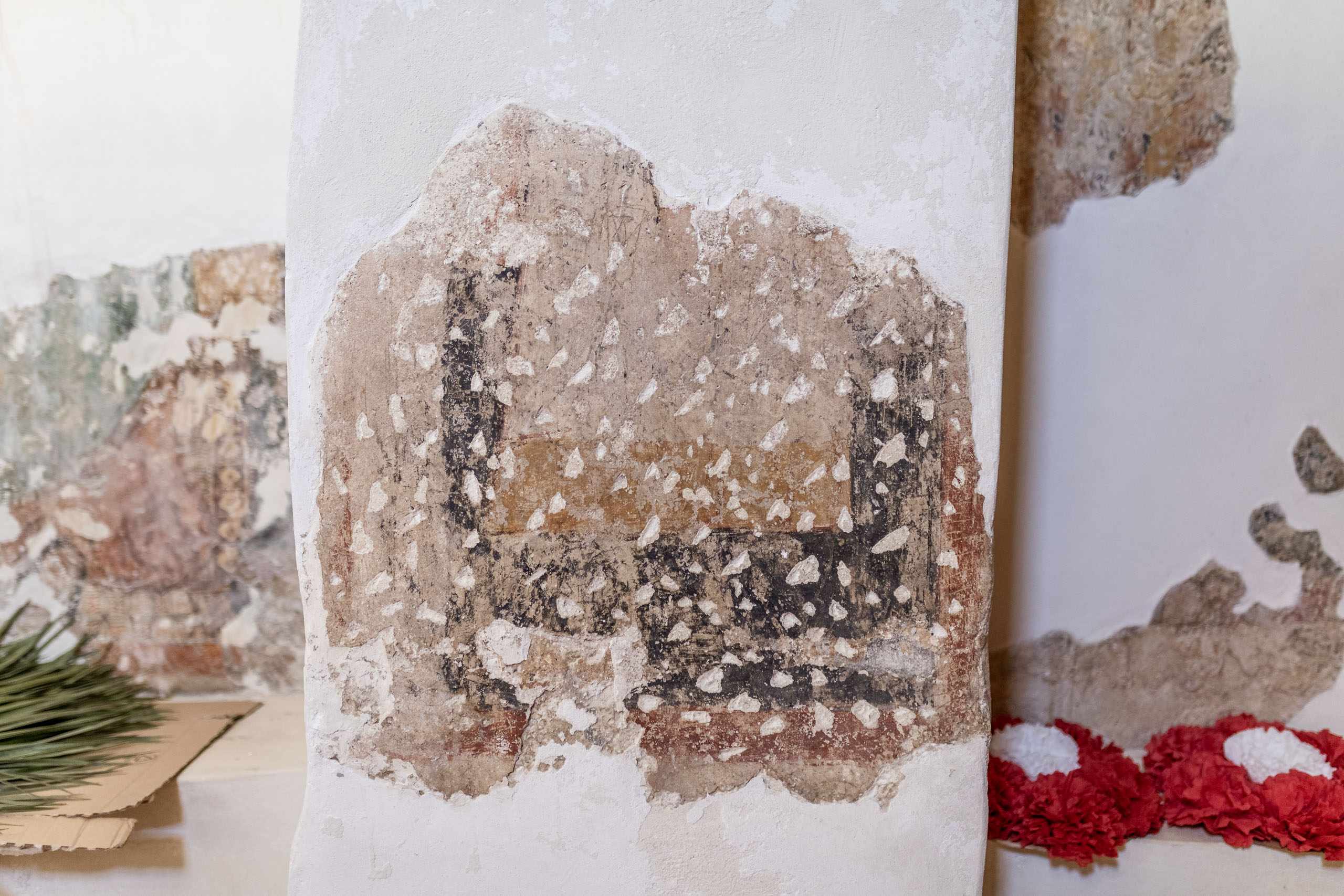
But it is inside that the church reveals its most precious treasure. The walls preserve a corpus of frescoes spanning centuries and reflecting the extraordinary continuity of local devotion. This is not a single, unified pictorial cycle, but a layering of images, figures and sacred narratives that have overlapped over time without completely erasing one another. Fragments of saintly figures, faces of Byzantine bishops, images of the Virgin and scenes from the Christian tradition emerge from the stone like silent apparitions.
Above all, Santa Marina preserves the oldest known pictorial cycle in Muro Leccese dedicated to
St. Nicholas of Myra. This makes the church exceptionally significant, not only for local history
but for the broader heritage of Byzantine culture across the Mediterranean.
Across the great arches unfolds the narrative of the saint's life and miracles: from his
consecration as a deacon to his investiture as a bishop. The scenes belong to an ancient
hagiographical cycle, painted even before the famous translation of the saint's relics from Myra
to Bari in 1087. This makes the paintings all the more remarkable, testifying to a devotion
already deeply rooted in the Terra d’Otranto before Bari became the globally recognised
pre-eminent centre of the St. Nicholas cult.
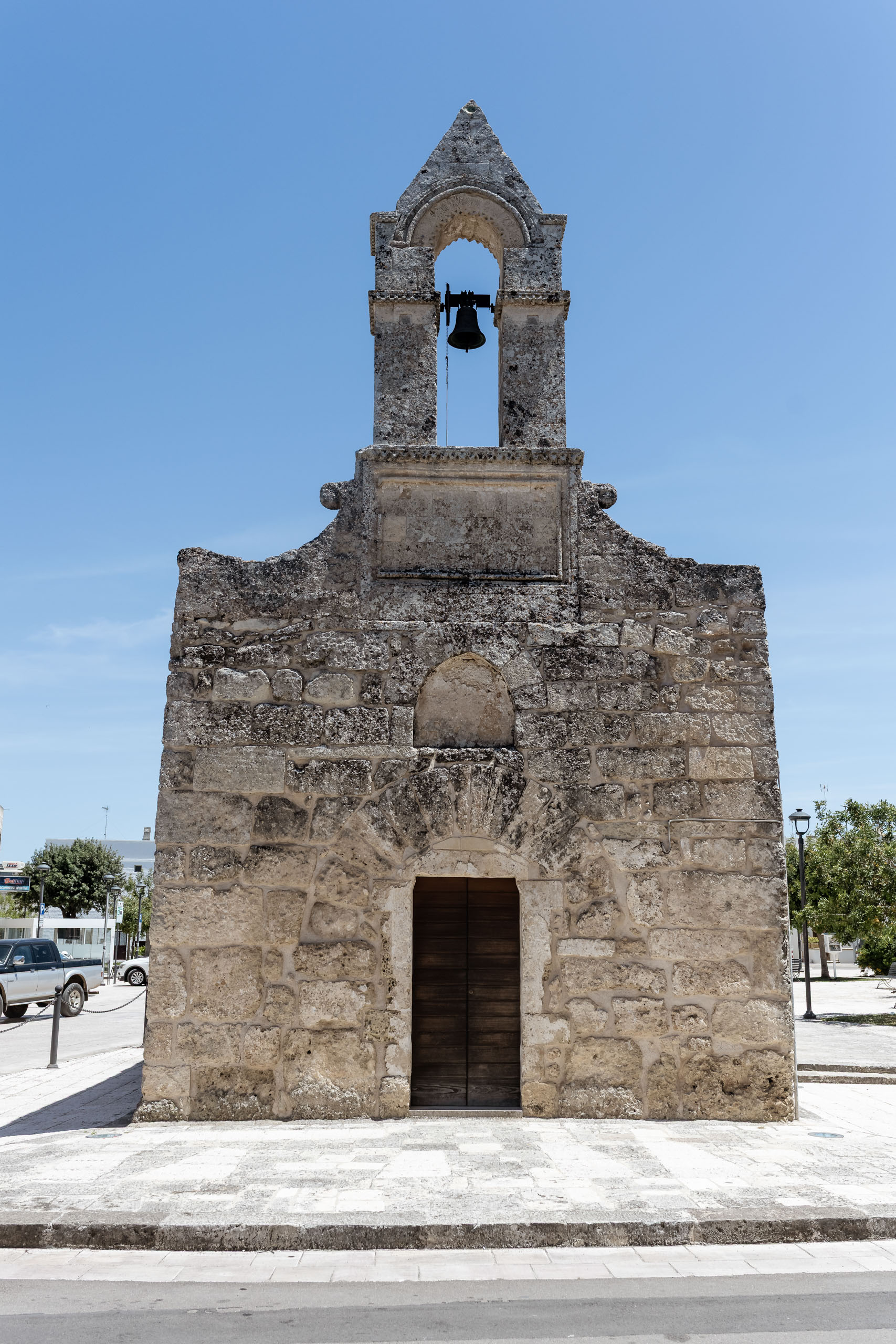
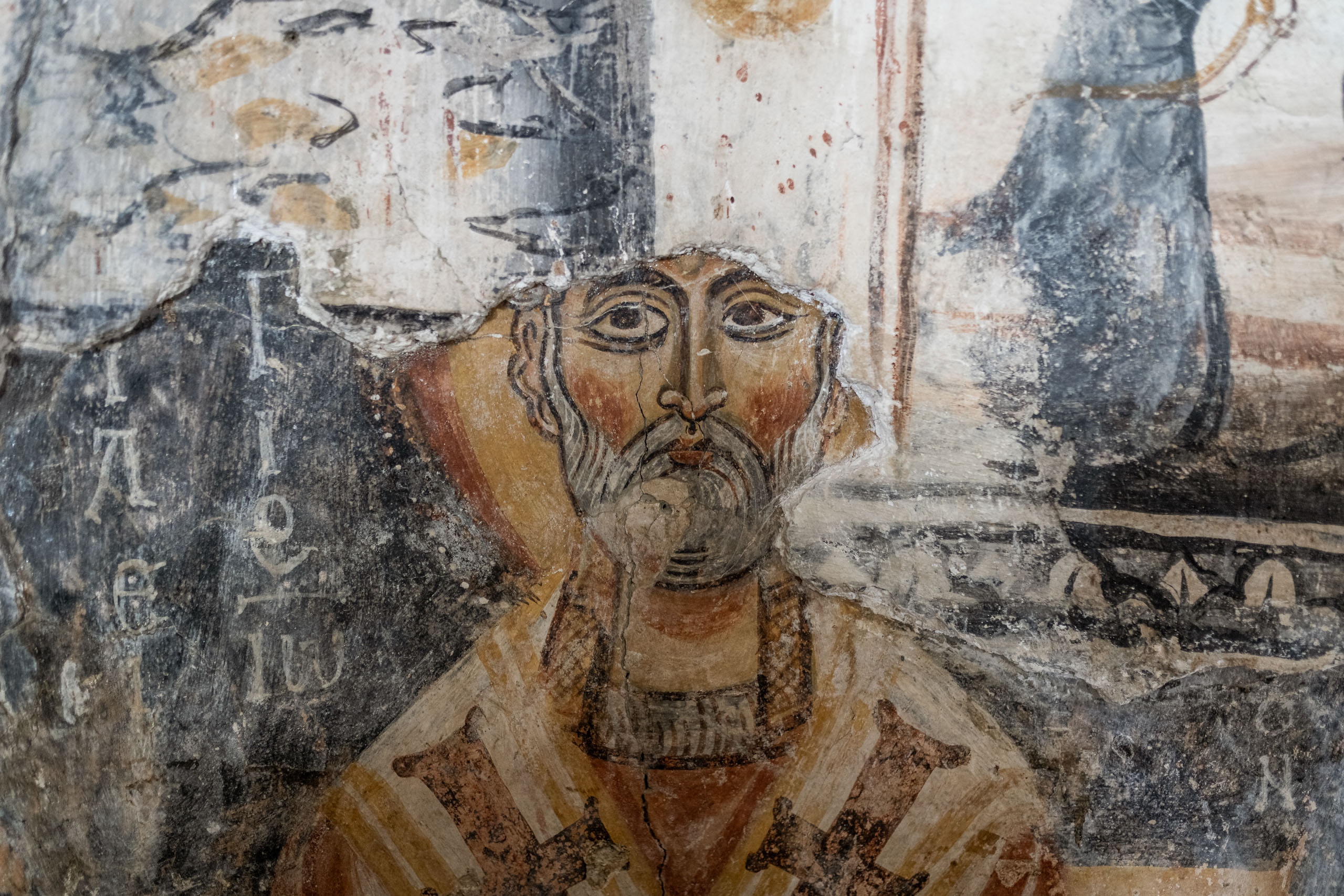
In front of these frescoes, it becomes clear that Santa Marina is far more than a simple church: it is a true crossroads of the Mediterranean. Here, East and West meet: Byzantine spirituality enters into dialogue with Latin tradition. Images travel alongside the people, ideas and devotions that crossed the sea for centuries.
Alongside the spiritual dimension, the everyday also emerges. Archaeological excavations have brought to light a burial area connected to the church, used across long periods of its history. The unearthed graves tell of a community gathered around its sacred building, where prayer, the memory of the deceased and collective life found a single centre. For centuries, the inhabitants of Muro Leccese continued to visit, maintain and venerate this place. Santa Marina was never perceived as a mere relic of the past. It remained alive in the community's living memory. The festivals, the devotion, the care lavished on the building over generations — all speak of a bond that still unites the people of Muro Leccese with their church today. It is a rare and precious continuity.
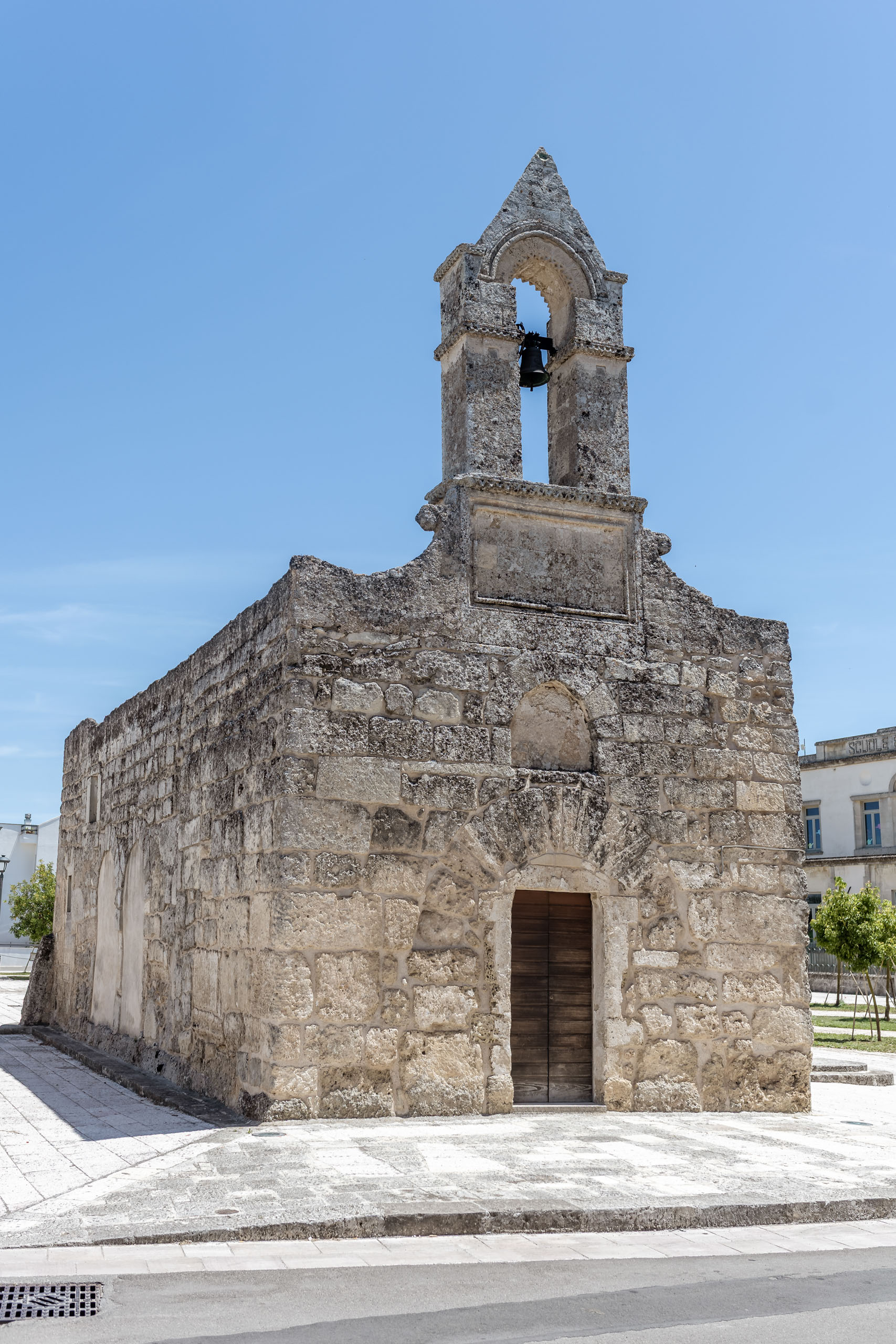
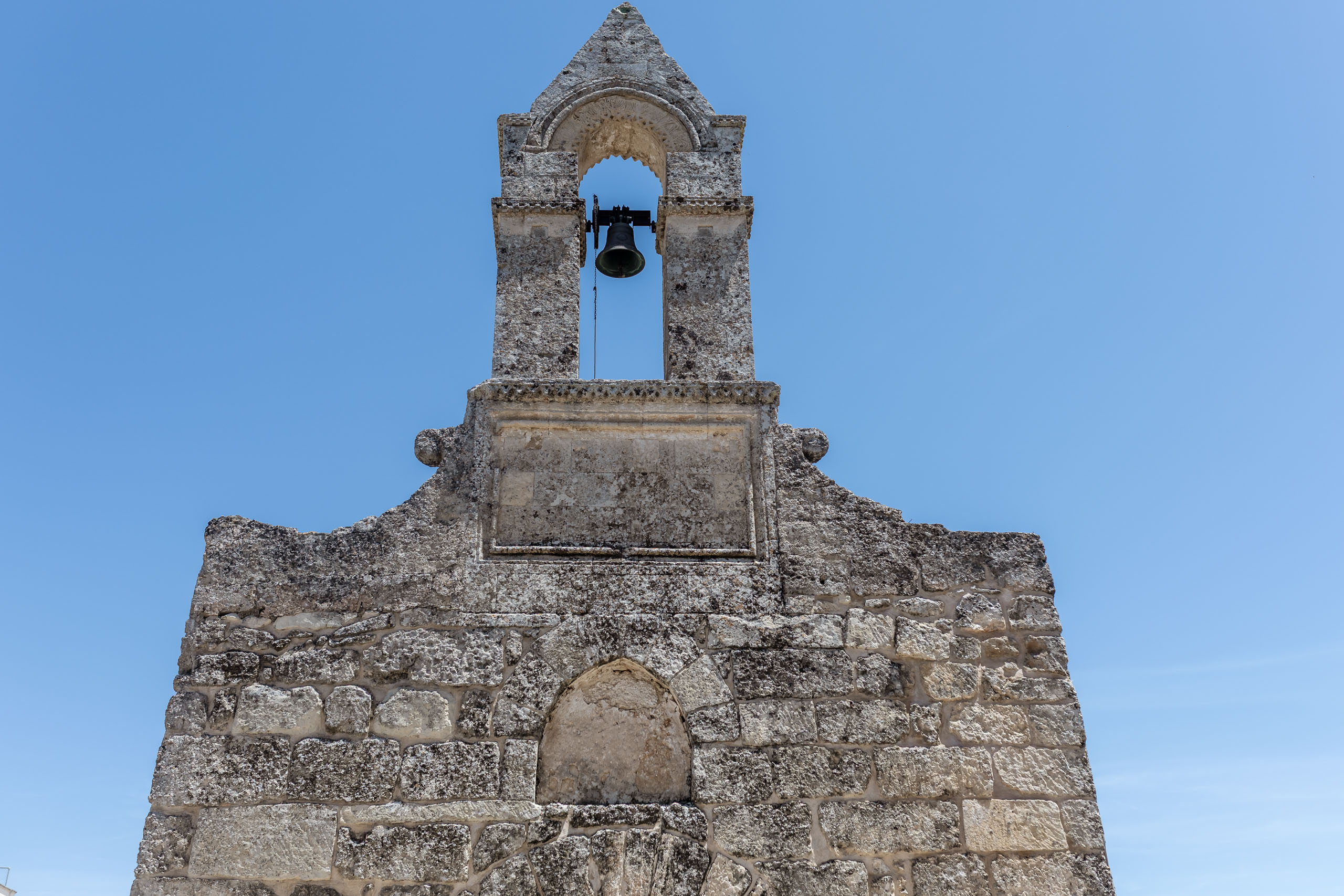
Visiting Santa Marina therefore means journeying through over a thousand years of history. It means coming into contact with the medieval roots of Muro Leccese, the persistence of Byzantine culture, the devotion to St. Nicholas and Santa Marina, the sacred art that accompanied generations of the faithful, and the memory of a community that continues to find itself reflected in this place. Small yet grand, Santa Marina guards an immense history, made of stone, images, faith and the Mediterranean. And perhaps that is precisely its magic: telling the story of the entire world within such an intimate space.