The Dominican Convent
Convent complex with church
Renaissance with Baroque additions
1561–1583
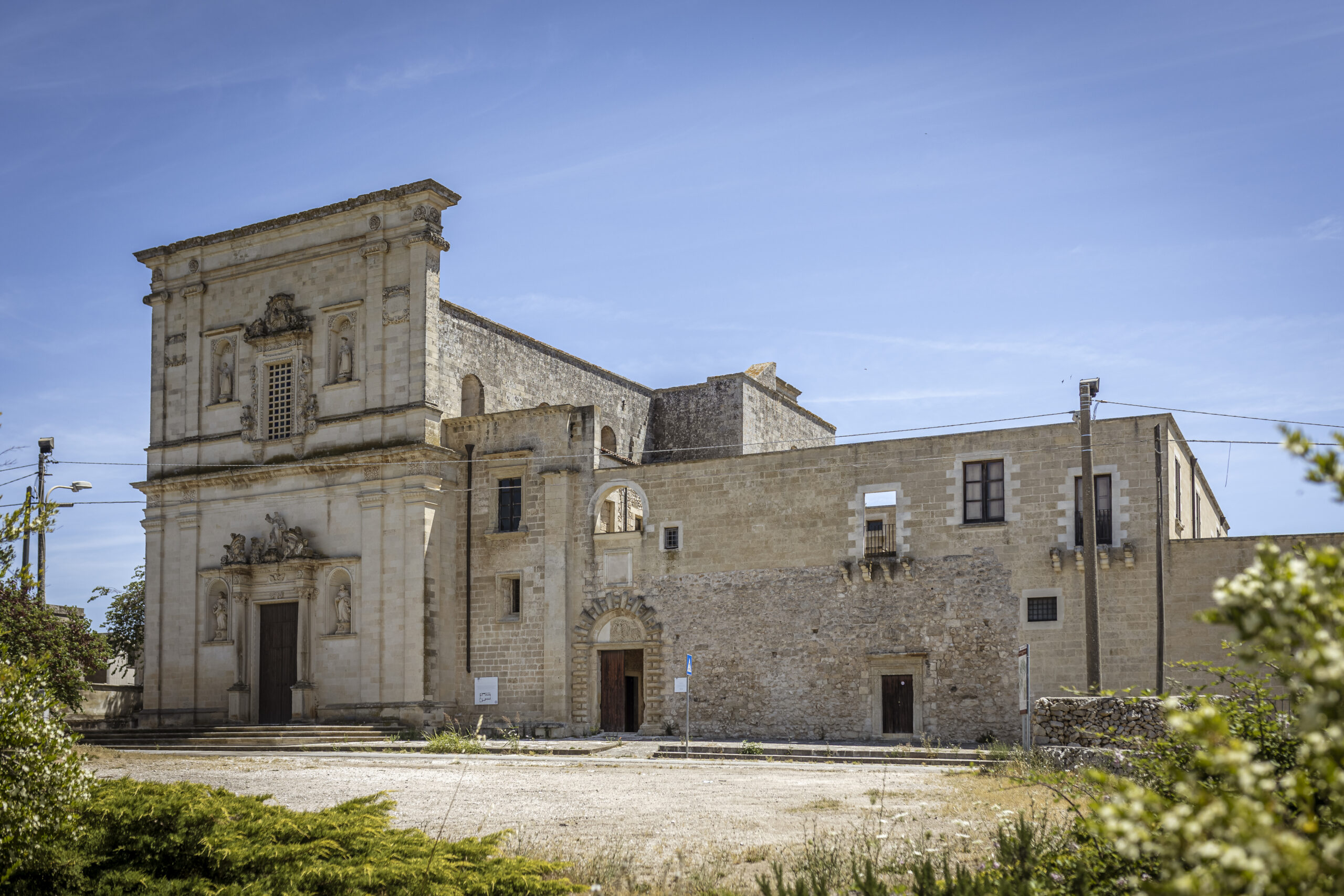
The complex was commissioned by Giovan Battista I Protonobilissimo, and the design is attributed to Giovanni Maria Tarantino of Nardò. The single-nave Church of the Holy Spirit is one of the most significant examples of Salento Renaissance architecture in the style of the mendicant orders. The convent was home to the Accademia degli Eclissati in 1732, becoming an important cultural center for the lower Salento area. After the Napoleonic suppression of 1809, it gradually fell into neglect, until its restoration in 1996 on the occasion of the meeting of the Council of Ministers of Agriculture of the European Union, which restored its clarity and dignity.
This place was born in the heart of the sixteenth century, during a time when Muro Leccese was experiencing a season of transformation and prestige. It was Prince Giovan Battista I Protonobilissimo who commissioned the construction of the convent in 1561, choosing an area that already held a profound, almost sacred, memory. Indeed, long before the Dominicans arrived, the Basilian monastery of San Zaccaria stood here. It was linked to the great Monastery of San Nicola di Casole in Otranto (one of the most important cultural centres of the medieval Mediterranean), which was destroyed by the Turks in 1481. It is as if this place was born twice: first in the silence of Basilian spirituality, later in the Renaissance monumentality of the new Dominican convent.
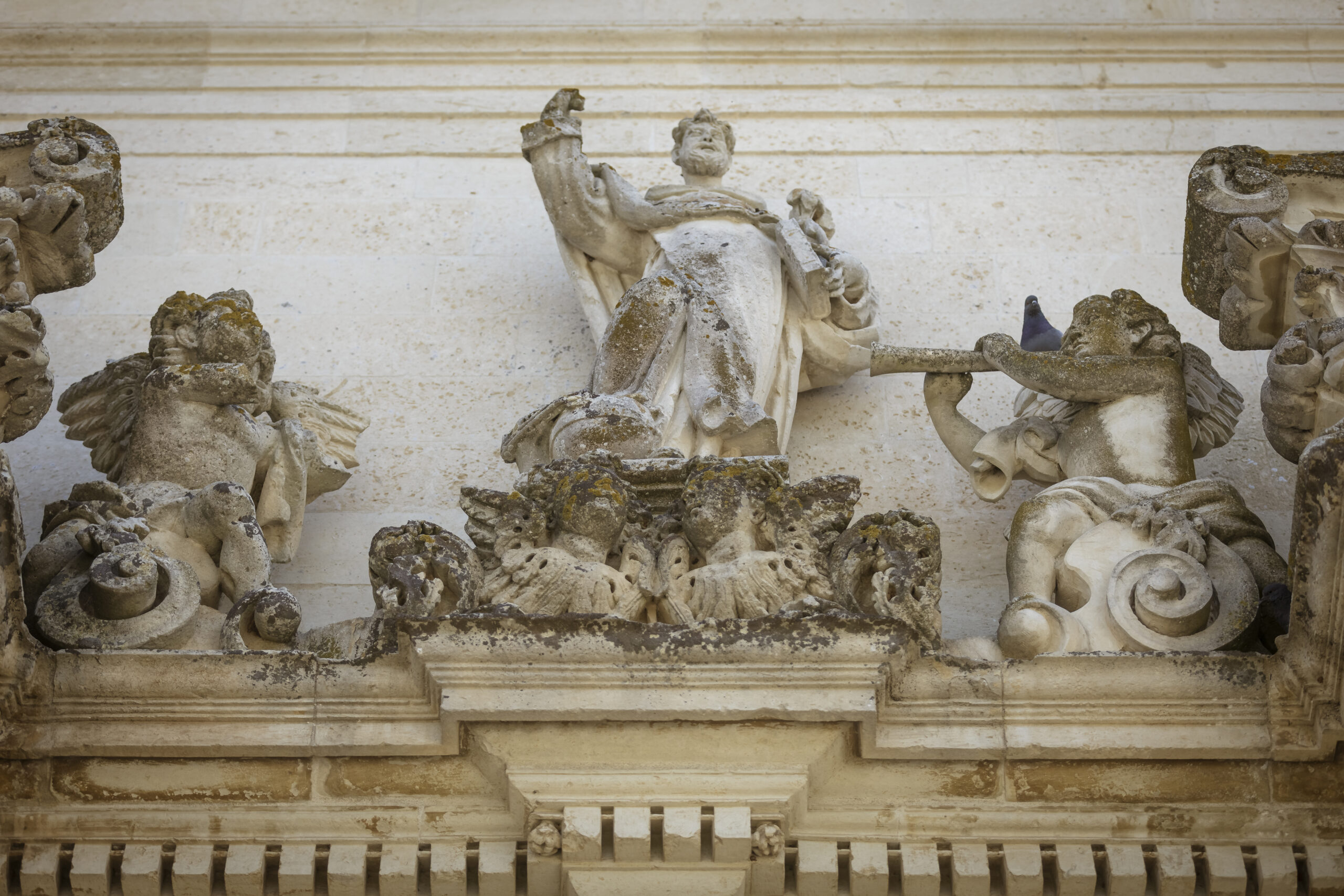
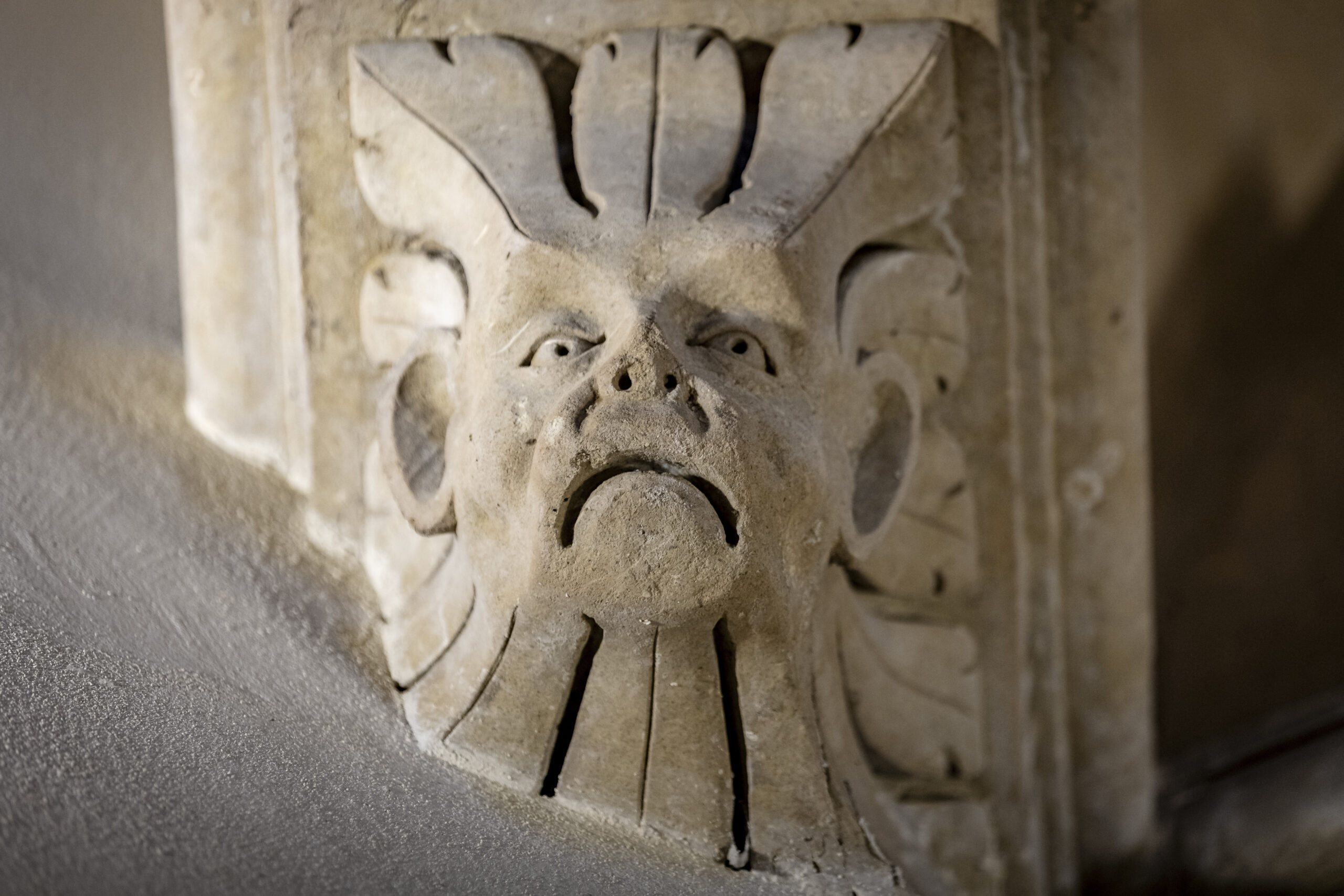
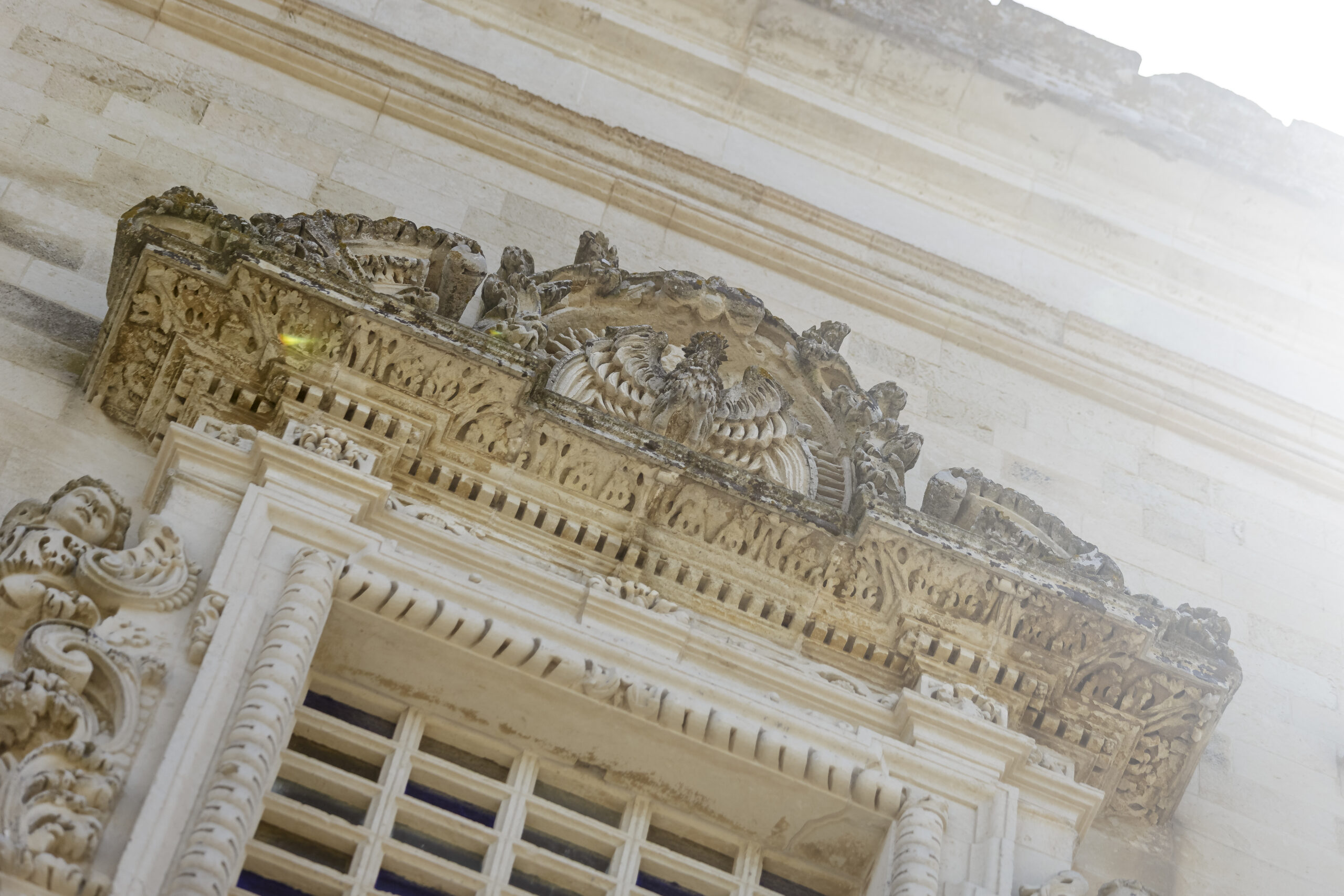
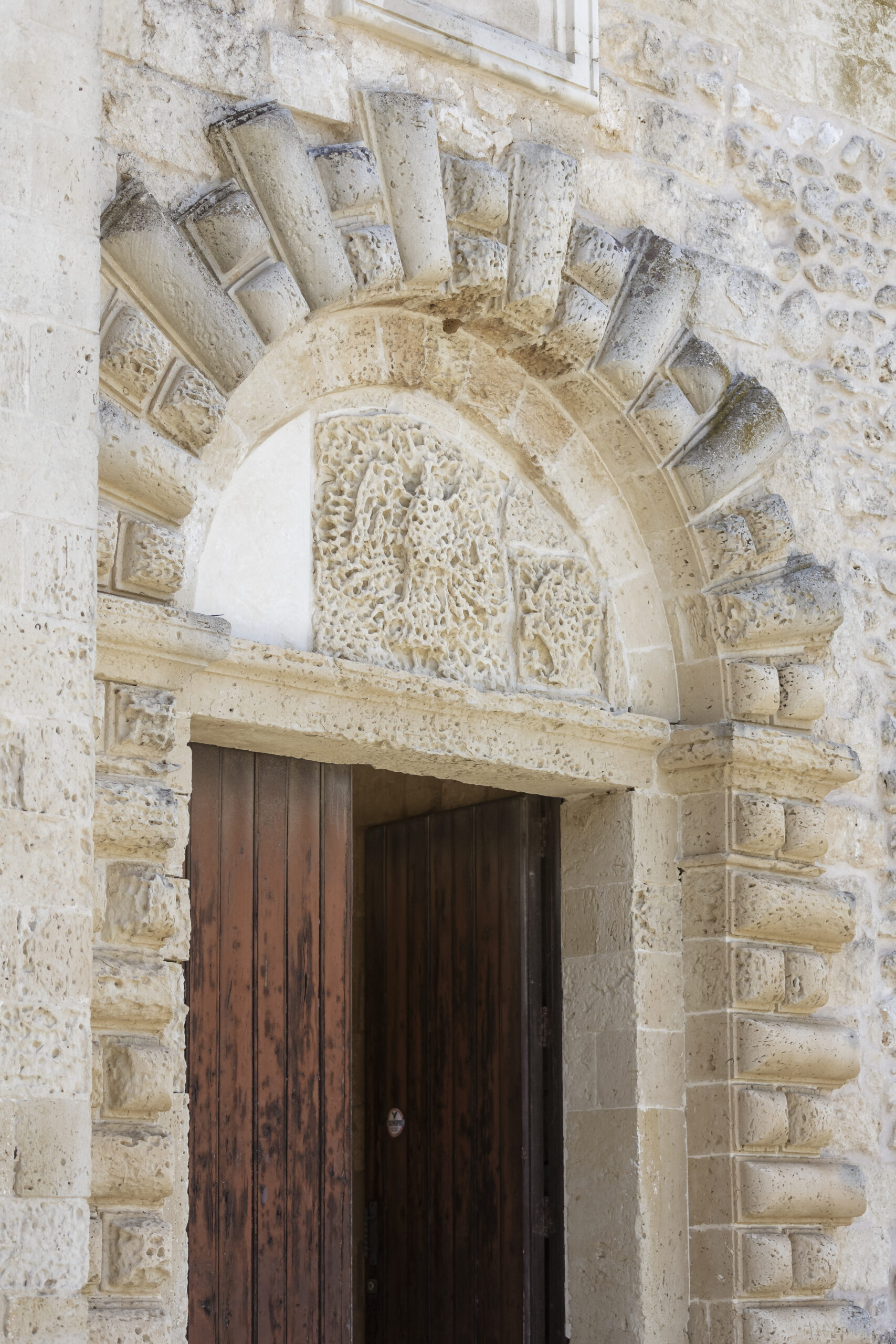
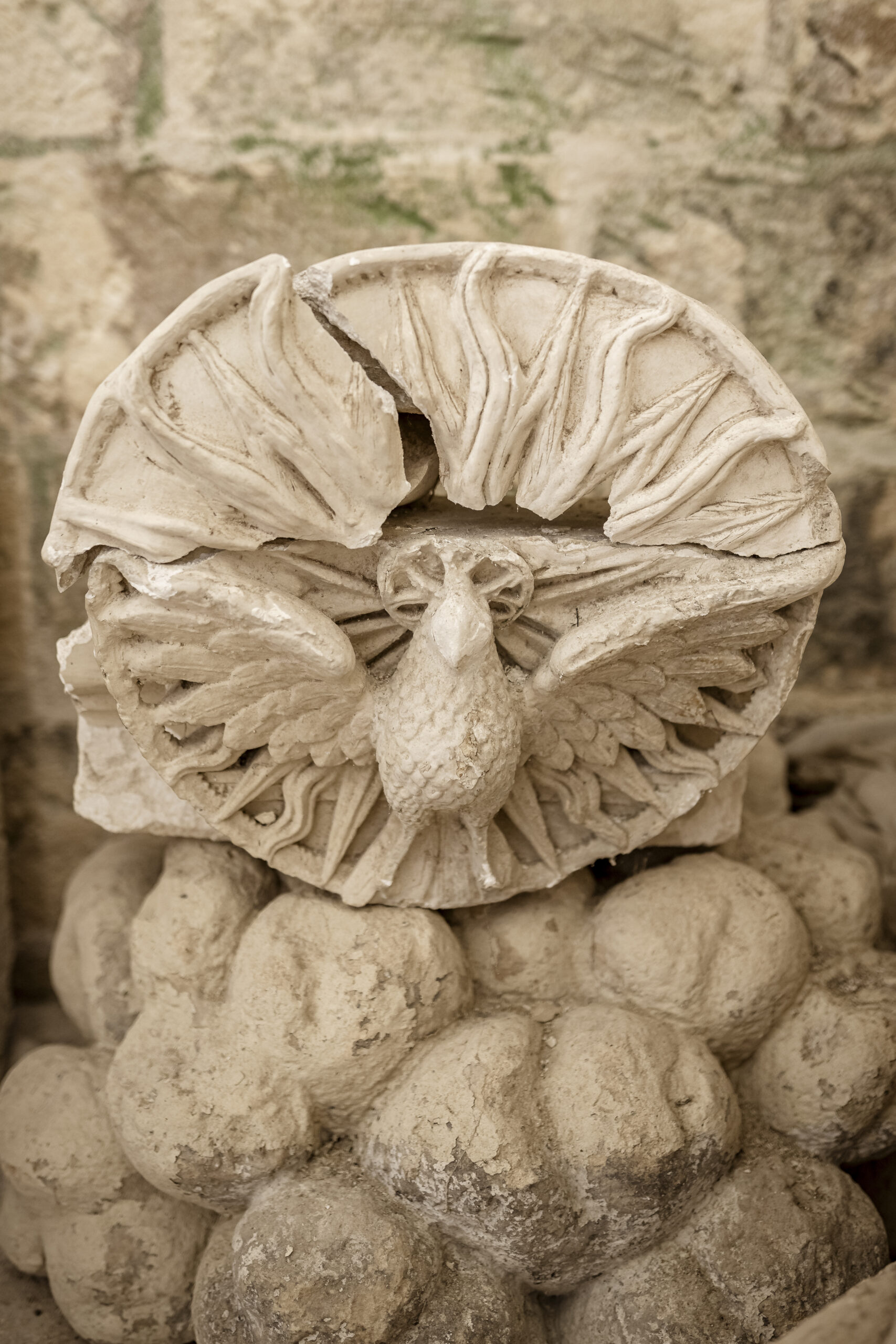
The Dominican Fathers formally took possession of the complex on December 13, 1562, but the construction site remained active for a long time (for over twenty years). Imagine the slow work of the stonemasons, the sound of chiselled stone, the scaffolding and the white dust suspended in the air of Salento. Tradition attributes the design to Giovanni Maria Tarantino from Nardò, a name that once appeared even on the keystone of the ambulacrum, as if to leave a discreet—yet eternal— signature on this monumental work. Today, walking through what remains of the convent, you can still perceive the elegance of the original layout. The ambulacrum guides your gaze with its harmonious rhythm; the cloister guards an almost suspended silence; the monumental portal seems to invite you into another dimension entirely, made of reflection and contemplation. And then there is the dove of the Holy Spirit, a recurring symbol throughout the complex, as a sign of protection and divine presence.
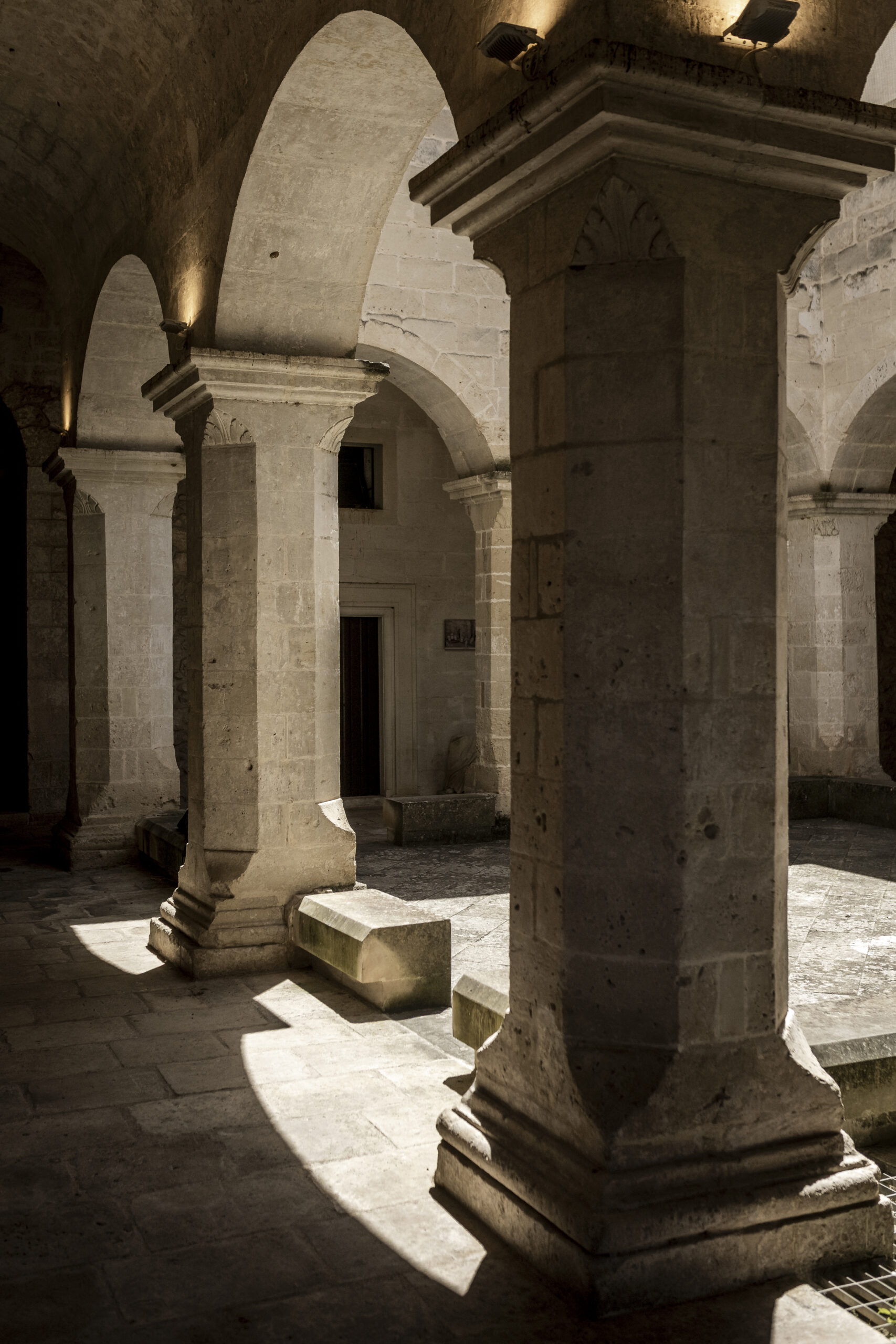
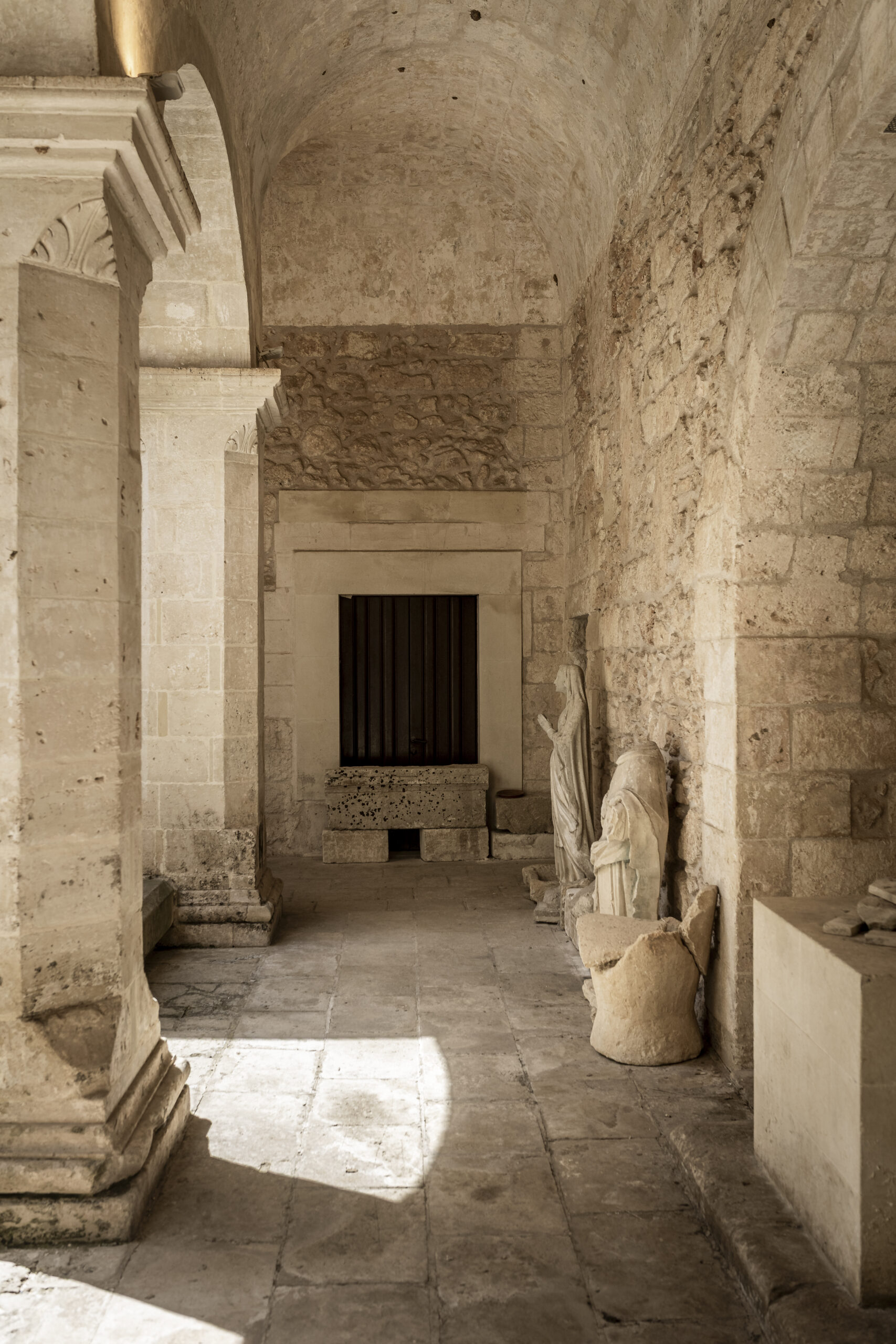
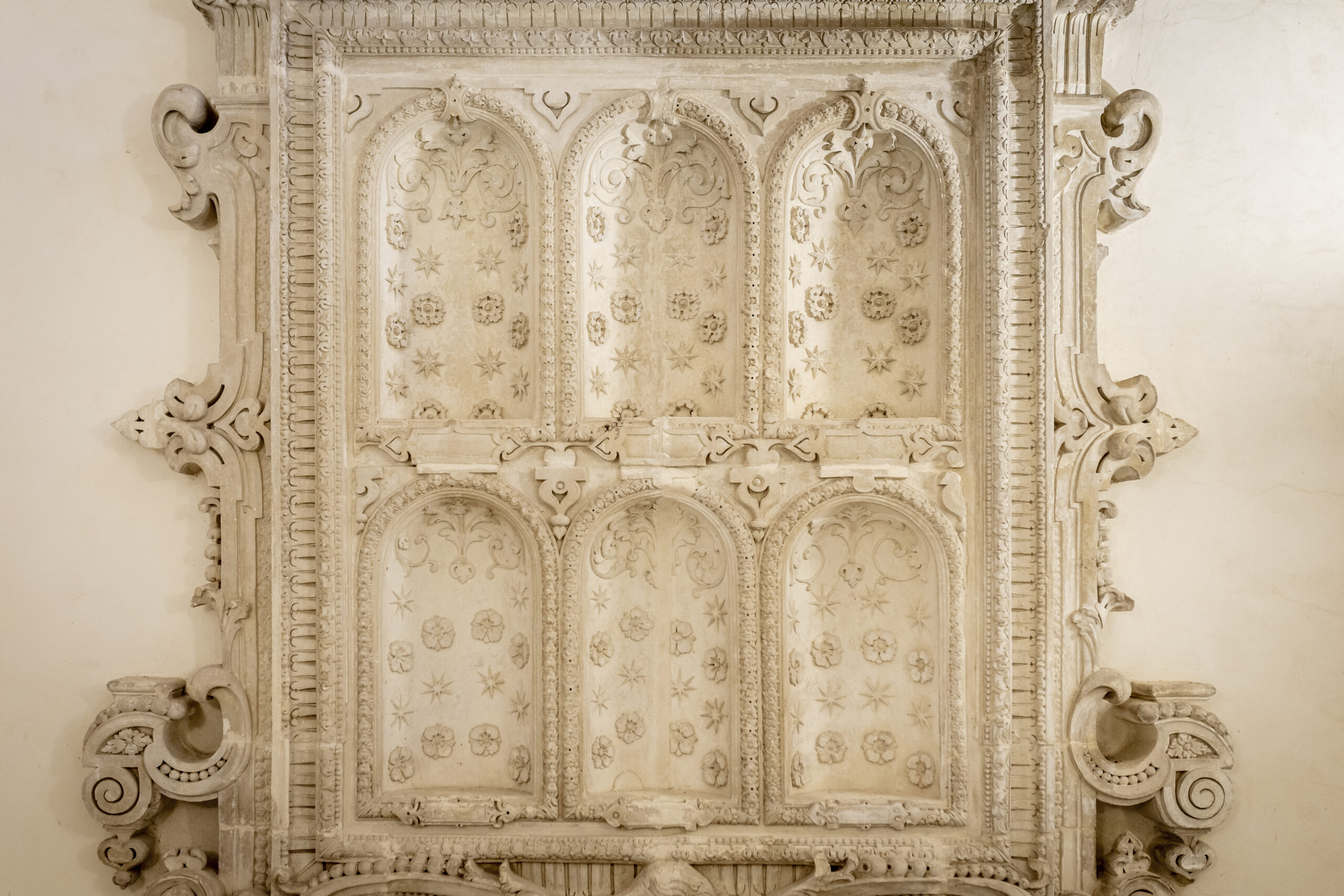
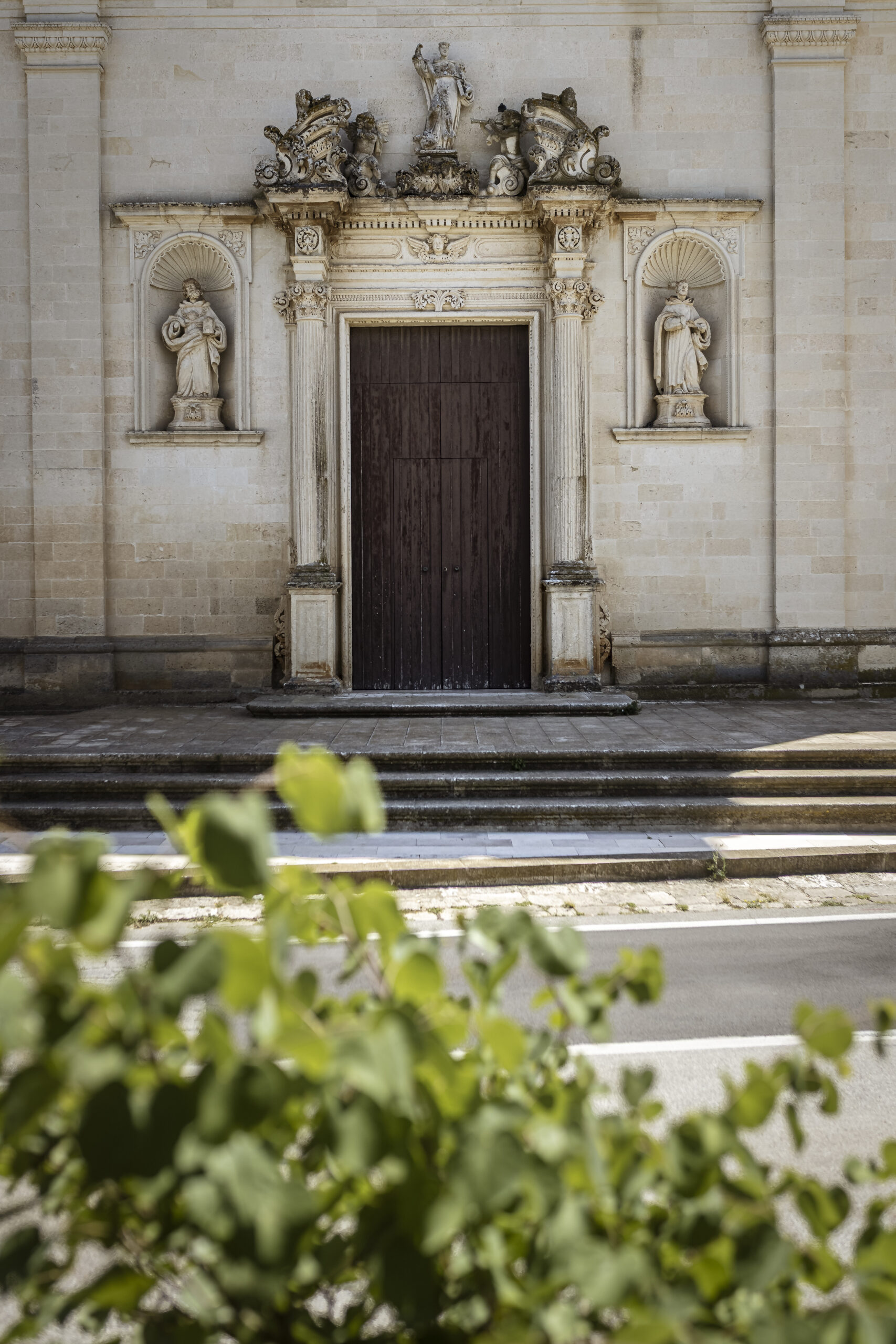
The Church of the Holy Spirit, the spiritual heart of the complex, still stands today as one of the most significant examples of Renaissance architecture in Salento tied to the mendicant orders. The façade, structured across two tiers and punctuated by pilasters and niches, is striking in its sober and elegant balance. But it is inside that you are truly enveloped by the atmosphere of the place: the single nave, essential and solemn, was progressively enriched over time with altars, decorations, and Baroque additions that reflect the taste and devotion of subsequent eras. The light filters slowly across the pietra leccese (Lecce stone), continuously shifting its colour: gold in the morning, honey in the afternoon and pale rose at sunset. Between the seventeenth and eighteenth centuries, the convent experienced its most intense season. It was not merely a place of faith; it was a centre of culture, education and thought. In 1703, it became the seat of the Provincial Chapter and hosted a Dominican studentate, drawing religious figures and scholars from all over lower Salento. In these rooms, theology was studied, philosophy was debated, and young friars were formed, destined to become preachers and men of culture.
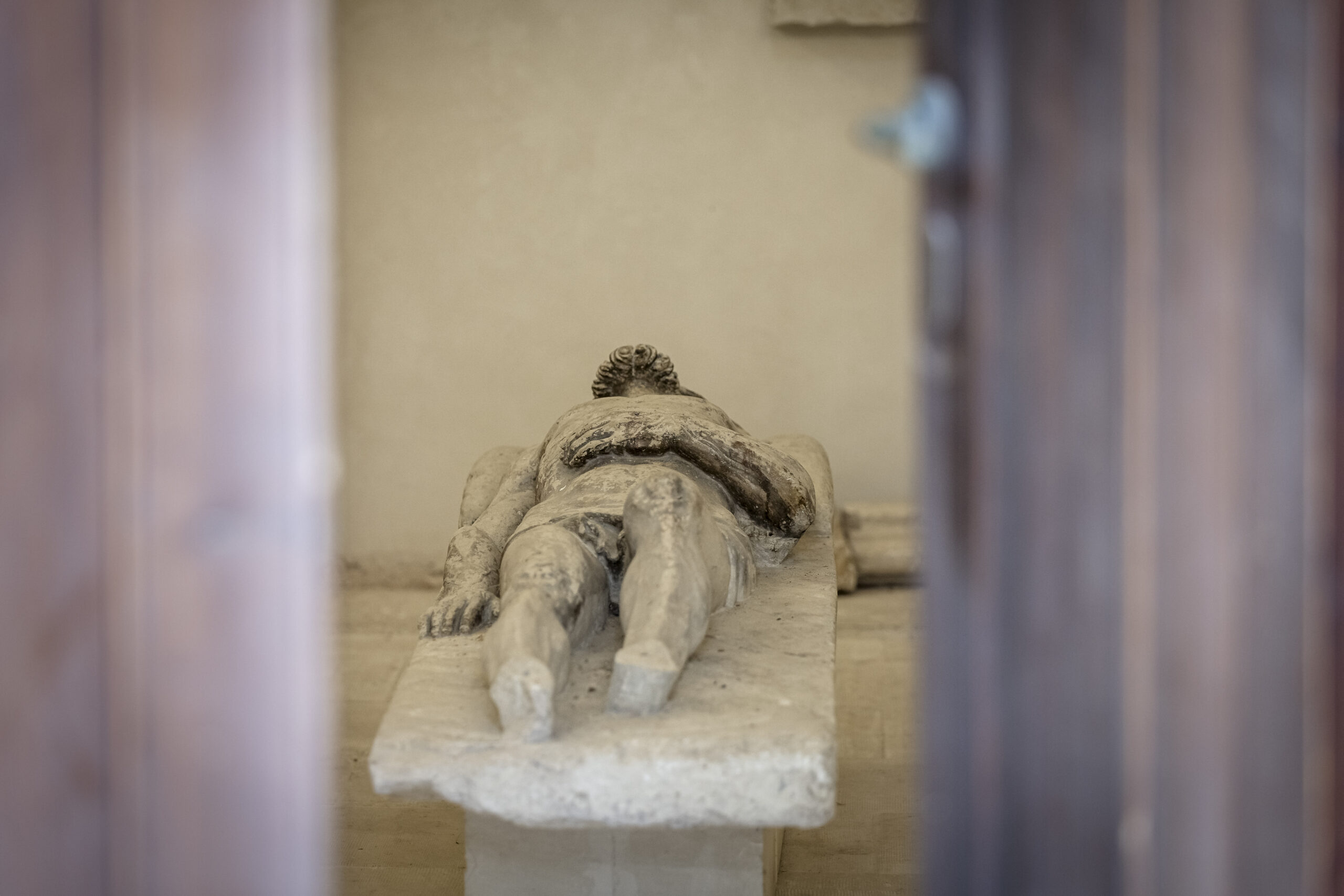
A few years later, in 1732, the convent even welcomed the Accademia degli Eclissati (the
Academy of the Eclipsed), one of the most refined cultural societies of eighteenth-century Muro.
Stories are told of inspiring meetings, stimulating readings, lively debates and solemn speeches.
Its first president was Giuseppe Antonio Papadia, while the inaugural address was delivered by
Giovanni Bernardino Tafuri from Nardò, a central figure in the Southern Italian culture of that
time. During those years, the convent was a living space, animated by ideas, words and
intellectual exchange, a place where religion, knowledge and social prestige were continuously
intertwined.
The church reflected this central role as well. The most prominent families of Muro Leccese
exercised their patronage here, contributing to the creation of altars, decorations and artistic
features that made the building increasingly lavish and prestigious. In the eighteenth century, a
sumptuous tribute to Benedict XIII, the Dominican pope, was even placed inside, celebrated by a
1727 inscription signed by the provincial master Friar Agostino Maria de Salvatore. Entering this
space back then must have meant stepping into a realm capable of uniting spirituality, art and
symbolic power.
Then came the time of rupture.
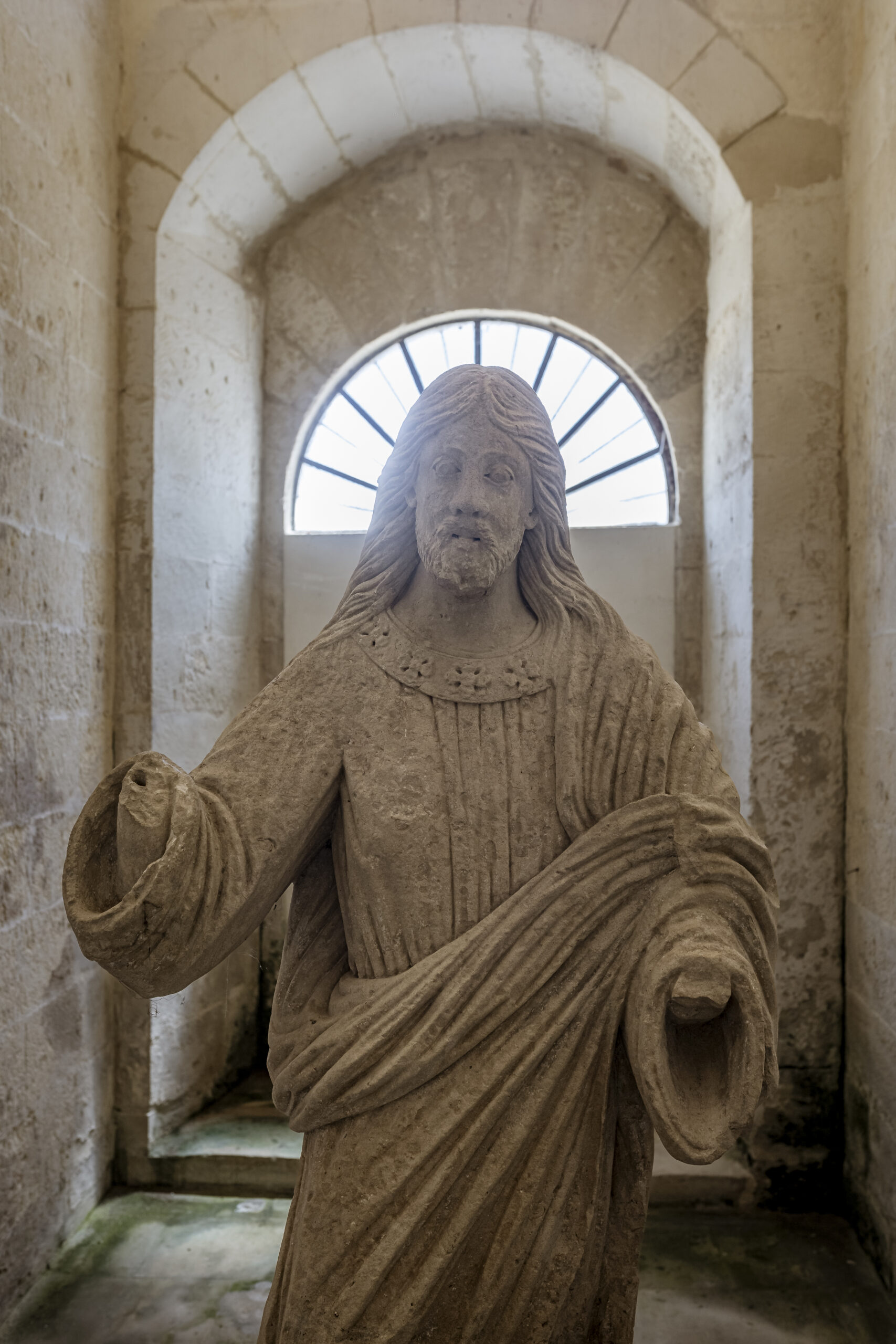
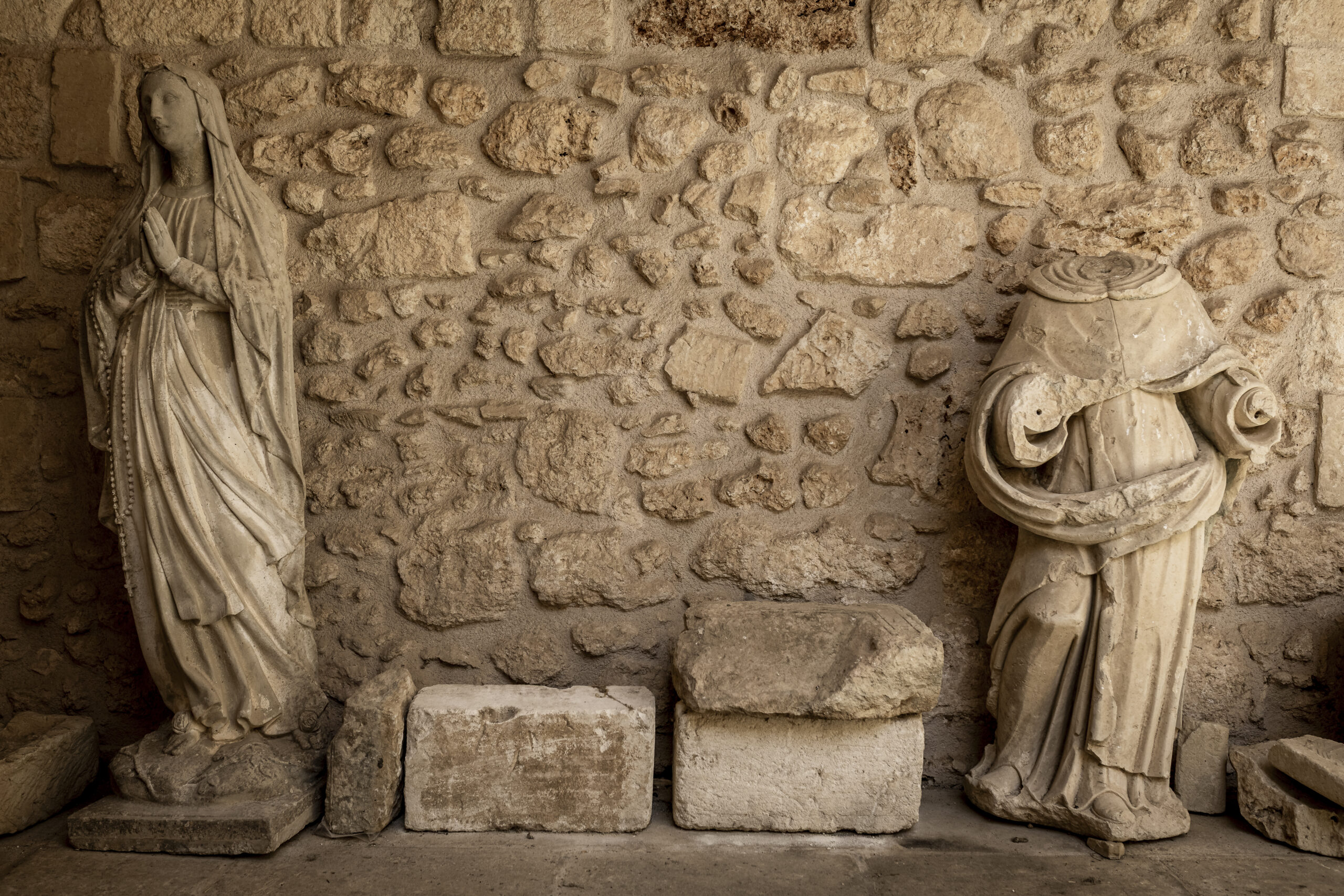
In 1809, the Napoleonic suppression of religious orders forced the Dominicans to abandon the
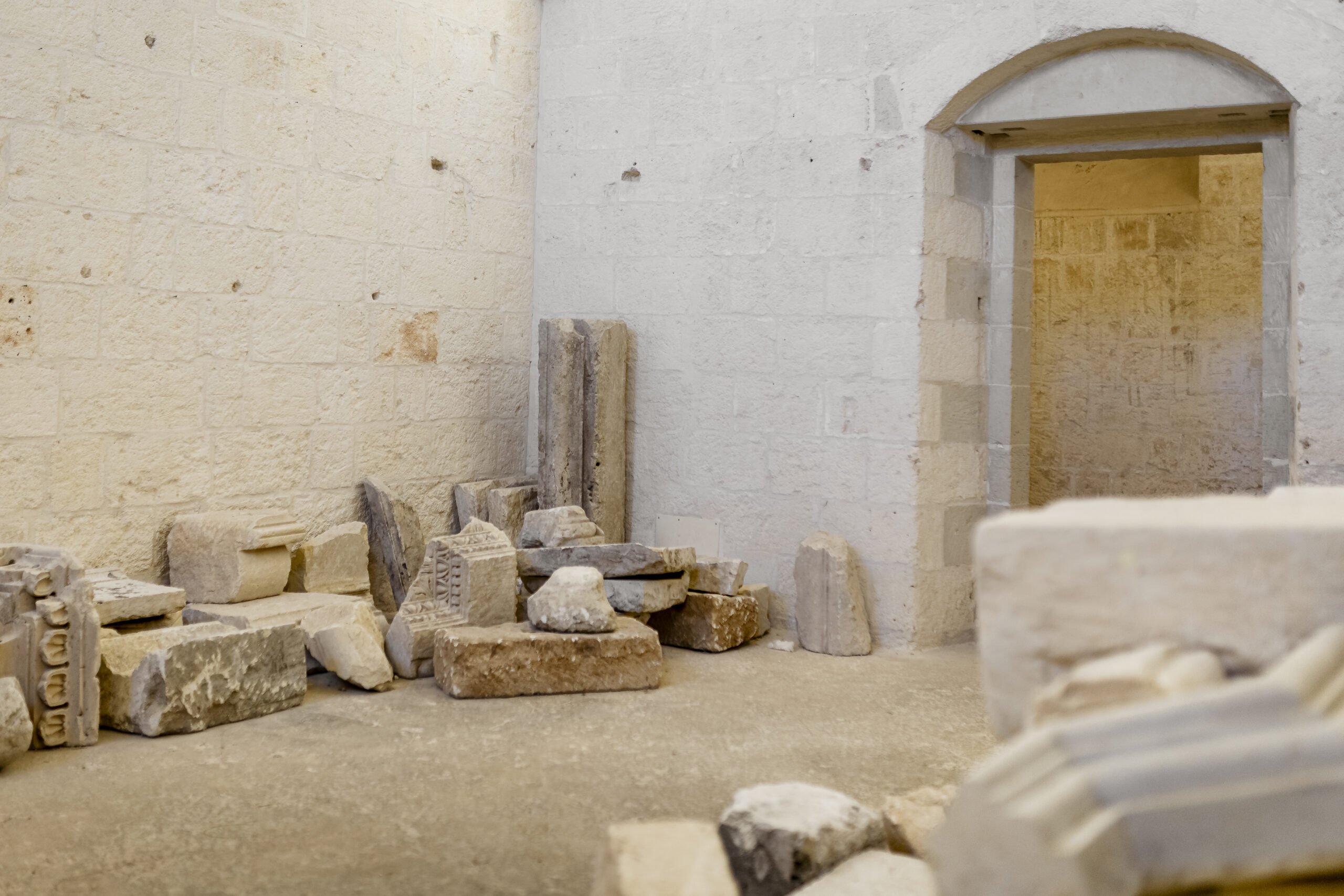
convent for good. From that moment on, a slow and painful decay began. The rooms
progressively lost their function, some structures fell into ruin, and many artworks were
scattered. In 1830, the adjacent area was transformed into a cemetery, and the graveyard was
built directly against the convent complex, deeply altering its relationship with the urban
landscape.
Yet, the convent never stopped belonging to the community.
Local memories recall that during World War II, the church was used as a temporary shelter for
Polish soldiers: wounded, weary men, far from their homeland, who found refuge and medical
aid here in makeshift conditions. It is a lesser-known but deeply human episode that restores the
true meaning of a place capable, once again, of welcoming and protecting.
After decades of abandonment, rebirth finally arrived in 1996, when the church and convent
were restored to host the meeting of the European Union Ministers of Agriculture, held right here
in Muro Leccese during the Italian Presidency semester. That work of restoration returned
dignity and legibility to one of the most fascinating monumental complexes in Salento.
Today, the Dominican Convent continues to tell its story to anyone who knows how to listen:
through the chiaroscuro of its arches, the quiet breath of the cloister, the austere beauty of the
church and the memory preserved in the stone.
Pause for a moment beneath the ambulacrum.
Watch the light slide slowly down the walls.
Here, time does not truly feel past: it simply continues to live.
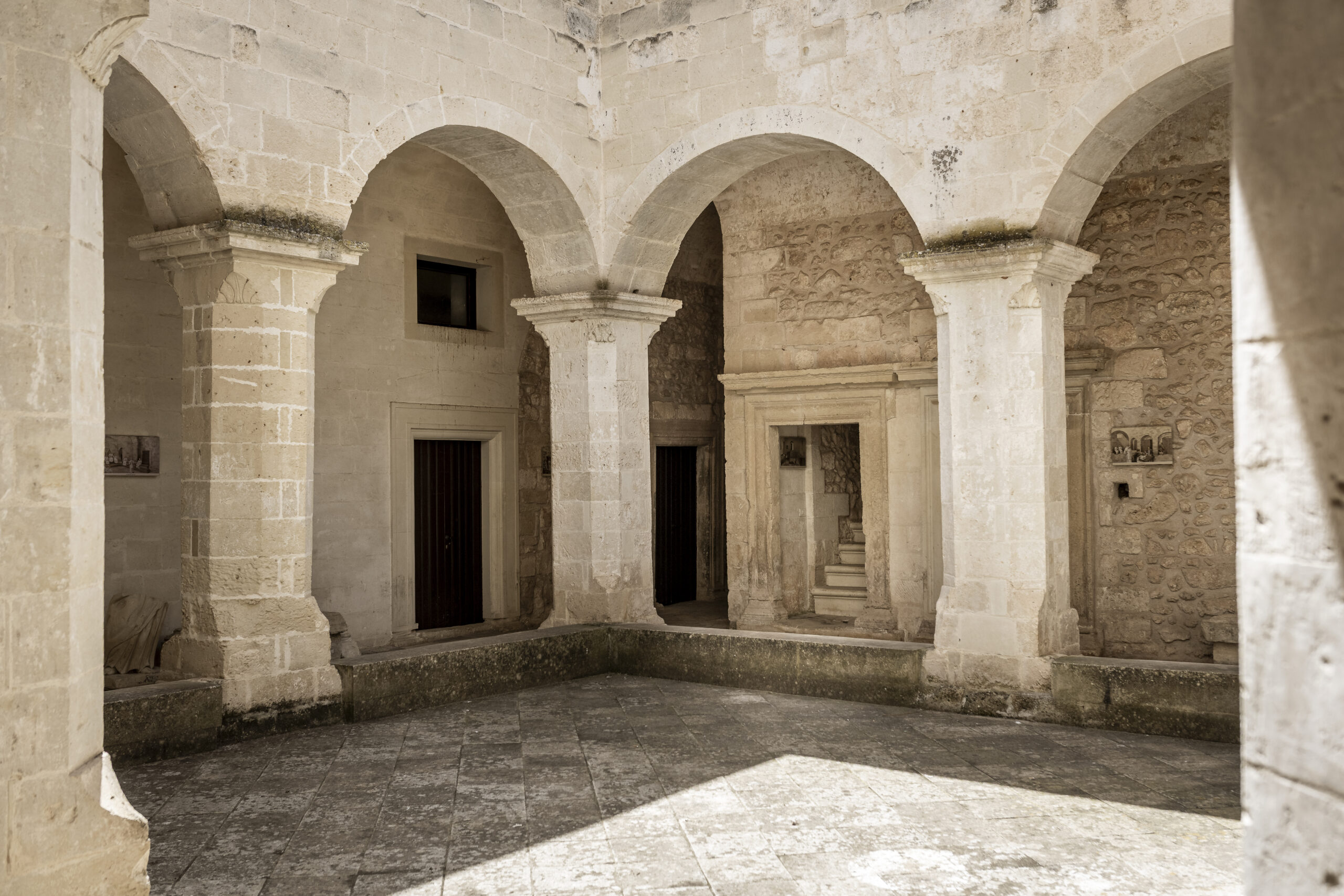
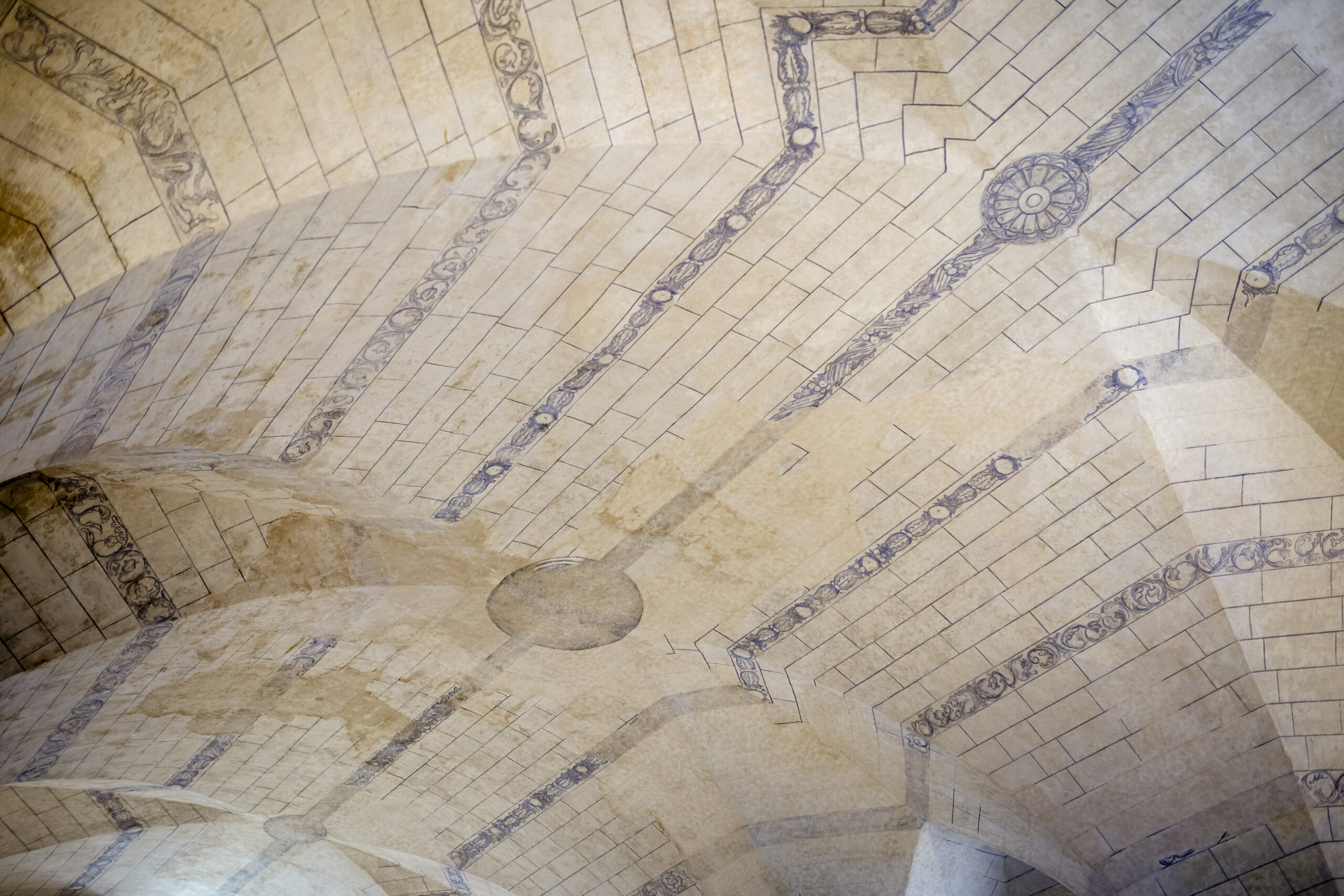
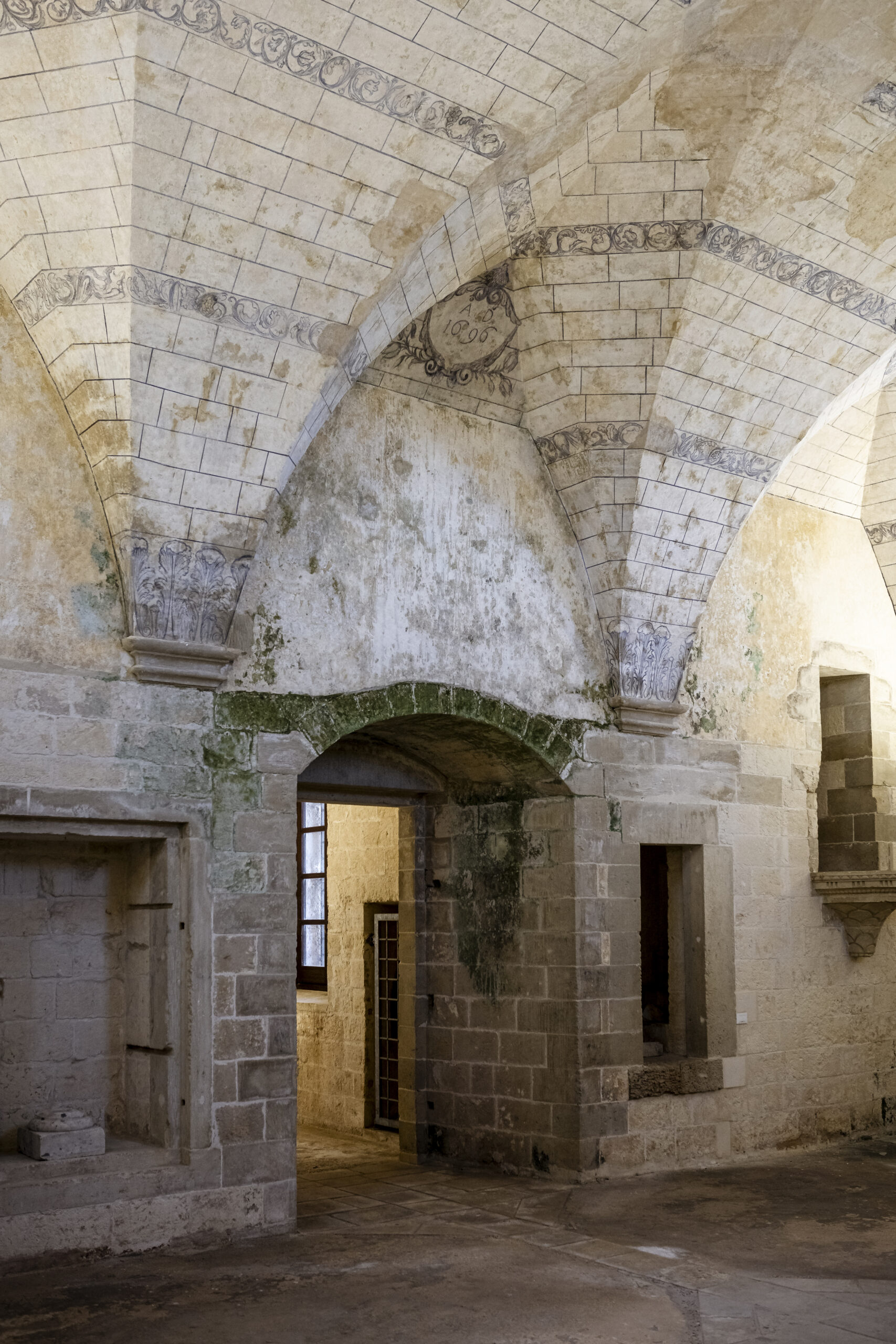
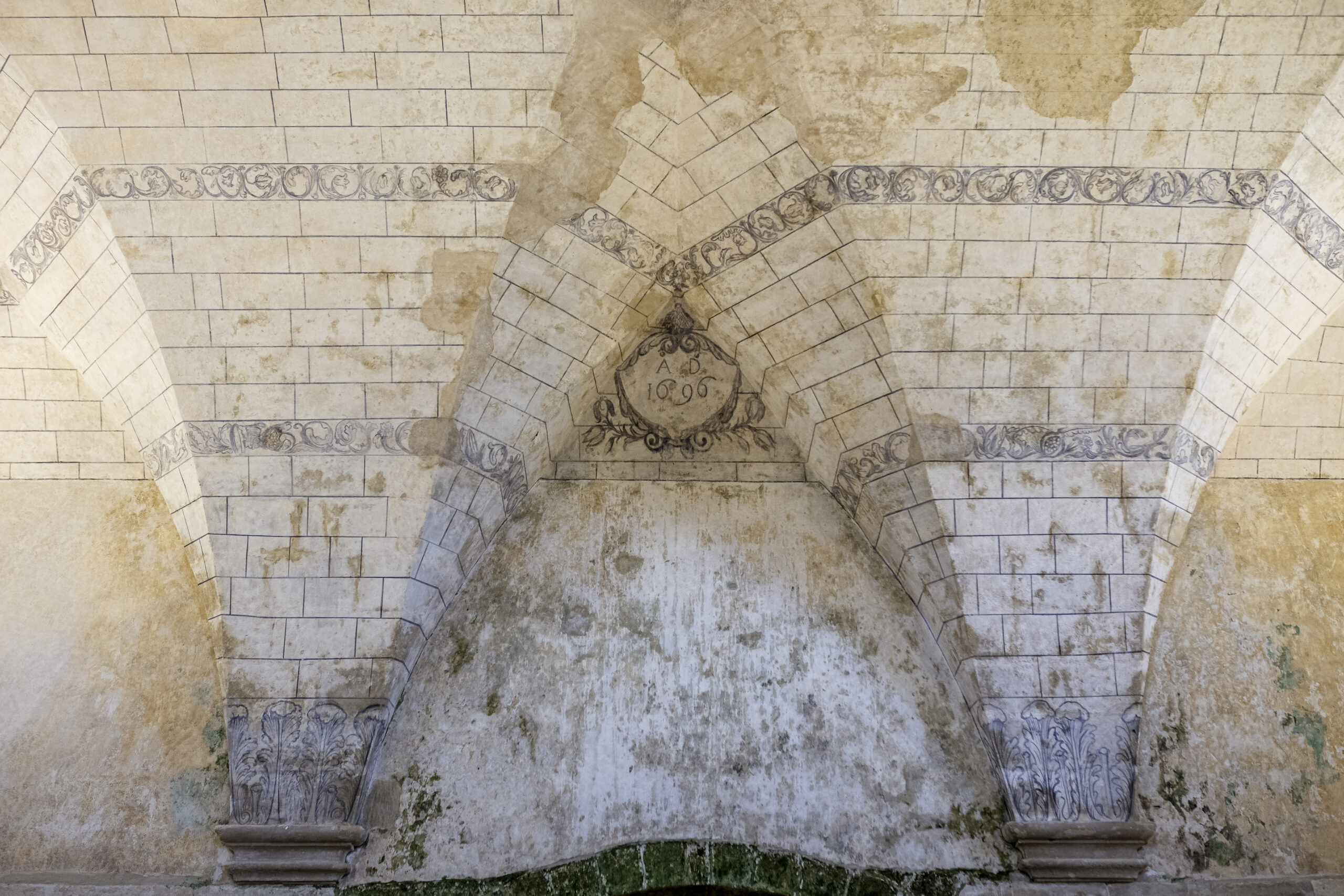
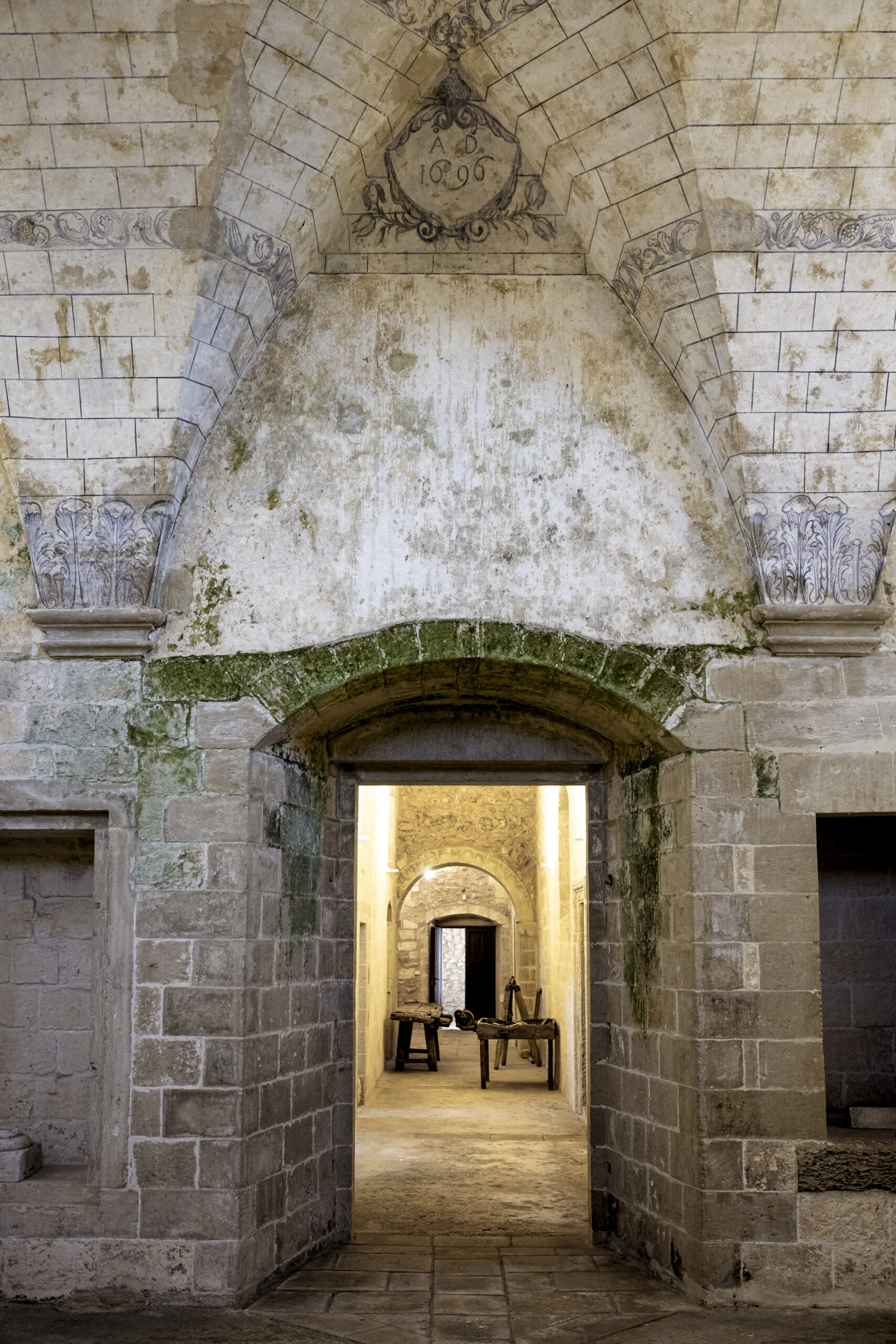
Pause for a moment beneath the ambulatory. Watch the light slowly slide across the walls. Here, time doesn't seem to have truly passed: it simply continues to live.