Piazza del Popolo
Monumental square
Baroque in Lecce stone
Main transformation between the end of the 16th century and the end of the 17th century
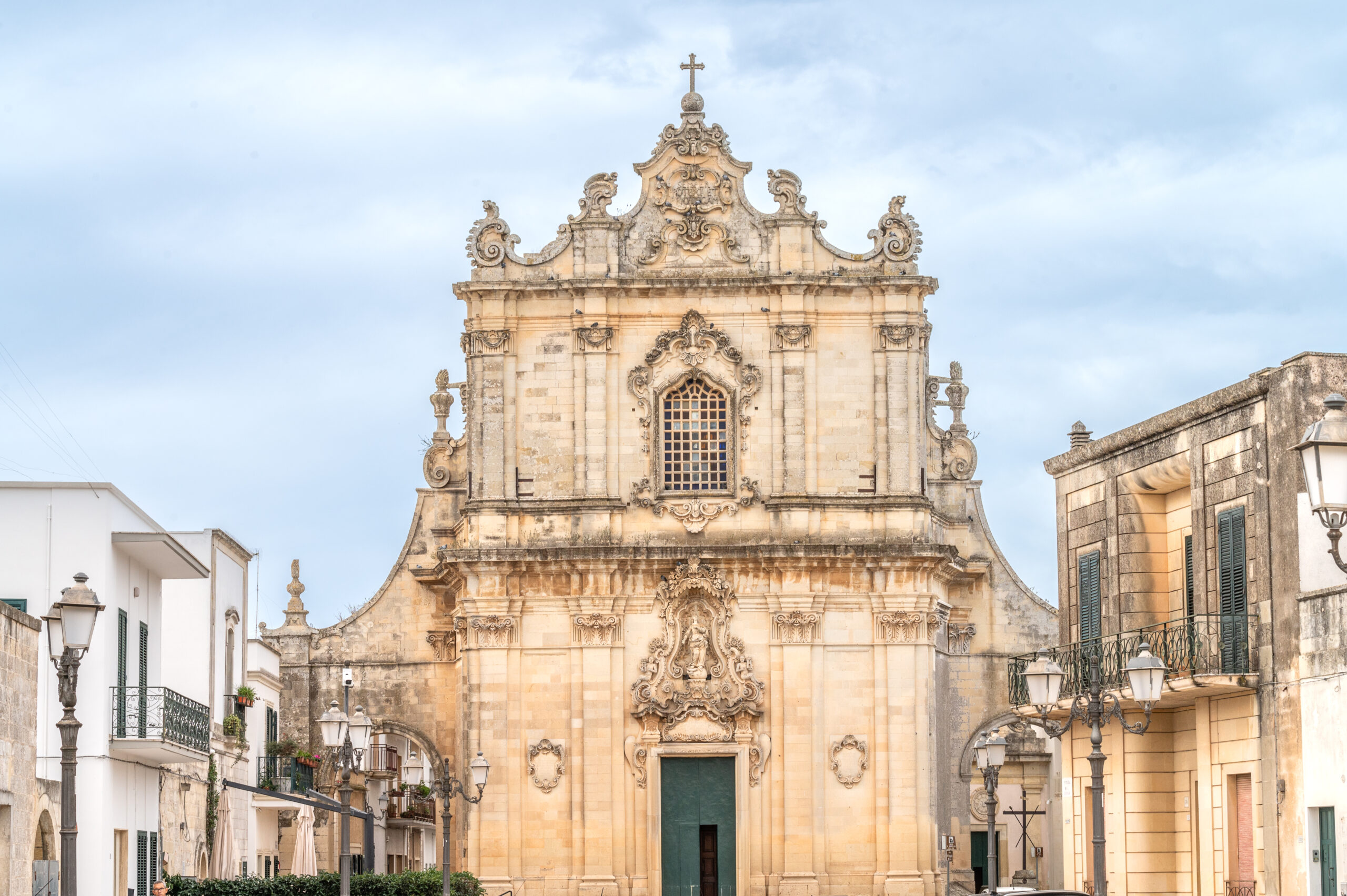
The square features a rare scenic configuration, with two opposing churches facing each other at each end of the space: the Church of the Annunziata to the east and the Church of the Immaculate Conception to the west. At the center stands the Column of the Four Evangelists, erected in 1607, which constitutes the visual and symbolic fulcrum of the entire composition. The Prince's Palace also overlooks the perimeter, making the square the point where feudal, religious and civil power meet in a single monumental space.
Today, this square appears harmonious and monumental, enveloped in the warm light of the local pietra leccese (Lecce stone). And yet, it was not always this way. Until the sixteenth century, an irregular, dusty clearing opened up here at the edge of the fortified town (Terra). It was an open space intended for markets and gatherings. Later, the square became the grand "urban drawing room" of Muro Leccese.
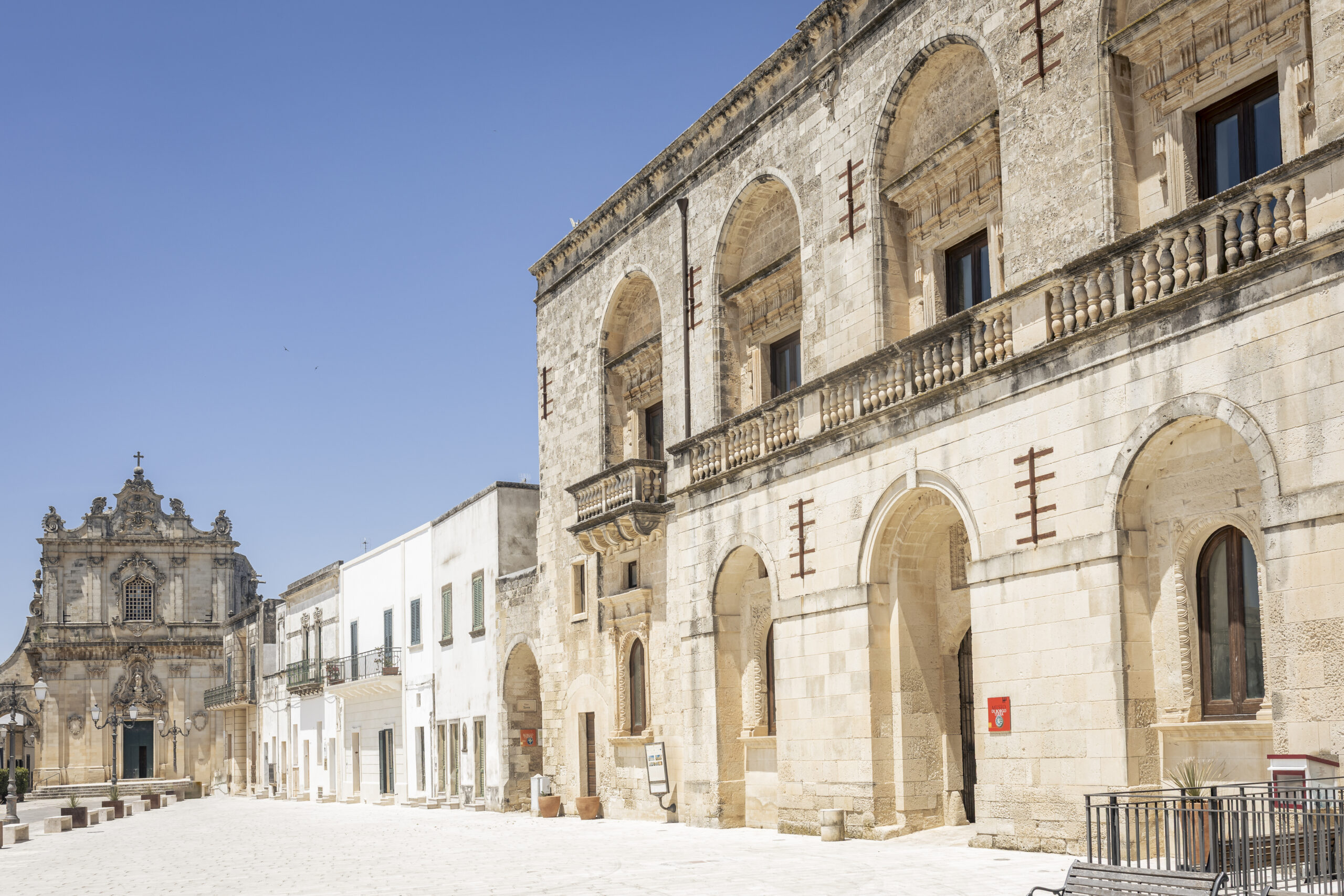
The most striking feature is undoubtedly the presence of the two churches facing each other from opposite ends of the square. On one side stands the Mother Church of the Annunziata (Chiesa Madre dell'Annunziata), imposing and solemn. On the other side is the Church of the Immacolata (Chiesa dell'Immacolata), elegant and bright. The two façades look at each other across the open space like two protagonists in a silent dialogue that has lasted for centuries. This is an unusual, almost unique urban solution that bestows an extraordinary scenographic power upon the square.
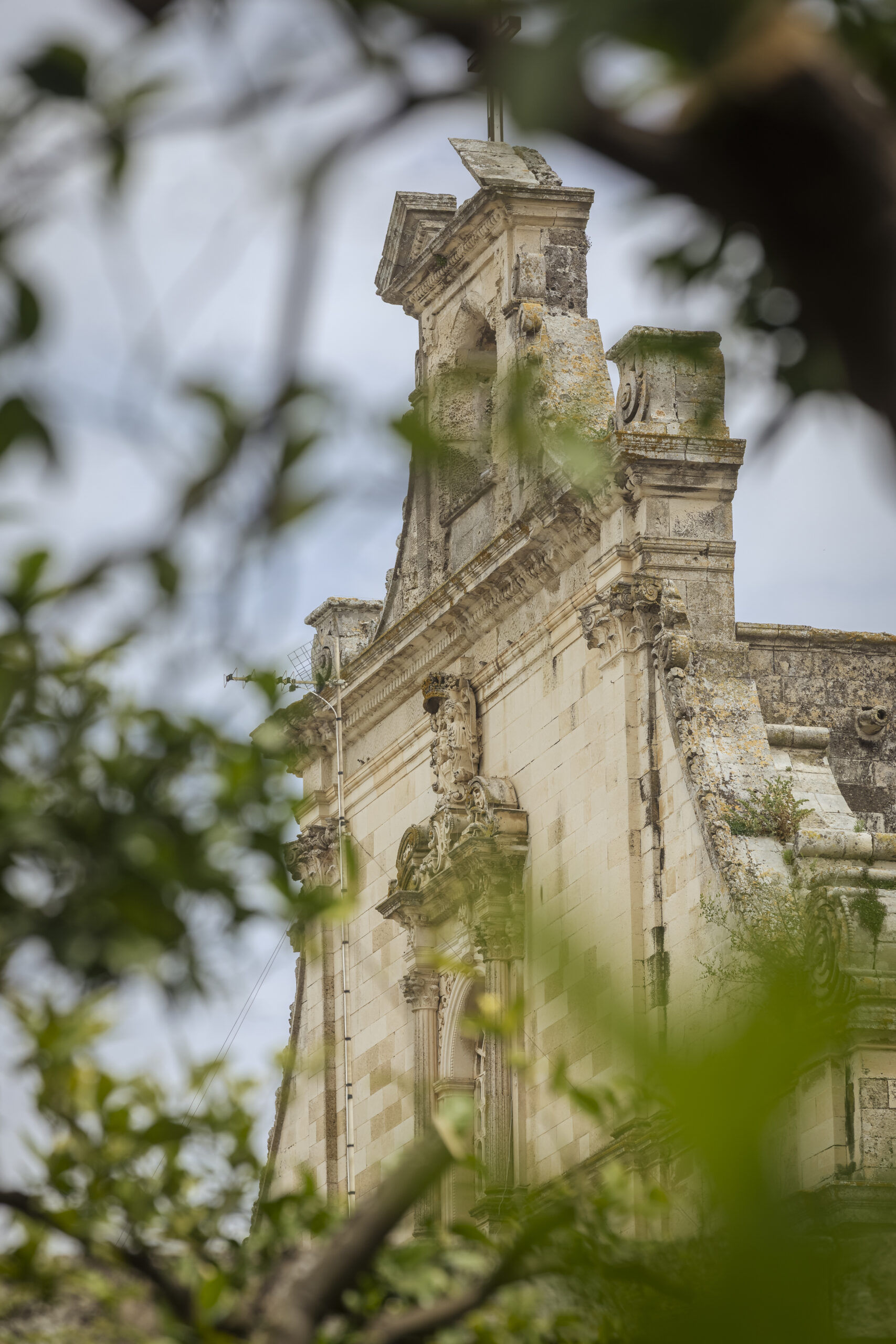
It is the symbolic heart of the square. Built in 1607 by order of the Protonobilissimo family, the column is not just a religious monument. It is the visual pivot of the entire space, the point around which the balance of the square is organised. For centuries, citizens simply called it “la culonna de menzu la chiazza” — the column in the middle of the square. And looking at it, it is easy to understand why. Everything seems to revolve around its elegant and discreet presence.
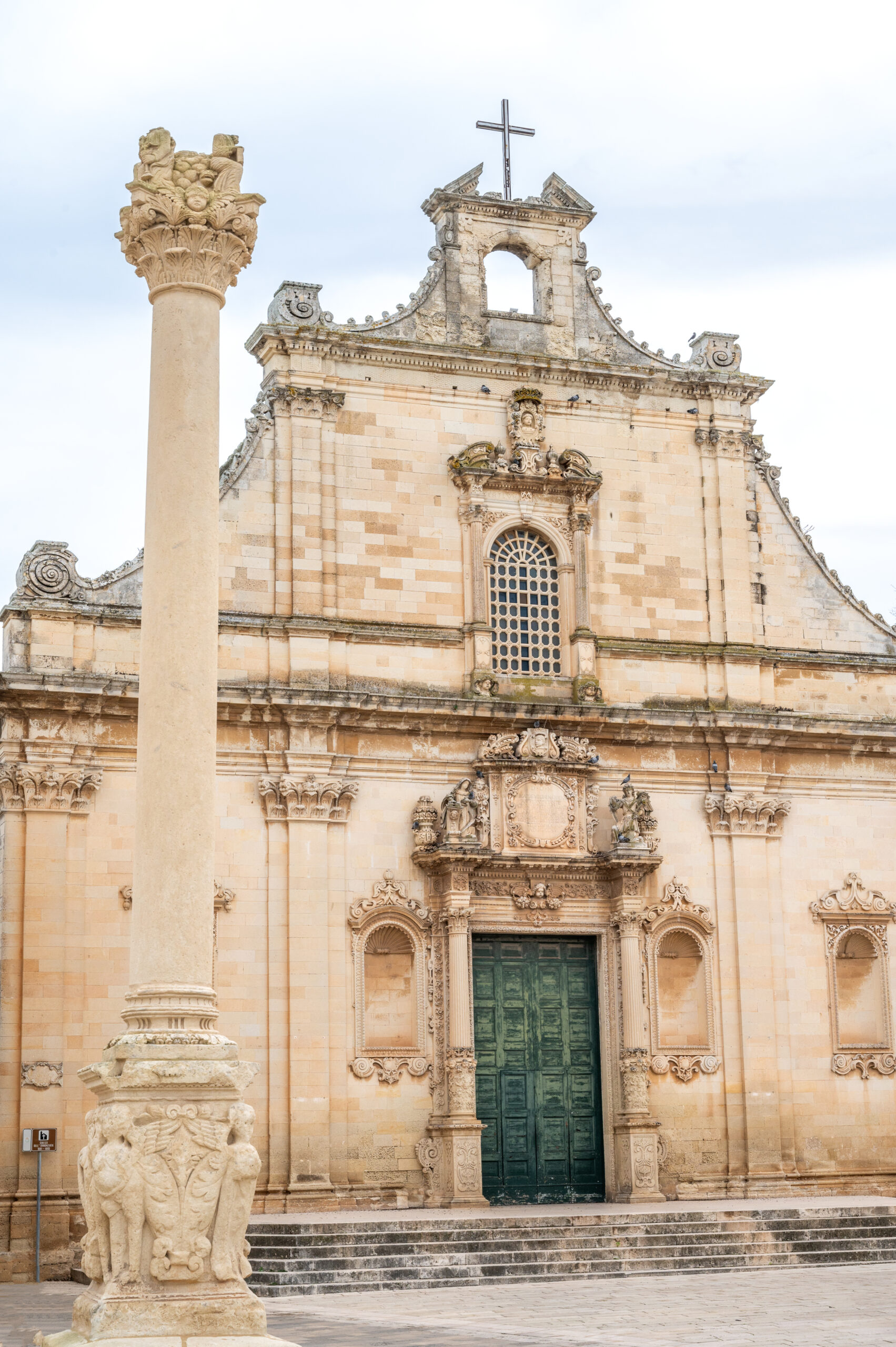
on its base, you can recognise enigmatic figures, such as harpies with female faces and winged men identified as the Boreads. According to tradition, the latter fought against the harpies, symbols of sudden and premature death. This allegorical language may conceal a personal tragedy of the Protonobilissimo family. As a matter of fact, in 1607, the year engraved on the column, Laura Protonobilissimo was born. The baby girl died just two years later and was buried in the Church of the Holy Spirit. Some scholars have hypothesised that the column may have been erected as a votive gesture to protect a fragile and beloved daughter.
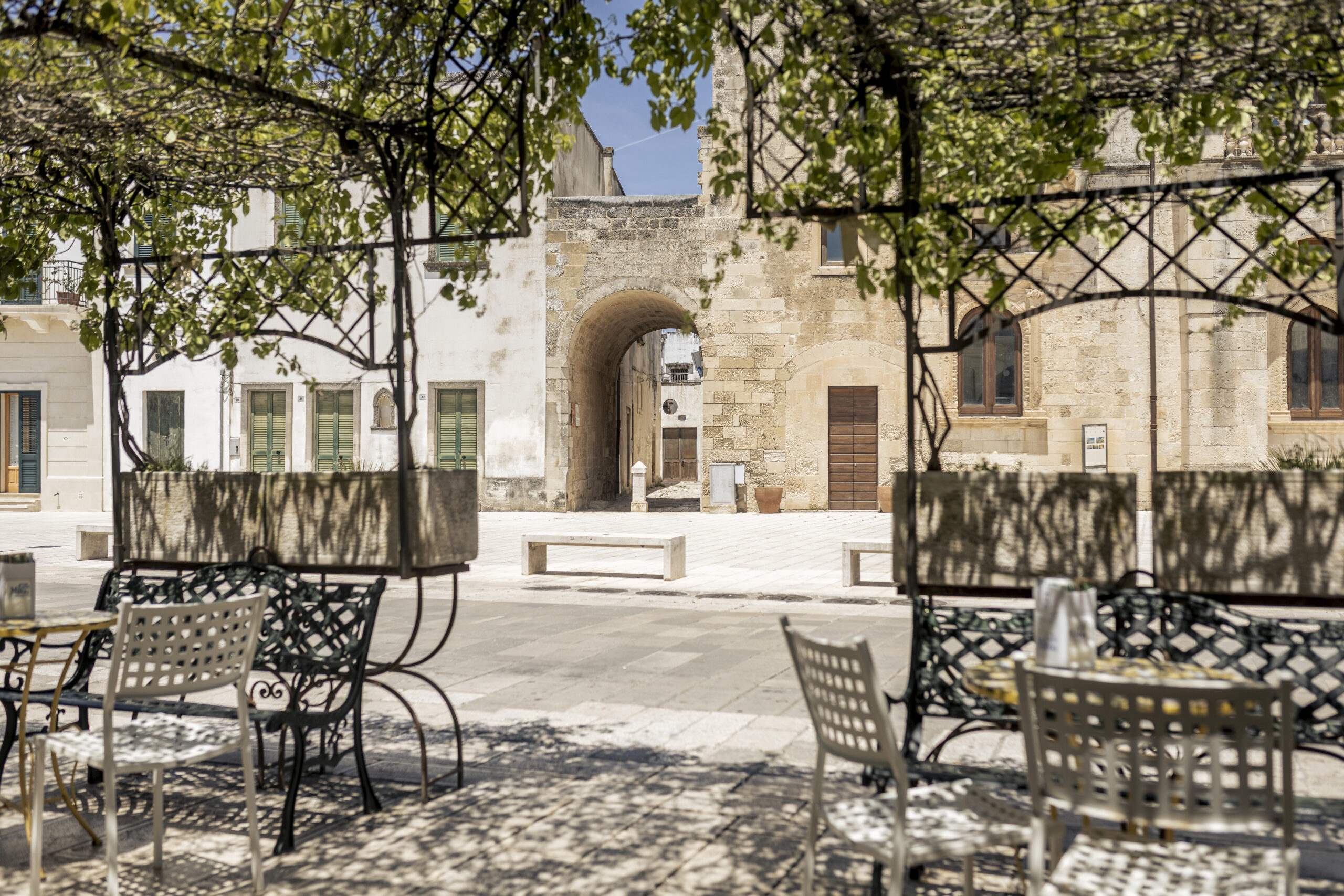
There is the Prince's Palace (Palazzo del Principe), the ancient feudal residence of the Protonobilissimo family, who governed the town for centuries. There are noble palaces, façades carved in stone, balconies, cornices and decorative elements that trace Muro Leccese’s long transition from a medieval fortified borough to a refined Baroque city.
In the Middle Ages, the core
of life was enclosed within the walls of Borgo Terra. As the centuries passed, the city expanded,
defences progressively lost their function and the square became the new centrepiece for
collective representation. It was no longer a place of protection, but of encounter; no longer a
symbol of fear, but of shared identity.
In the twentieth century, Piazza del Popolo served as the natural stage for civic life. Patronal
feasts, processions, markets, celebrations and everyday social interactions all unfolded here.
Generations of inhabitants have crossed this space, leaving behind memories, stories and
customs.
Even today, everything seems to start from here... And perhaps it truly does!
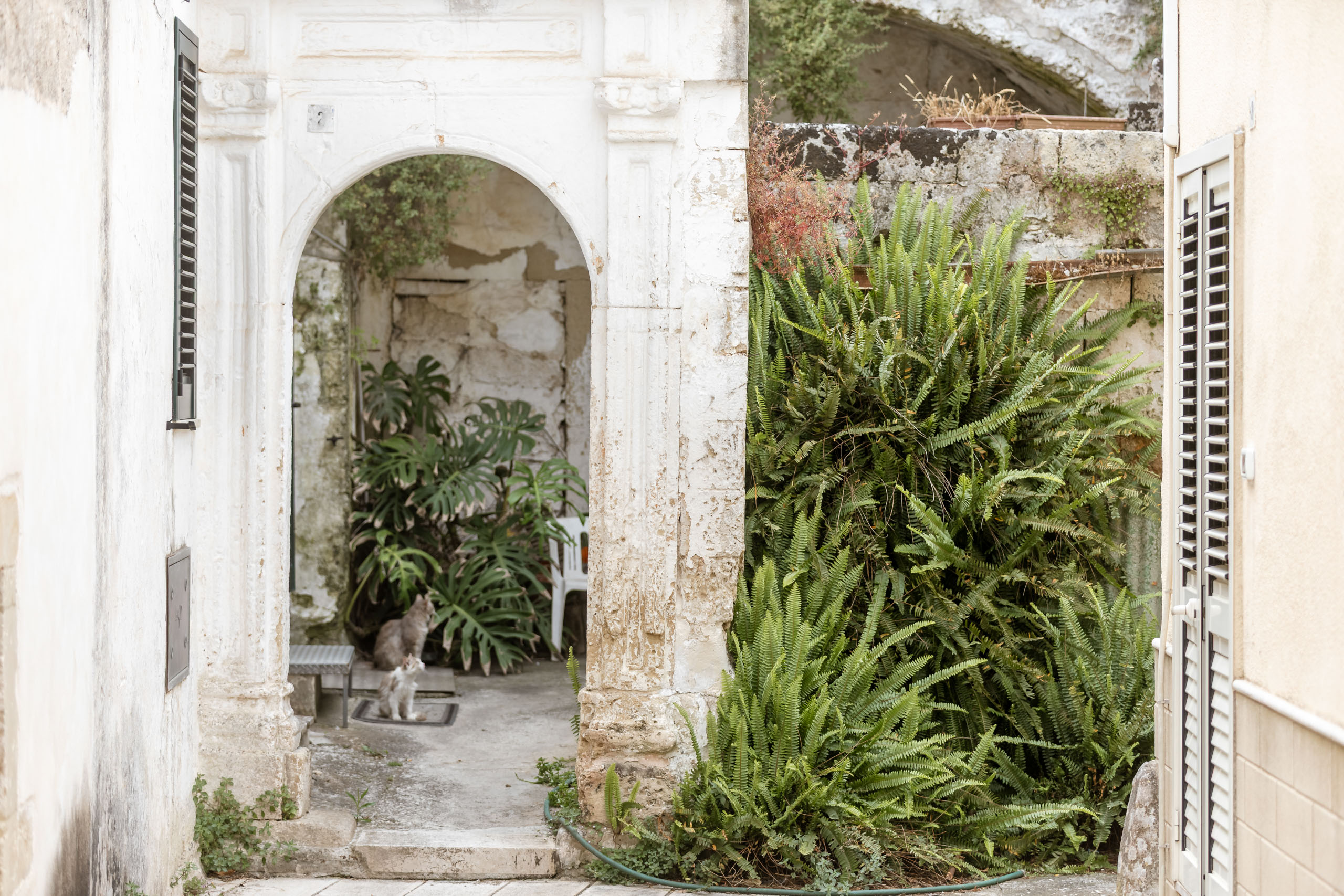
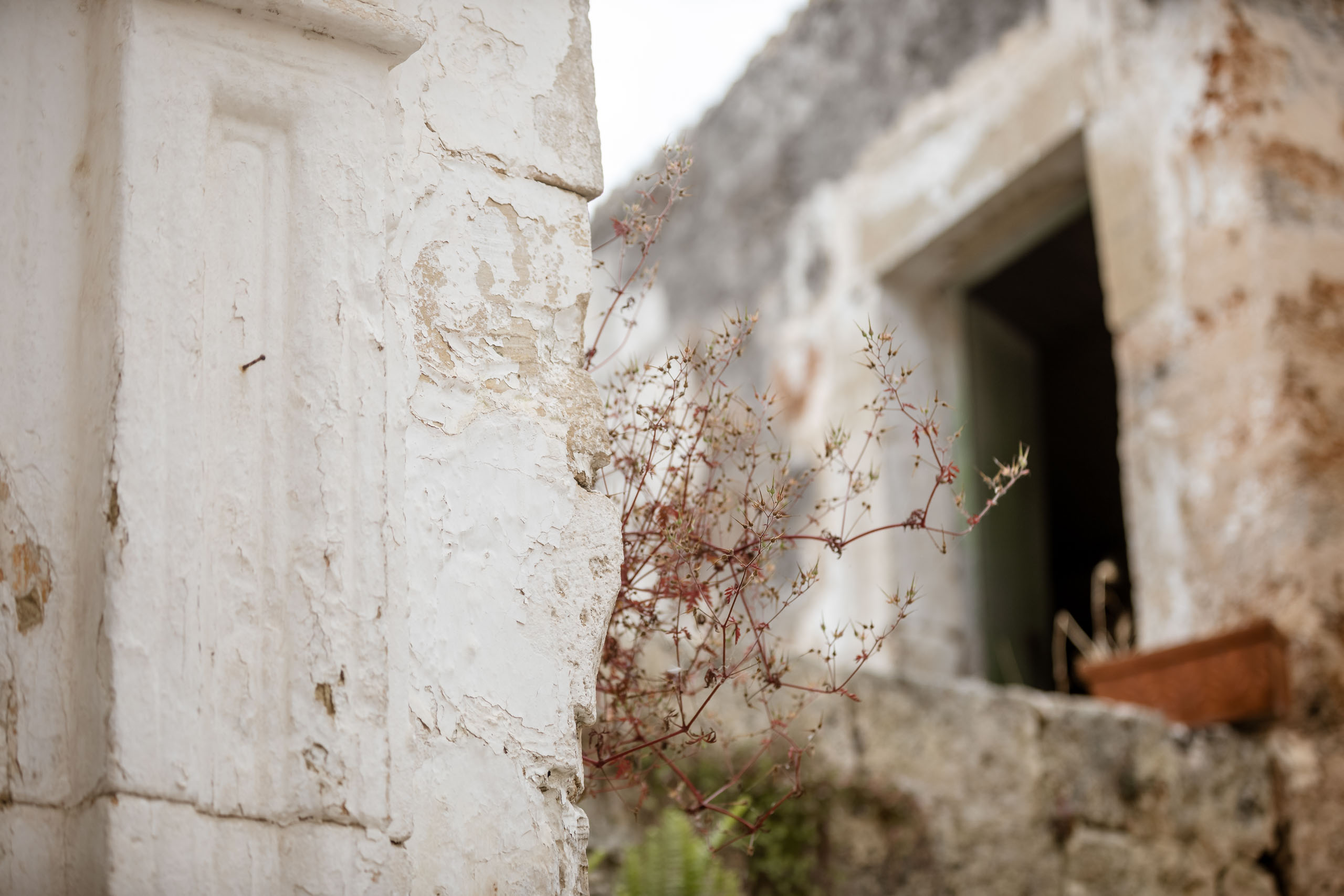
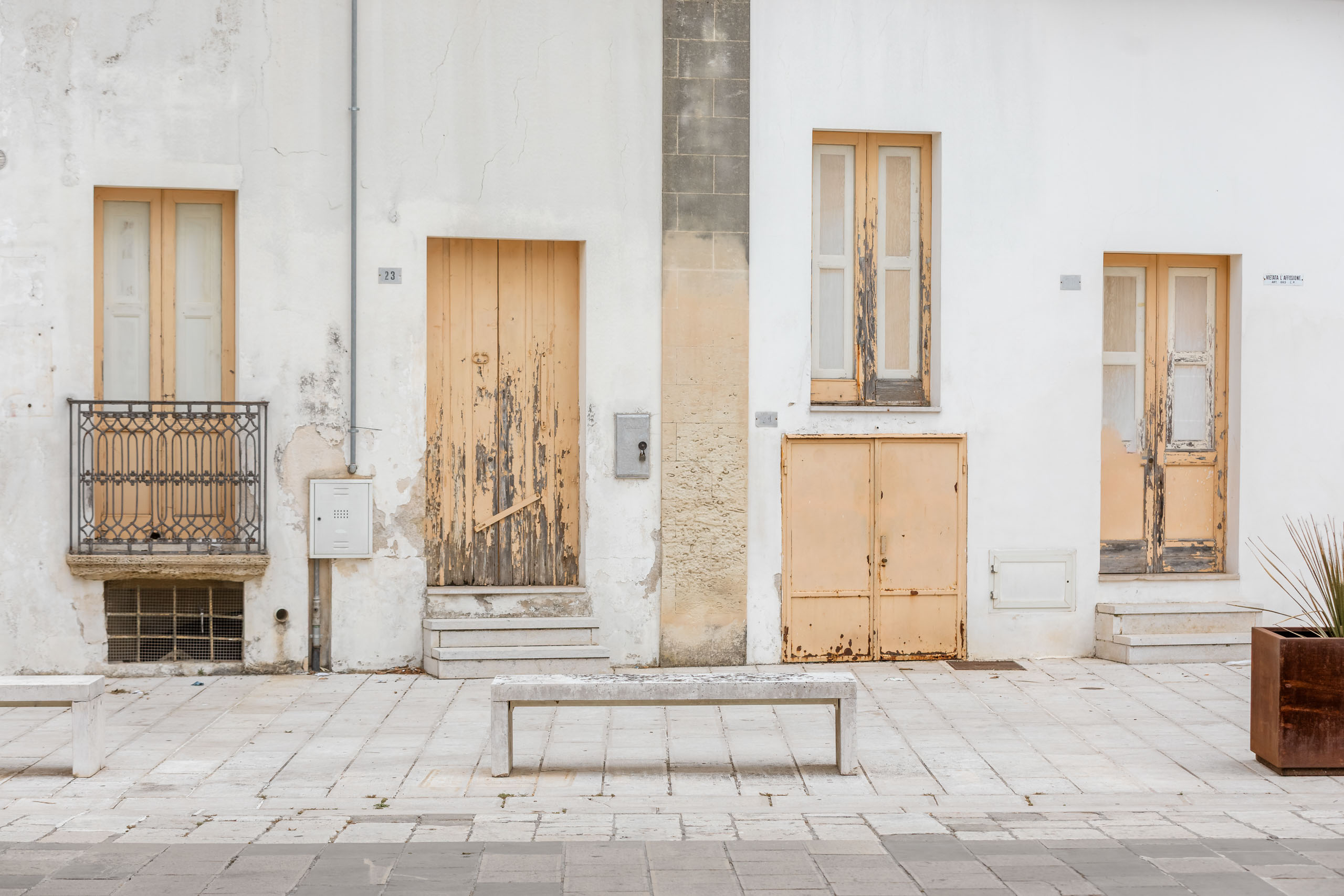
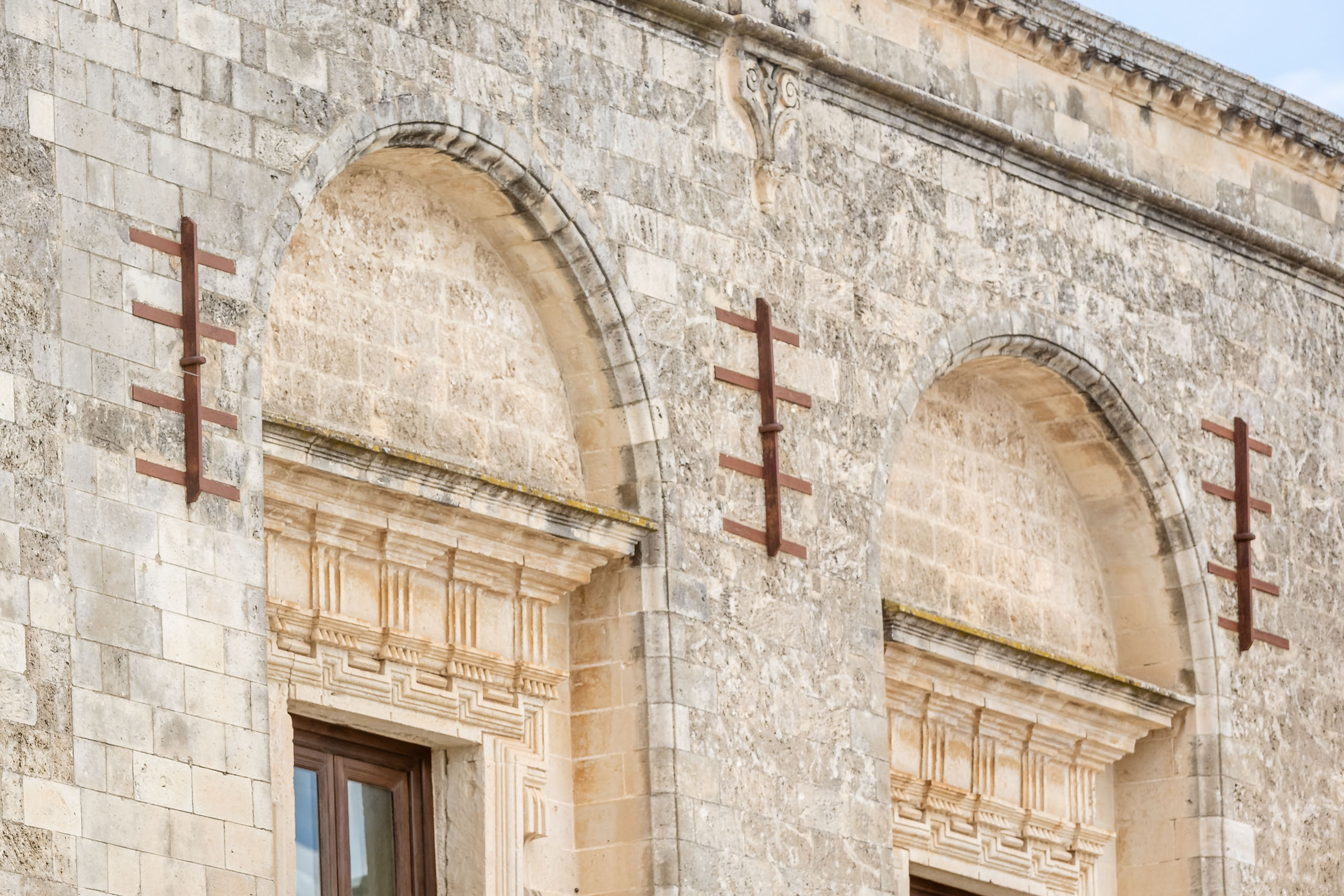
Anyone arriving in Muro Leccese inevitably passes through Piazza del Popolo. It is the place that introduces you to the discovery of Borgo Terra, the threshold between past and present. By day, the pietra leccese (local stone) ignites with golden reflections; at sunset, the façades take on rosy hues, and the silence seems to amplify the beauty of the whole scene. More than just a square, Piazza del Popolo is a synthesis between the medieval borough and the Baroque city, between feudal power and religious devotion, between memory and daily life. It is the place where Muro Leccese displays itself in its most harmonious and complete form. And perhaps that is why, after centuries, it continues to be the beating heart of the town.