The Prince’s palace
Noble palace
Late Middle Ages / Renaissance / (layered) Baroque
Second half of the 15th century (original nucleus); transformations between the 16th and 18th centuries
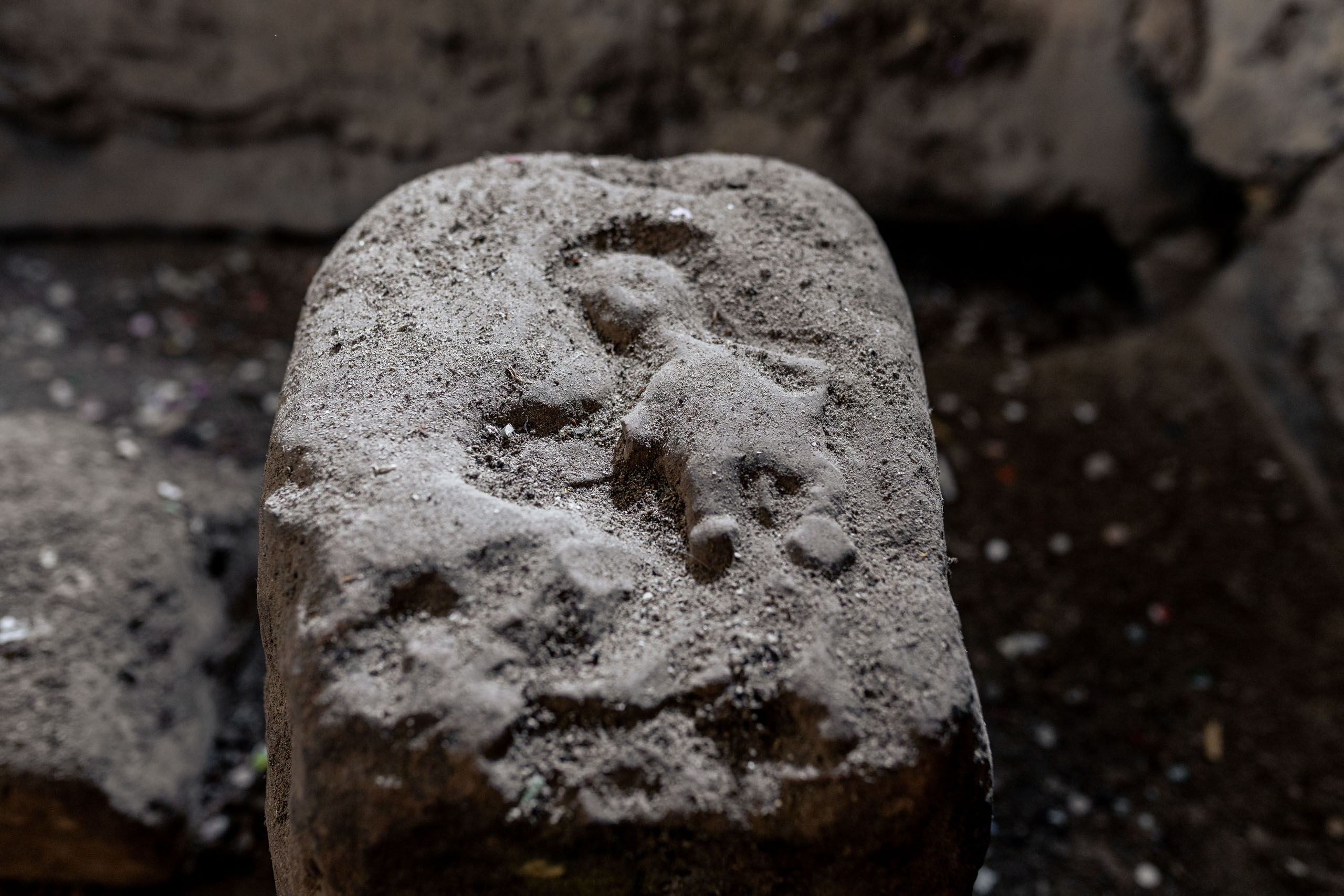
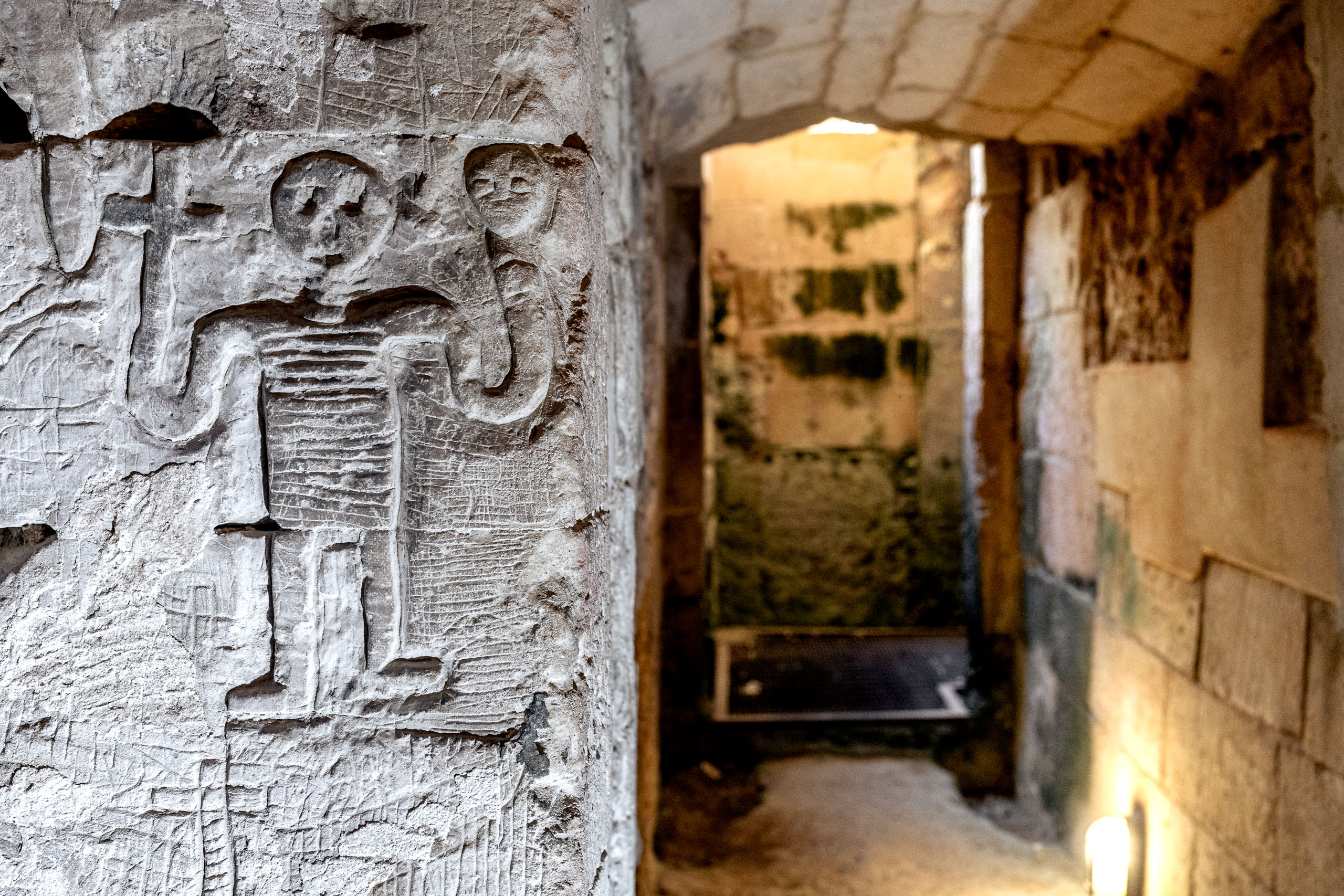
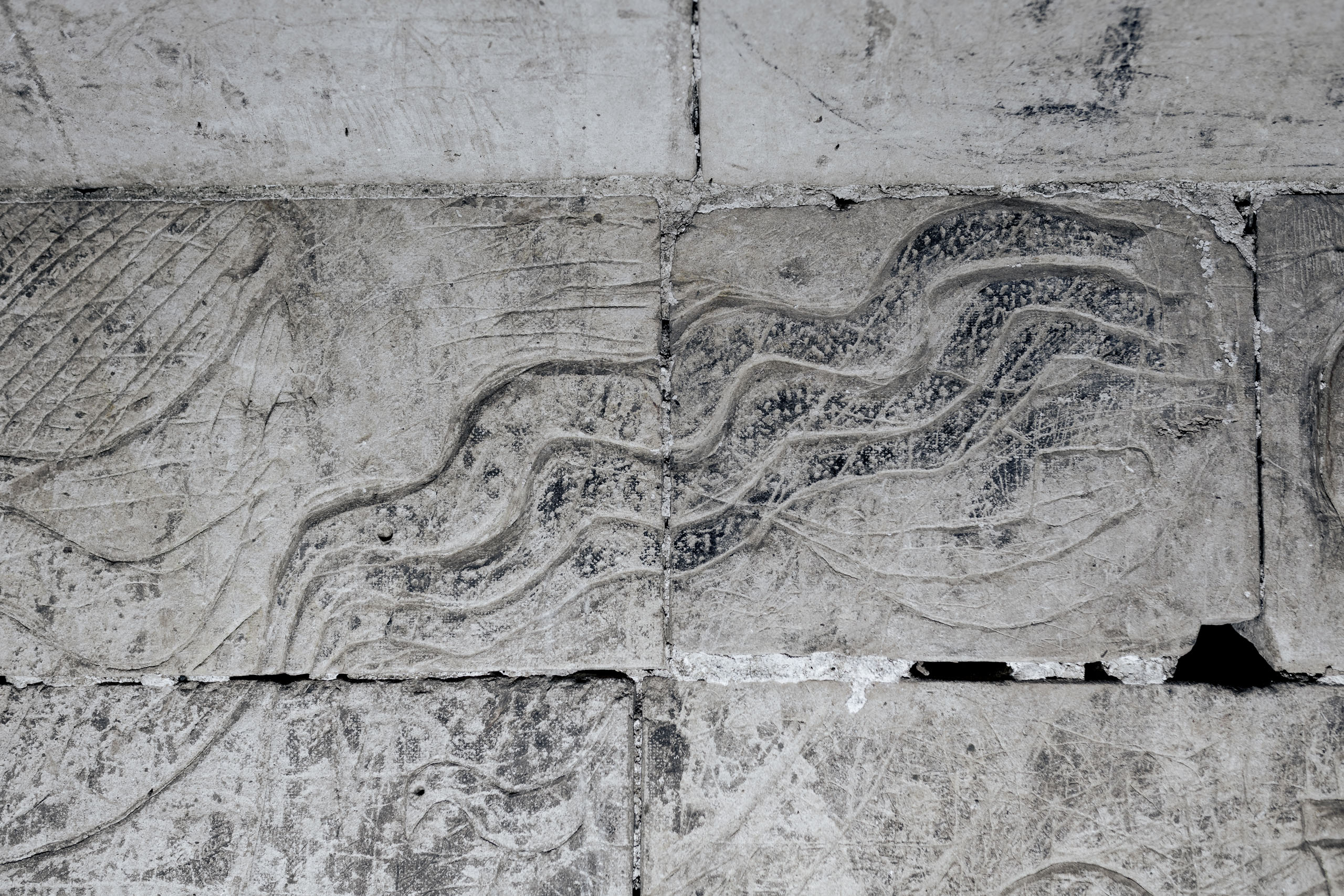
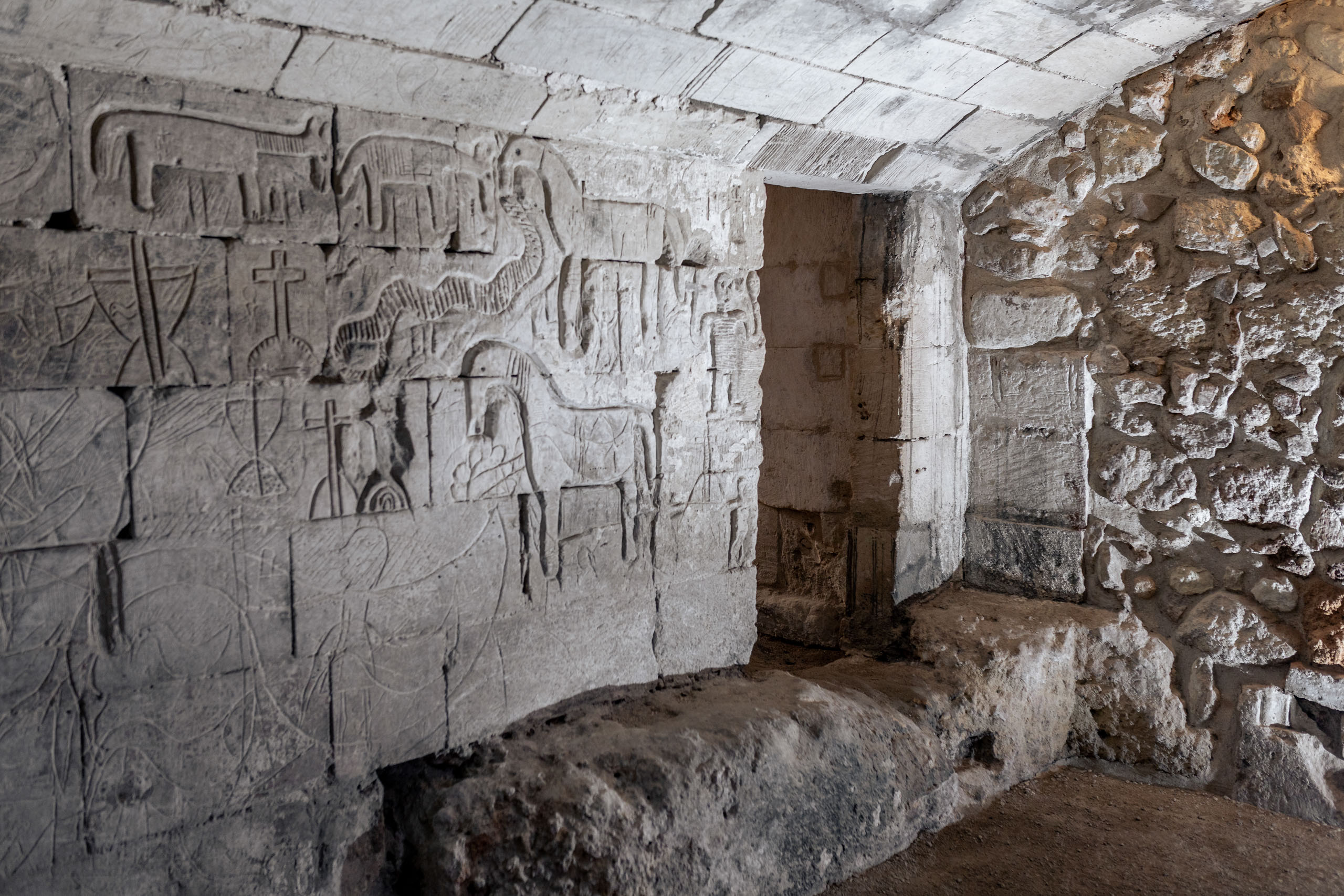
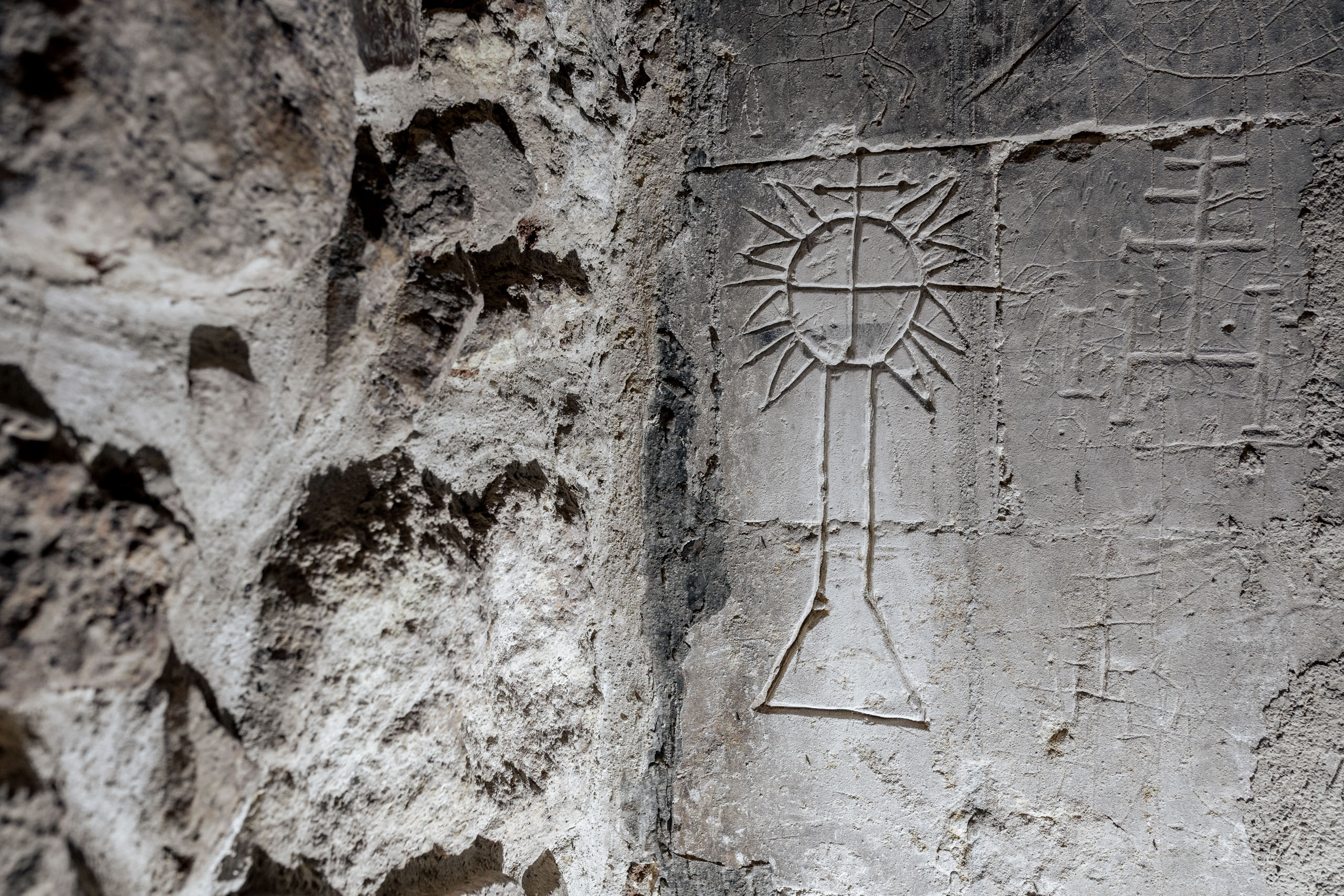
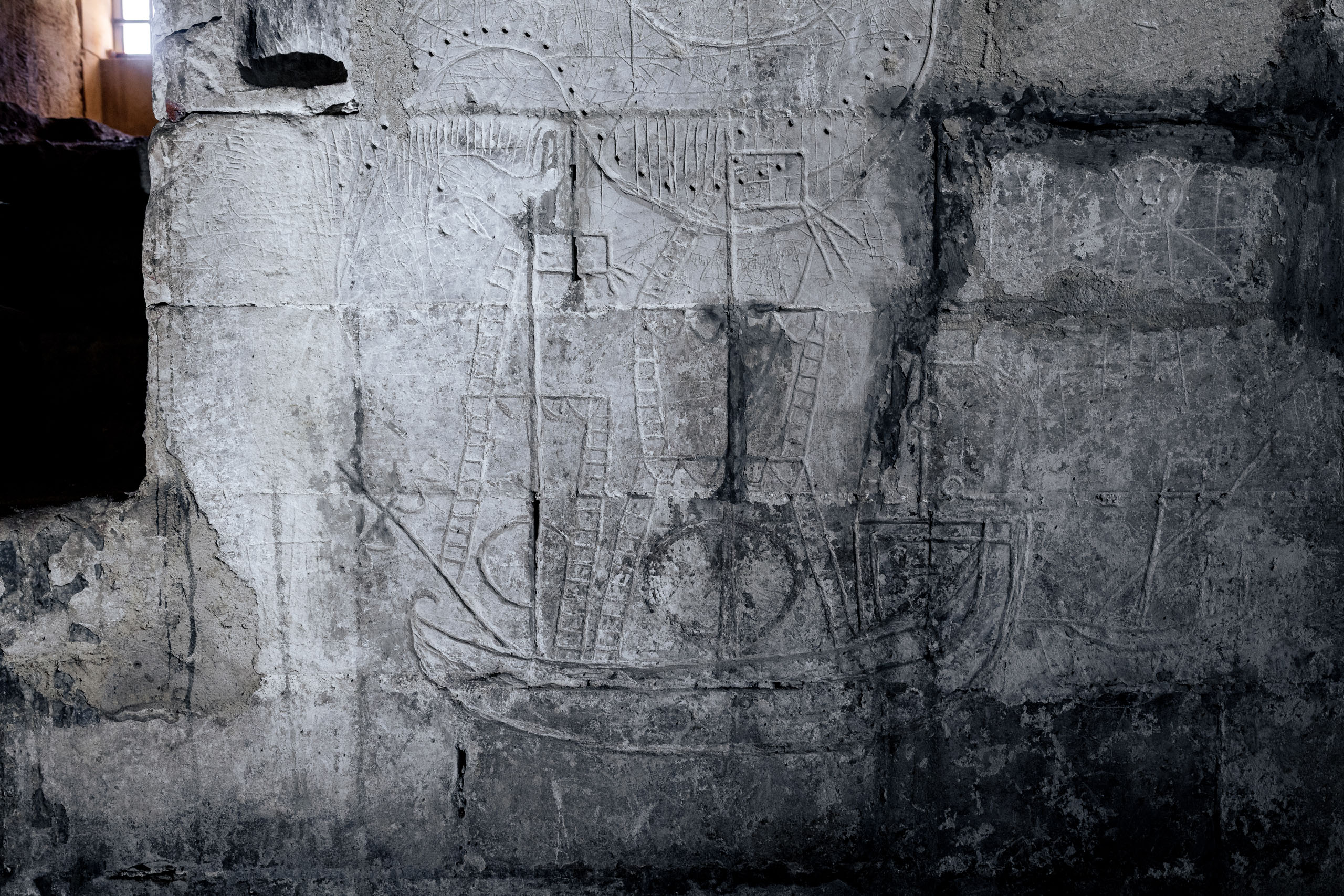
First a feudal castle, then a noble residence. The Protonobilissimo-de Monti coat of arms is visible on the façade. In the basement, a small room used as a prison, with graffiti and drawings left by prisoners. Today, the building houses the Messapian and Medieval Museum of Muro Leccese.
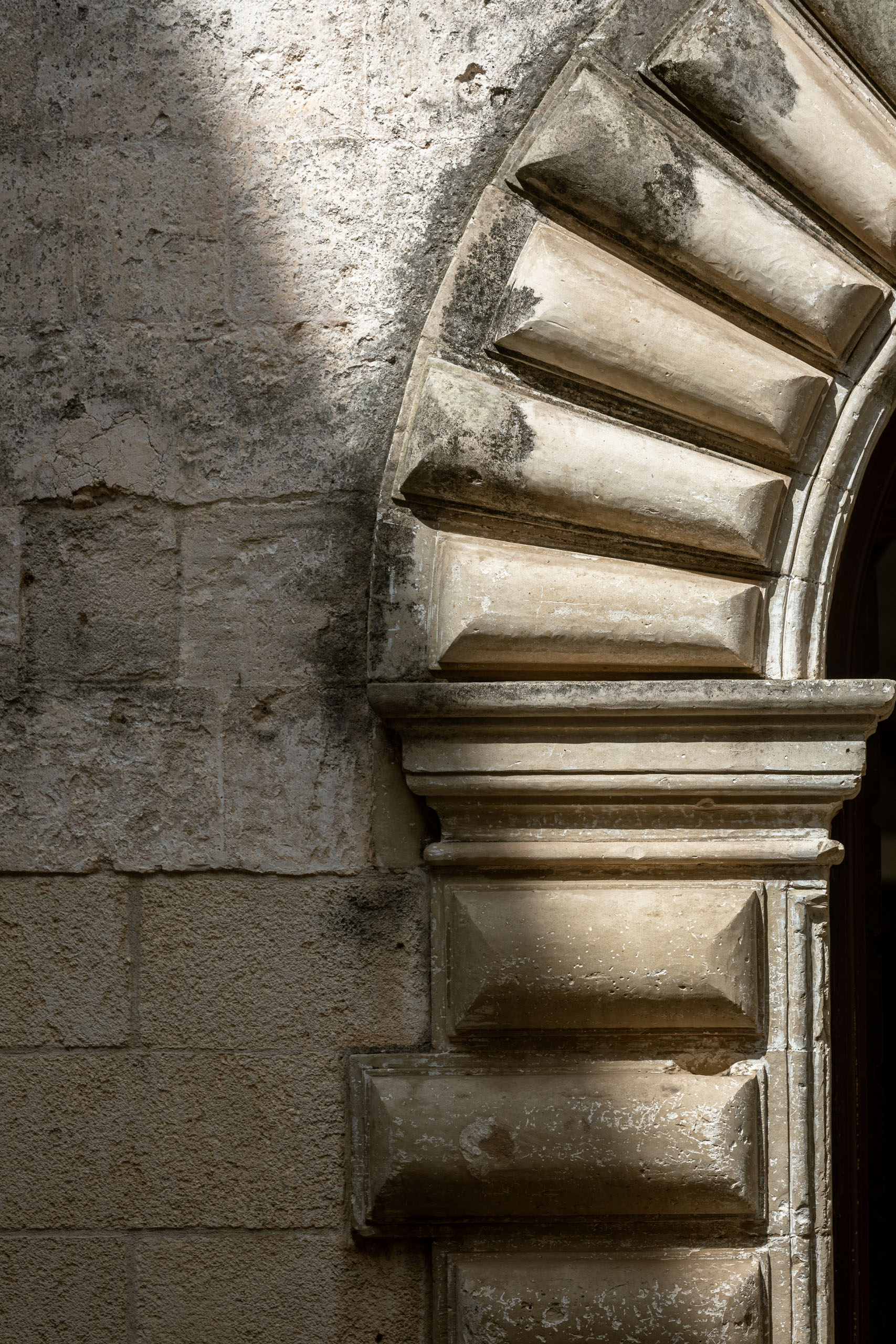
It is the Prince's Palace, looking out with quiet elegance onto Piazza del Popolo: a building that today appears as a refined noble residence, but which, stone by stone, continues to guard the memory of the medieval castle from which everything began. Pause for a moment before the façade. Look at that light. Observe the windows, the heraldic coat of arms, the severe yet harmonious rhythm of the masonry. Try to imagine what this place has been across the centuries: a defensive fortress, the centre of feudal power, an aristocratic residence, a space of economic control and today, a place of memory and knowledge. The Prince's Palace is not a simple historic building: it is the story of the birth and transformation of Muro Leccese itself.
Its history begins between the late fifteenth and early sixteenth centuries, when Borgo Terra was founded as the new fortified settlement built to gather the population from the small hamlets scattered across the land. In this context, the original nucleus of the palace was conceived as a feudal castle, probably built in the second half of the fifteenth century. It was a structure designed to defend and control: a rectangular building on three levels, with square towers at the corners, timber roofing and an upper walkway, perhaps crenellated. The lowest floor was partly underground, opening directly onto the moat that protected the borough. Even today, walking through the entrance hall and into the courtyard, you can read the traces of that defensive system. Archaeological investigations have recovered fragments of daily life: medieval glazed ceramics, fine majolica, everyday objects and imported materials that speak of the feudal family's prestige and the dynasty's commercial connections. Every find seems to suggest that this palace was not isolated, but deeply connected to the great currents of Mediterranean trade and culture.
With the passing of time, however, history changed its face. Military needs decreased, the moat was gradually filled in, and the castle began its slow transformation into a noble residence. Between the late sixteenth century and the early decades of the seventeenth century, the palace ceased to be merely a defensive stronghold and became a symbol of the prestige of the Protonobilissimo family, who ruled Muro Leccese for over three centuries. The main entrance was probably relocated, the façade extended and enriched, while the heraldic coat of arms celebrated the union between the Protonobilissimo and the de Monti of Corigliano, sealed by the marriage of Giovanni Francesco IV and Lucrezia de Monti before 1624. Later, under the Pignatelli family, who acquired the fief in 1797, the façade was further remodelled, taking on much of the elegant appearance that you still admire today.
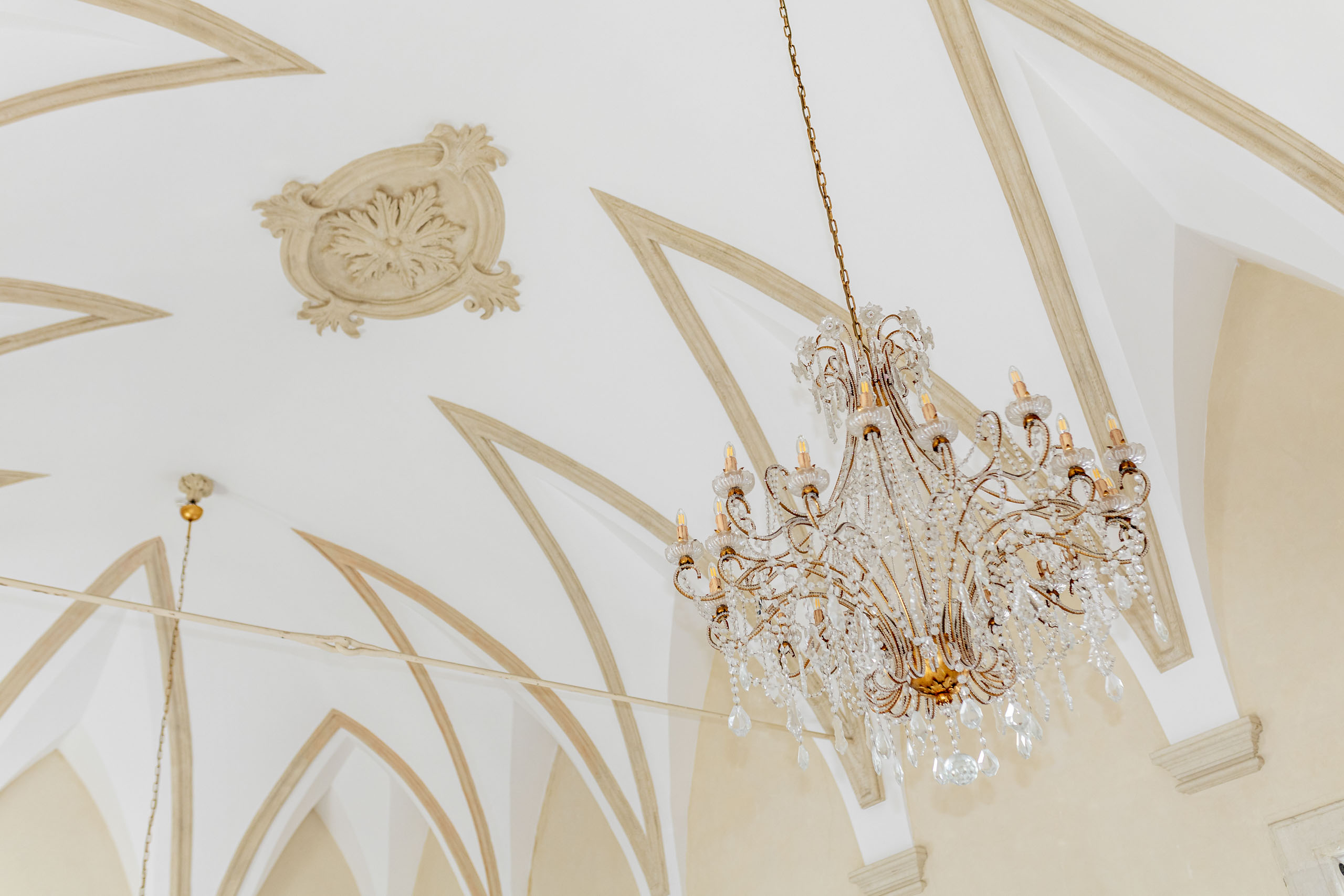
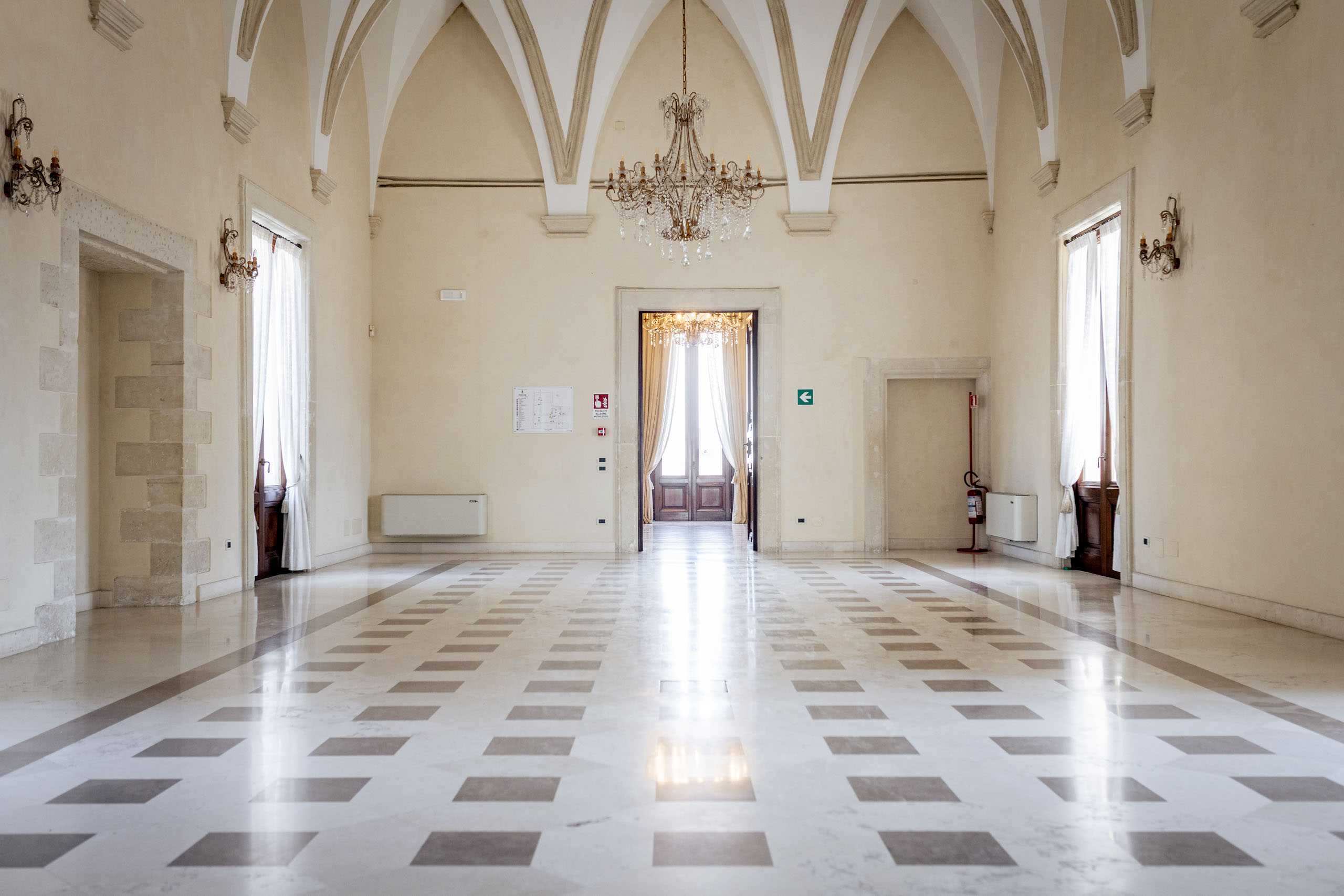
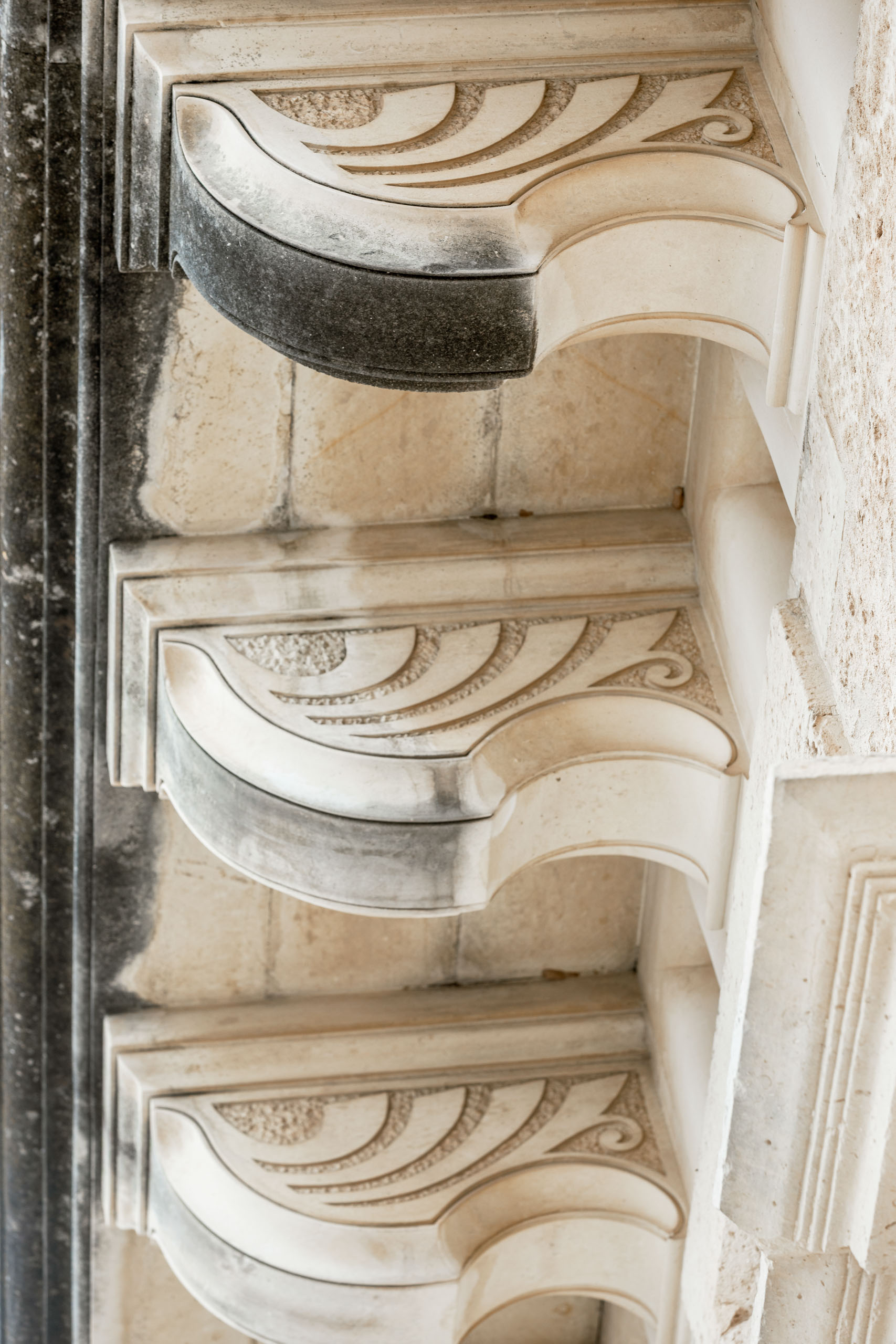
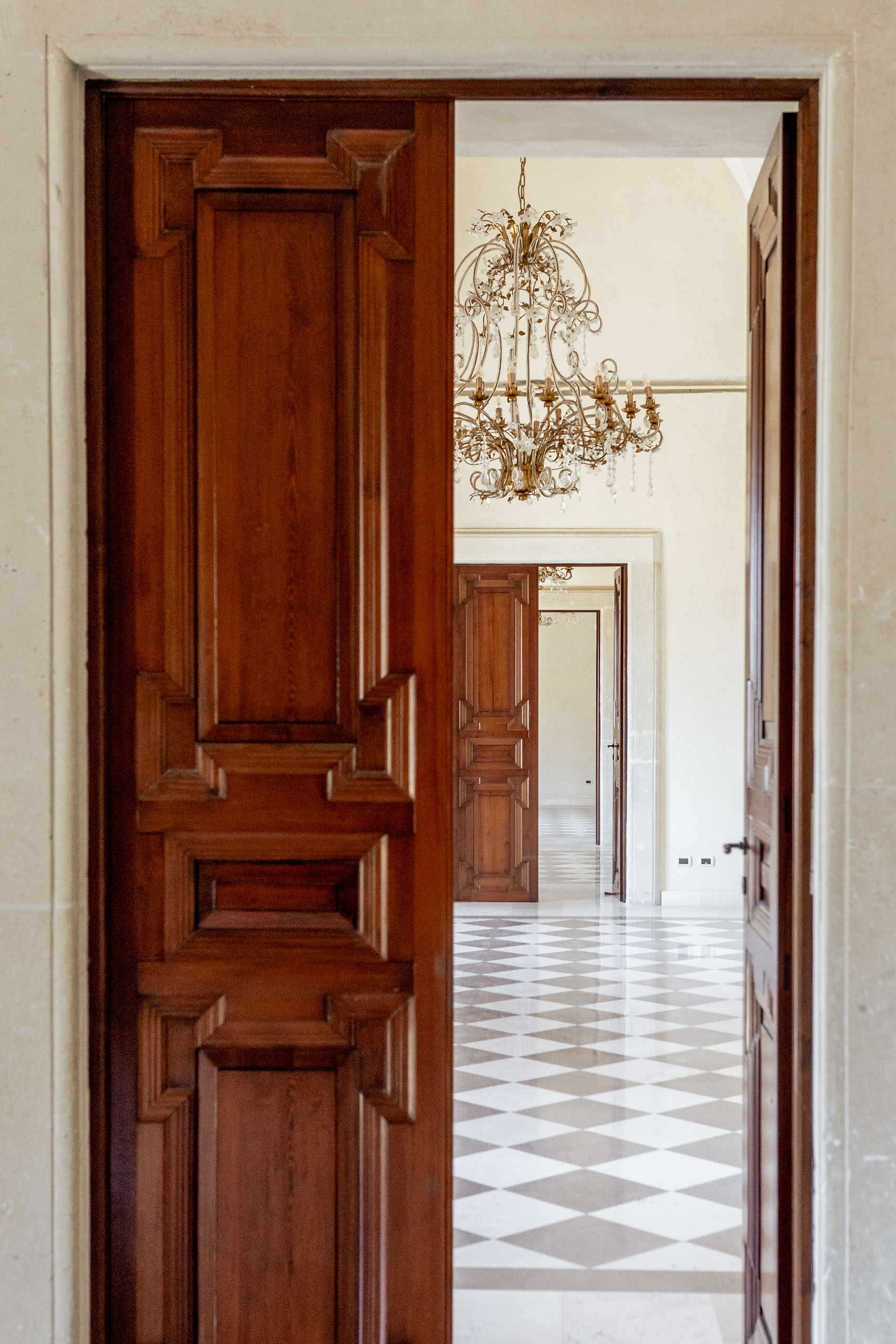
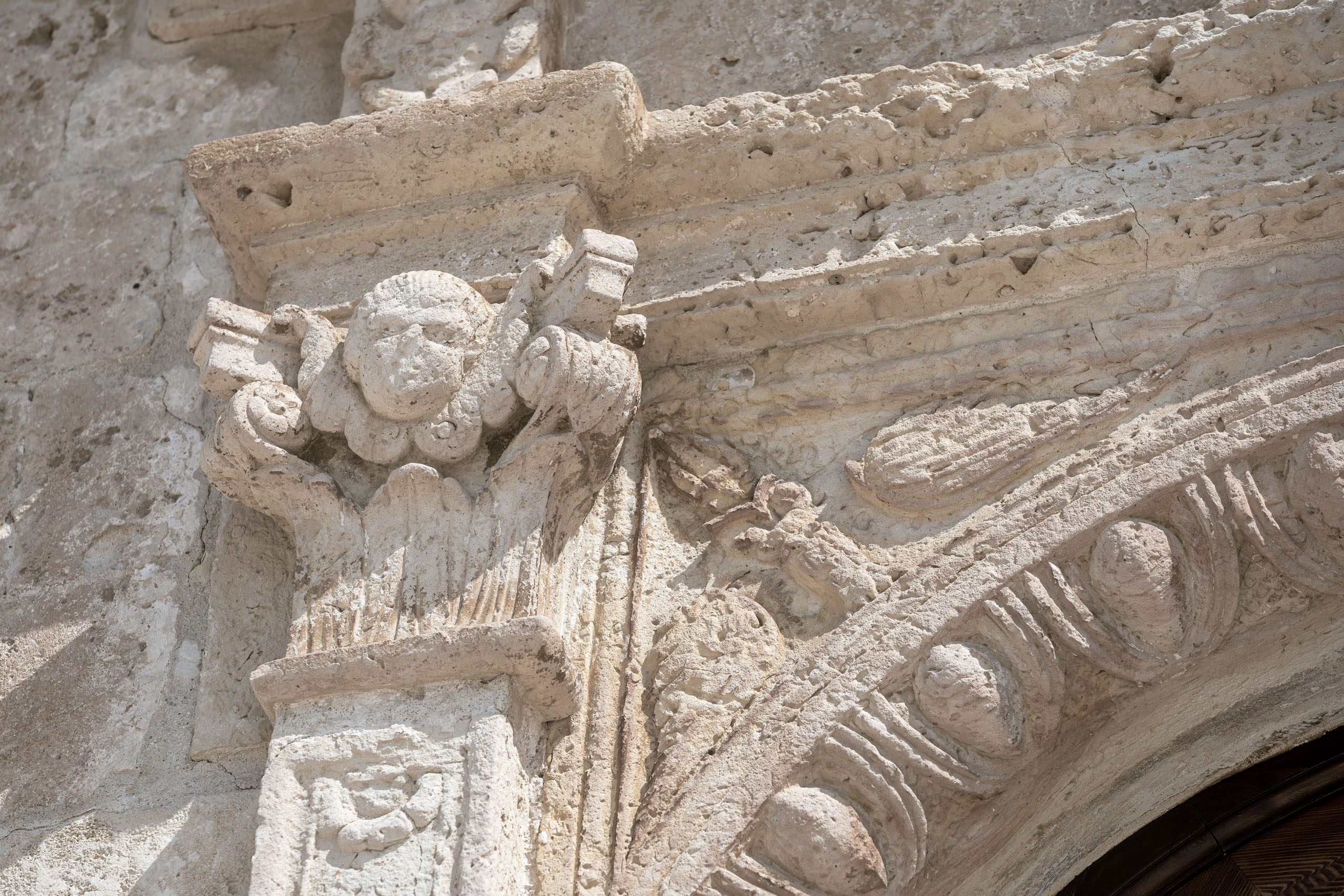
But it is inside that the Prince's Palace truly reveals its soul. The entrance hall still preserves the memory of the moat; the courtyard leads into a succession of rooms that recount the daily life of the feudal residence. On the ground floor, a monumental doorway bears the inscription PAX HVIC DOMVI and the date 1546, almost a wish for peace carved into stone nearly five centuries ago. A universal message. In the main hall, restored in a way that leaves the original fabric of the masonry visible, surprising details emerge, such as carved corbels bearing harpies, human faces and fantastical figures: enigmatic images, suspended between symbol, decoration and imagination, that convey all the cultivated and refined character of the residence. On the first floor, the palace shifts atmosphere once more. Here, the aristocratic world of the feudal family opens up: reception rooms, private chambers, service quarters connected to the kitchens by passages reserved for the household staff. The monumental staircase, still marked by the Protonobilissimo coat of arms, leads you into a daily life of ceremonies, encounters, domestic routine and power. Precious and almost intimate details survive: a fireplace dated 1759, a private latrine concealed in the bedchamber, seventeenth-century graffiti scratched near the access to the terrace. Small fragments of life that suddenly bring the inhabitants of the past very close.
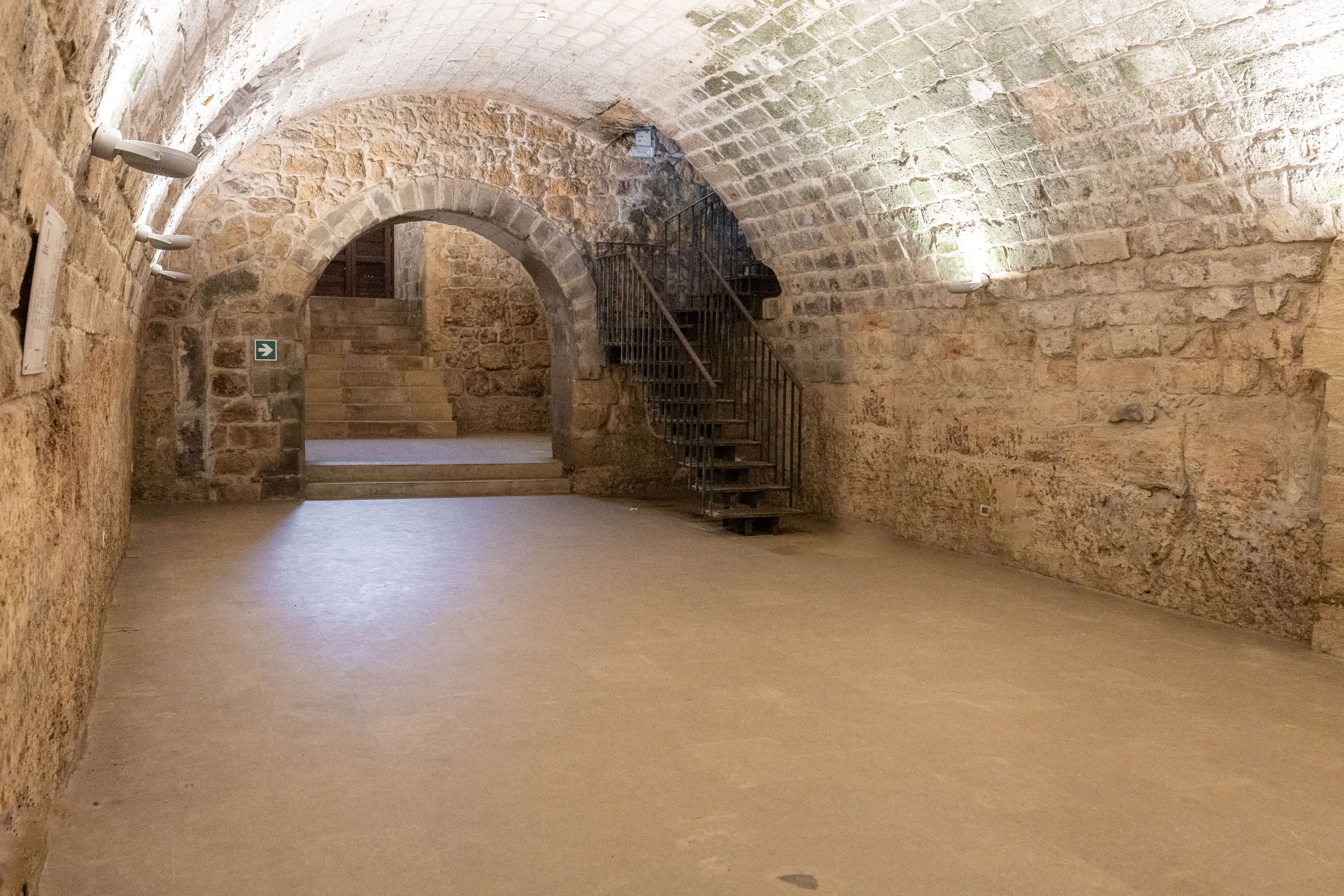
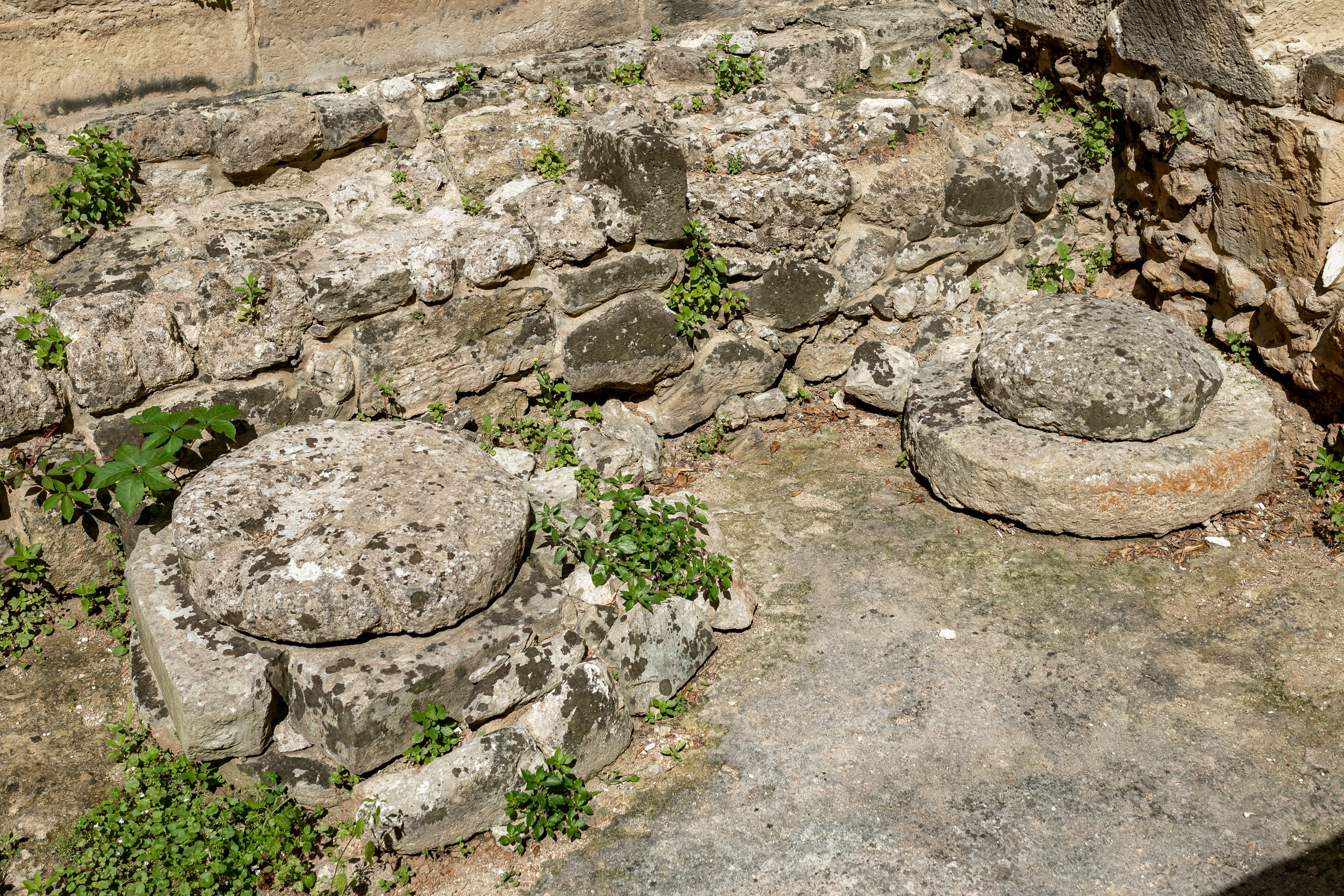
And then there are the underground chambers. Cool and silent spaces that speak of the economic life of the palace and its ties to local agriculture. Here stand great monolithic basins for the storage of olive oil, along with wells, cisterns and storerooms. The palace was not only a seat of political power, but also a centre for the management of resources and productive activities connected to the "green gold" of Salento.
Yet among all these spaces, one strikes you more than any other. It is a small, narrow, secluded room that in the sixteenth century may have housed a cannon, and that in the following century was converted into a prison: those walls held prisoners of whom today only names, marks and charcoal drawings remain. Looking at the walls, you can make out crosses, human figures, animals, religious symbols, a galley and even tally marks that seem to count the days of imprisonment. Forgotten names emerge: Fra Domenico Specchia, Paolo Lodovico, Antonio Maruccio. It is perhaps the most human and haunting space in the palace, where history ceases to be a monument and becomes the fragile voice of real lives. For centuries, the fate of Muro Leccese was intertwined with that of the Protonobilissimo, lords of the fief from 1438 to 1774. They shaped the urban face of the town, transformed the castle into a palace, and left deep traces in the civic and architectural life of the community. And around the family grew curious, almost legendary stories: it is said, for example, that after the discovery of America, the Princes of Muro were fond of walking with a turkey as a companion, as an exotic symbol of prestige and wonder.
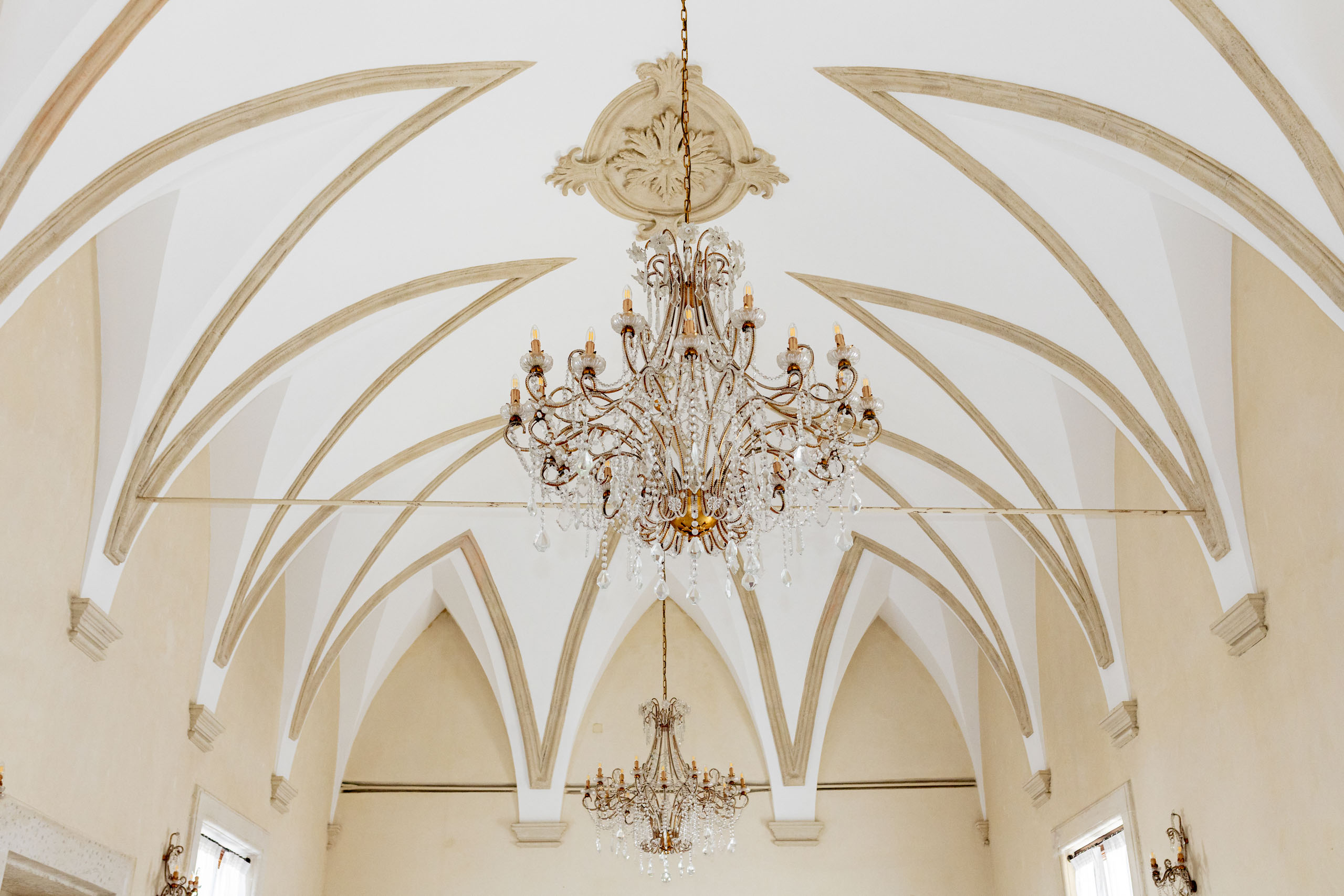
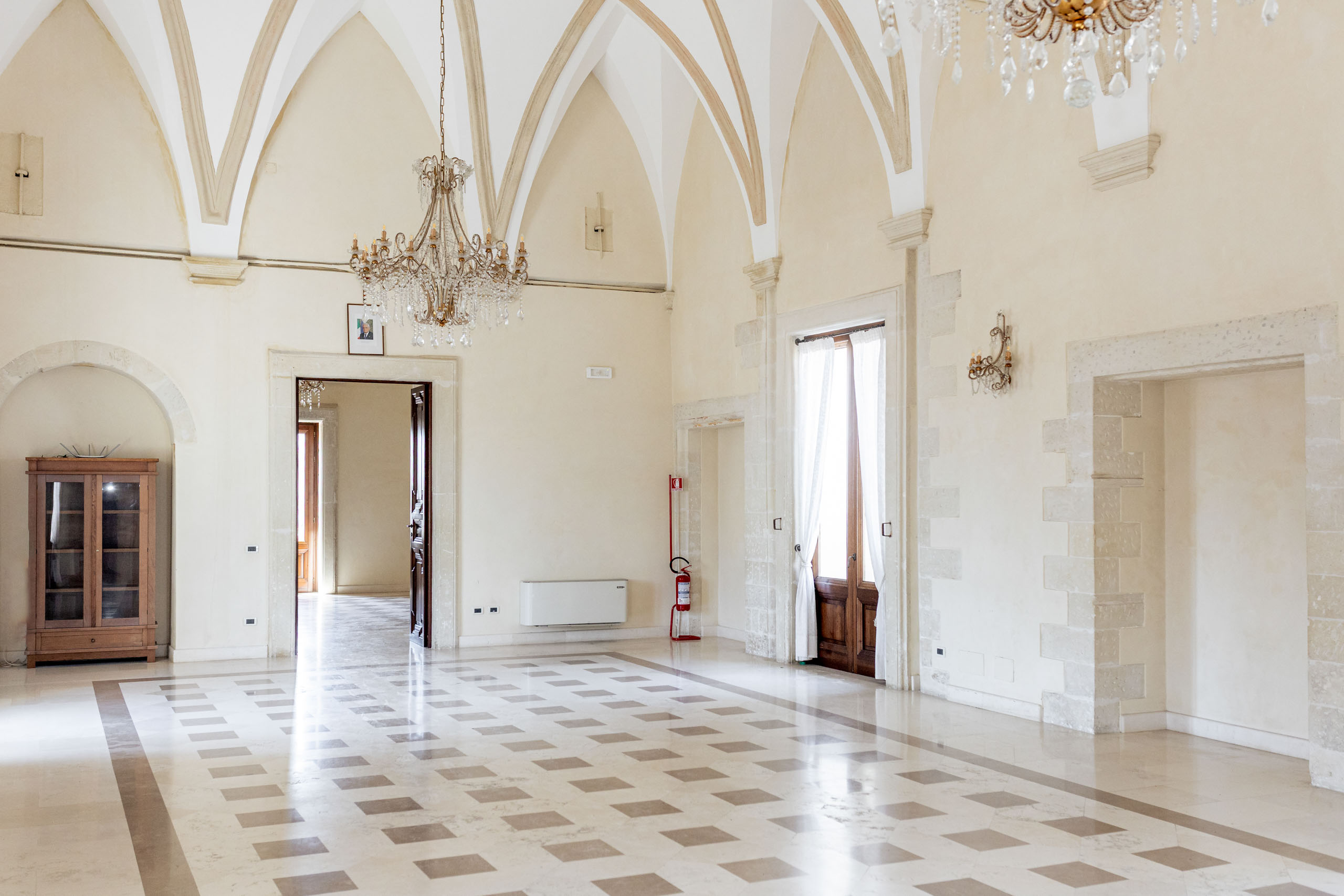
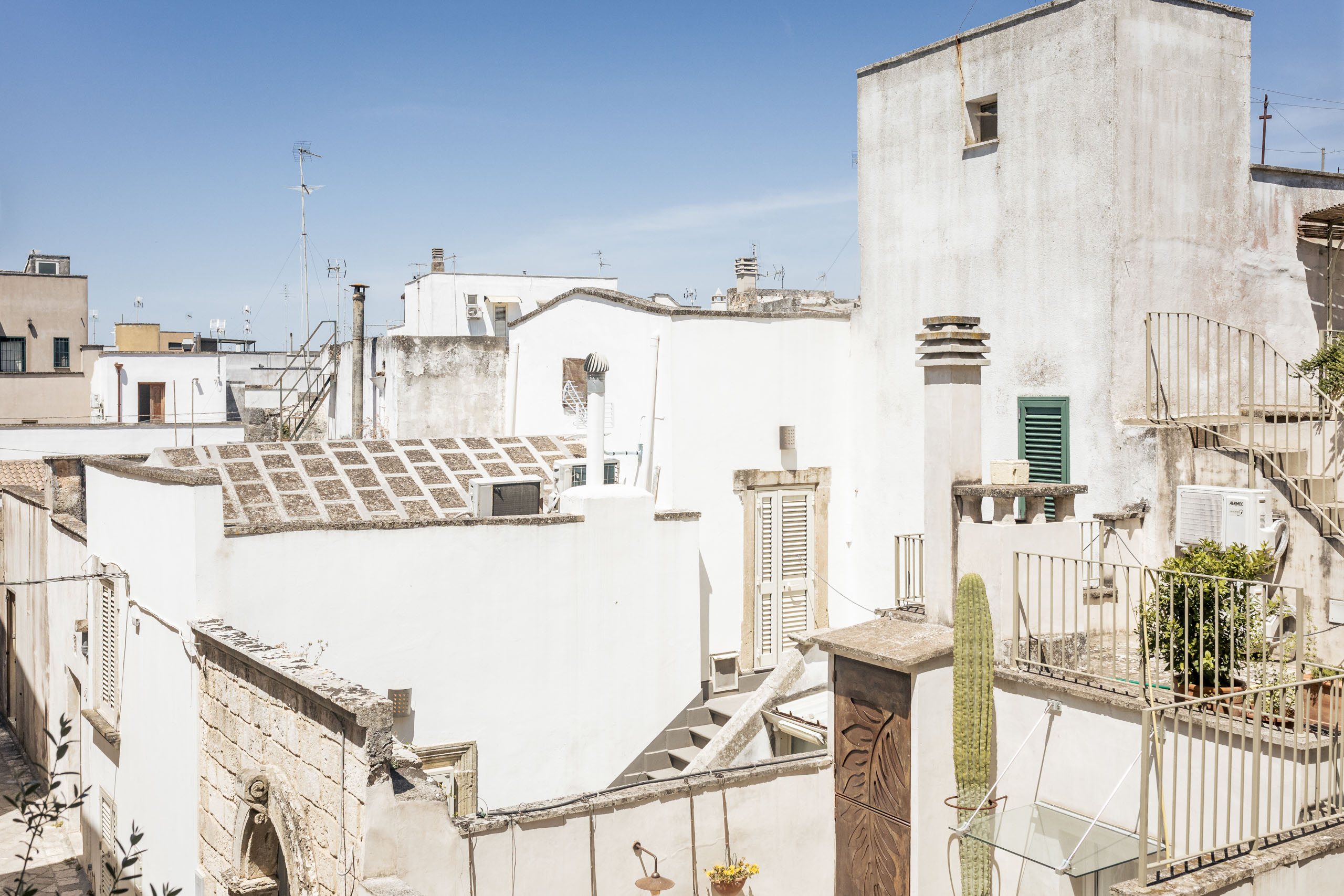
Today, the Prince's Palace continues to live as a place of storytelling and knowledge. Its rooms house the Messapic and Medieval Museum of Muro Leccese, where finds, archaeological structures and exhibition pathways guide you through centuries of history: from the Messapian city to the medieval borough, from the transformations of the castle to the daily life of the community. Walking through these rooms, you have the sense that nothing has truly been lost. Beneath the elegant palace, the medieval castle lives on. Beneath the courtyard, the moat resurfaces. Behind the noble coats of arms, the stories of soldiers, servants, prisoners, princes and travellers survive. The Prince's Palace does not simply show itself. It invites you inside history. Look at that stone. Look at that light.